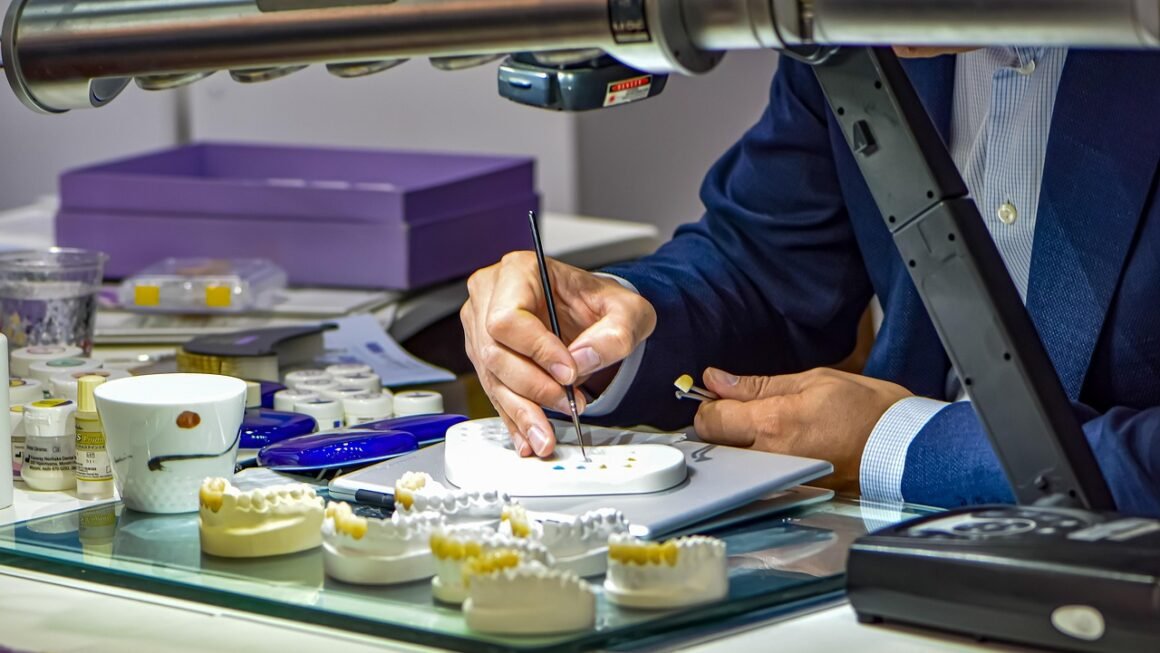
Achieving a brighter, whiter smile is a goal shared by many. From over-the-counter options to professional treatments, the world of teeth whitening offers a plethora of choices. But navigating this landscape can be confusing. This comprehensive guide will explore the various whitening effects, methods, and considerations to help you make informed decisions for your radiant smile.
Understanding Teeth Whitening: What Causes Discoloration?
Before diving into whitening options, it’s crucial to understand the root causes of teeth discoloration. Several factors contribute to teeth staining, impacting their natural brightness.
Intrinsic Stains
These stains originate from within the tooth structure and are often more challenging to remove.
- Causes:
Exposure to tetracycline antibiotics during tooth development (typically before age 8).
Excessive fluoride intake (fluorosis) during tooth formation.
Internal tooth trauma or decay.
Genetic conditions like dentinogenesis imperfecta and amelogenesis imperfecta.
- Treatment: Intrinsic stains often require professional whitening treatments, such as in-office bleaching or porcelain veneers, to achieve noticeable results.
Extrinsic Stains
Extrinsic stains develop on the outer surface of the tooth enamel and are typically easier to address.
- Causes:
Consumption of staining foods and beverages like coffee, tea, red wine, and berries.
Tobacco use (smoking or chewing).
Poor oral hygiene, leading to plaque and tartar buildup.
Certain medications, like liquid iron supplements.
- Treatment: Extrinsic stains can often be removed through regular brushing, flossing, and professional dental cleanings. Whitening toothpastes and over-the-counter whitening products can also be effective.
Age-Related Stains
Over time, the outer layer of enamel thins, revealing the yellowish dentin underneath. This natural aging process contributes to discoloration.
- Treatment: While age-related stains are inevitable, maintaining good oral hygiene and using whitening products can help minimize their appearance. Professional whitening treatments may also be beneficial.
Exploring Different Teeth Whitening Methods
The market offers diverse teeth whitening solutions, each with its own advantages and drawbacks. Understanding these options is key to choosing the right approach for your needs.
Over-the-Counter (OTC) Whitening Products
These readily available options are convenient and relatively affordable.
- Whitening Toothpastes: These toothpastes contain mild abrasives and chemical agents to remove surface stains. They generally lighten teeth by about one shade.
Example: Crest 3D White toothpaste.
Actionable Takeaway: Use regularly for maintenance, but don’t expect dramatic results for deeper stains.
- Whitening Strips: Thin, flexible strips coated with a peroxide-based gel.
Example: Crest 3D White Whitestrips.
Details: Applied directly to the teeth for a specified time, usually twice daily for a couple of weeks. Can lighten teeth by 1-2 shades.
- Whitening Gels: Applied with a brush or in custom trays.
Details: Vary in strength and application time. Some require overnight wear. Can cause sensitivity.
- Whitening Mouthwashes: Contain hydrogen peroxide or other whitening agents.
Details: Rinsed in the mouth for a short period. Less effective than other methods but can help maintain whitening results.
Professional Teeth Whitening
Performed by a dentist, these treatments offer the most dramatic and predictable results.
- In-Office Bleaching: Uses high-concentration hydrogen peroxide gel activated by a special light or laser.
Details: Typically achieves significant whitening in a single visit (approximately 1-2 hours). Protects gums and soft tissues during the procedure. Can lighten teeth by several shades.
Example: Zoom! Whitening, BriteSmile.
- Custom Tray Whitening: The dentist creates custom-fitted trays that you fill with a prescription-strength whitening gel and wear at home.
Details: Takes longer than in-office bleaching (usually several weeks) but offers more control over the whitening process. Less expensive than in-office bleaching.
Actionable Takeaway: Provides a good balance between effectiveness and cost.
- Laser Whitening: Similar to in-office bleaching but uses a laser to activate the whitening gel.
Details: May offer slightly faster results than traditional light-activated bleaching, but the difference is often minimal.
- Internal Bleaching: Used for non-vital (root canal treated) teeth that have become discolored from the inside.
Details: The whitening agent is placed inside the tooth and sealed. Requires multiple applications.
Managing Sensitivity and Side Effects
Teeth whitening can sometimes cause temporary side effects, such as tooth sensitivity and gum irritation. Understanding how to manage these issues is crucial for a comfortable experience.
Tooth Sensitivity
- Cause: Whitening agents can temporarily open the microscopic pores in the enamel, exposing the underlying dentin and nerve endings.
- Management:
Use desensitizing toothpaste (containing potassium nitrate or stannous fluoride) for a few weeks before, during, and after whitening.
Shorten the duration or frequency of whitening treatments.
Use lower concentrations of whitening agents.
Avoid very hot or cold foods and beverages.
Consult with your dentist about prescription-strength desensitizing agents.
Gum Irritation
- Cause: Whitening gels can irritate the gums if they come into contact with the soft tissues.
- Management:
Ensure that whitening trays fit properly and do not leak gel onto the gums.
Use cotton swabs to remove excess gel from the gums.
Rinse your mouth with warm salt water.
* Apply vitamin E oil to the irritated gums.
Other Considerations
- Avoid whitening if you have untreated cavities, gum disease, or exposed roots.
- Pregnant or breastfeeding women should avoid teeth whitening.
- Whitening will not change the color of fillings, crowns, or veneers.
Maintaining Your Whiter Smile
Achieving a whiter smile is an investment, and proper maintenance is essential to prolong the results.
Oral Hygiene Practices
- Brush your teeth twice daily with fluoride toothpaste.
- Floss daily to remove plaque and food particles.
- Use an antiseptic mouthwash.
- Schedule regular dental checkups and cleanings.
Lifestyle Adjustments
- Limit consumption of staining foods and beverages (coffee, tea, red wine, berries).
- Quit smoking or using tobacco products.
- Rinse your mouth with water after consuming staining substances.
Touch-Up Treatments
- Use whitening toothpaste or mouthwash for maintenance.
- Consider occasional touch-up treatments with whitening strips or custom trays.
- Schedule professional whitening touch-ups as needed.
Conclusion
Teeth whitening offers a range of options to brighten your smile, from convenient over-the-counter products to powerful professional treatments. Understanding the causes of discoloration, the different whitening methods available, and potential side effects is crucial for making informed decisions and achieving optimal results. By following proper oral hygiene practices and maintaining a healthy lifestyle, you can enjoy a whiter, more confident smile for years to come. Consult with your dentist to determine the best whitening approach for your individual needs and to ensure a safe and effective experience.