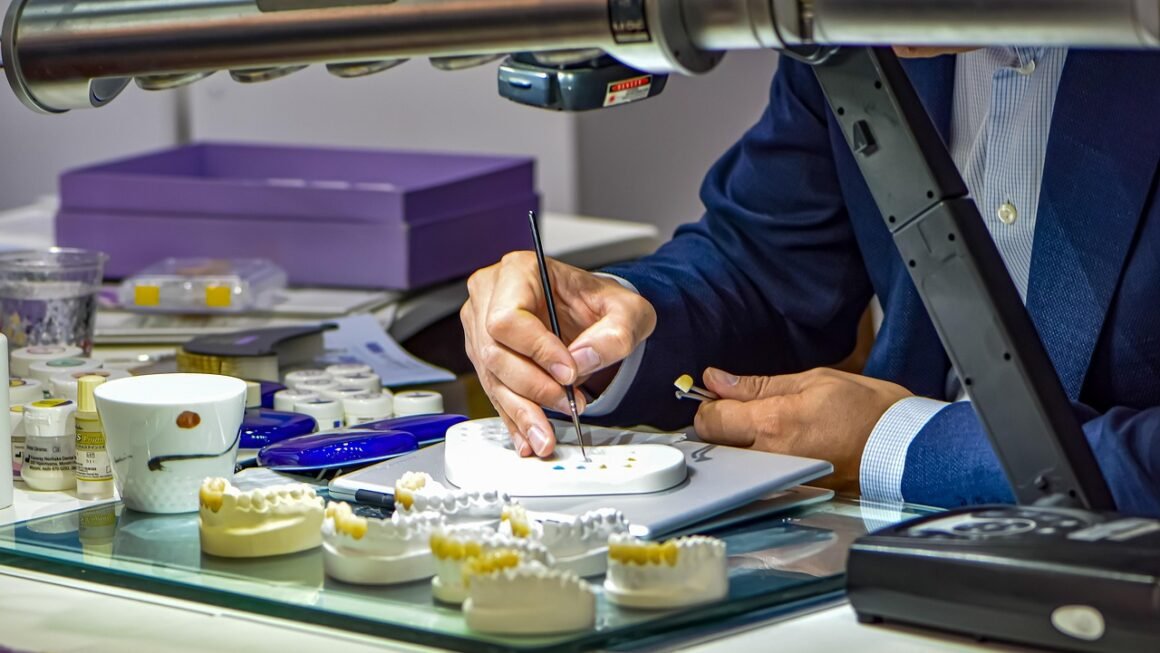
Achieving a brighter, whiter smile is a goal for many. Whether it’s to boost confidence or simply enhance your overall appearance, teeth whitening has become a popular and effective cosmetic dental procedure. But with so many options available, from over-the-counter products to professional treatments, it can be challenging to navigate the world of dental whitening systems. This comprehensive guide will help you understand the various methods, their pros and cons, and how to choose the best option for your needs.
Understanding Teeth Whitening
What Causes Tooth Discoloration?
Tooth discoloration can be caused by a variety of factors, both intrinsic and extrinsic. Understanding these causes is the first step in choosing the right whitening system.
- Extrinsic Stains: These are surface stains caused by external factors such as:
Food and drinks like coffee, tea, red wine, and berries.
Tobacco use (smoking or chewing).
Poor oral hygiene, leading to plaque and tartar buildup.
- Intrinsic Stains: These stains originate from within the tooth structure and are often more difficult to remove. They can be caused by:
Aging: As we age, the enamel thins, revealing the yellowish dentin underneath.
Certain medications: Tetracycline antibiotics, taken during tooth development, can cause permanent staining.
Dental trauma: Injury to a tooth can cause discoloration.
Excessive fluoride exposure (fluorosis): This can result in white spots or streaks on the teeth.
How Teeth Whitening Works
Most teeth whitening systems use hydrogen peroxide or carbamide peroxide as the active bleaching agent. These agents work by penetrating the enamel and oxidizing the stained molecules within the tooth.
- Hydrogen Peroxide: This is a stronger bleaching agent, typically used in professional treatments.
- Carbamide Peroxide: This breaks down into hydrogen peroxide, but it releases the bleaching agent more slowly, making it suitable for at-home treatments. The concentration of peroxide determines the speed and effectiveness of the whitening process.
Professional Teeth Whitening Options
In-Office Whitening
In-office whitening, performed by a dentist, offers the most dramatic and immediate results. It typically involves applying a high concentration of hydrogen peroxide to the teeth, often activated by a special light or laser. This process is carefully monitored to protect the gums and soft tissues.
- Example: Zoom! Whitening is a popular in-office system that uses a hydrogen peroxide gel activated by a blue LED light. A full treatment usually takes about one hour and can lighten teeth by several shades.
- Benefits:
Fast and noticeable results.
Supervised by a dental professional.
Protection of gums and soft tissues.
- Considerations:
Higher cost compared to at-home methods.
Potential for increased sensitivity.
Custom-Fitted Whitening Trays
Dentists can also provide custom-fitted whitening trays with prescription-strength whitening gel. These trays are made from impressions of your teeth, ensuring a snug and comfortable fit, which maximizes contact between the gel and the tooth surface.
- Example: A dentist takes impressions of your teeth to create custom trays. You then receive a supply of whitening gel with specific instructions on how long to wear the trays each day (usually 30 minutes to a few hours).
- Benefits:
More effective than over-the-counter trays due to the custom fit and higher concentration of whitening gel.
Can be used at home at your convenience.
Allows for maintenance and touch-up treatments.
- Considerations:
Requires an initial visit to the dentist for impressions.
Takes longer to see results compared to in-office whitening.
Over-the-Counter Teeth Whitening Products
Whitening Toothpastes
Whitening toothpastes contain mild abrasives and chemical agents that help remove surface stains. While they can improve tooth brightness to some extent, they don’t actually bleach the teeth.
- Example: Look for toothpastes that contain ingredients like hydrated silica or hydrogen peroxide.
- Benefits:
Affordable and readily available.
Easy to incorporate into your daily oral hygiene routine.
- Considerations:
Limited whitening effect.
May cause tooth sensitivity in some individuals.
Whitening Strips
Whitening strips are thin, flexible strips coated with a peroxide-based gel. They are applied directly to the teeth and worn for a specified period of time.
- Example: Crest 3D White Whitestrips are a popular brand.
- Benefits:
Relatively affordable and convenient.
Can produce noticeable results with consistent use.
- Considerations:
May not fit teeth perfectly, leading to uneven whitening.
Can cause tooth sensitivity and gum irritation.
Whitening Gels and Trays (OTC)
Over-the-counter whitening gels and trays are similar to those used by dentists, but the trays are not custom-fitted, and the concentration of peroxide is typically lower.
- Benefits:
More affordable than professional options.
Can provide better results than whitening toothpastes or strips.
- Considerations:
Ill-fitting trays can cause uneven whitening and gum irritation.
* Lower peroxide concentration means slower and less dramatic results.
Maintaining Your White Smile
Oral Hygiene Practices
Maintaining excellent oral hygiene is crucial for preserving your newly whitened smile.
- Brush your teeth at least twice a day with fluoride toothpaste.
- Floss daily to remove plaque and food particles from between your teeth.
- Use an antimicrobial mouthwash to kill bacteria and prevent staining.
Dietary Considerations
Be mindful of the foods and drinks that can stain your teeth.
- Limit your consumption of coffee, tea, red wine, and dark-colored sodas.
- Avoid tobacco products.
- Rinse your mouth with water after consuming staining foods or drinks.
Touch-Up Treatments
Teeth whitening is not permanent, and touch-up treatments may be necessary to maintain your desired shade.
- Consider using whitening strips or custom-fitted trays periodically to brighten your smile.
- Schedule regular dental cleanings to remove surface stains and maintain oral health.
Conclusion
Choosing the right dental whitening system depends on your individual needs, budget, and desired results. Professional in-office whitening offers the quickest and most dramatic results, while over-the-counter products provide more affordable and convenient options. Regardless of the method you choose, maintaining good oral hygiene and being mindful of staining foods and drinks are essential for preserving your bright, white smile. Consulting with your dentist is always recommended to determine the best whitening approach for your specific situation and ensure optimal results while minimizing potential side effects.