Your smile is often the first thing people notice. But what happens when a simple brush and floss routine isn’t enough to maintain its health and appearance? Major dental procedures might sound intimidating, but they are often necessary interventions to restore oral health, alleviate pain, and boost your confidence. This comprehensive guide will delve into the most common major dental procedures, providing you with valuable information to understand what they entail, why they’re performed, and what to expect.
Dental Implants: A Permanent Solution for Missing Teeth
Dental implants have revolutionized restorative dentistry, offering a long-lasting and natural-looking solution for missing teeth. Unlike dentures or bridges, implants are surgically anchored into the jawbone, providing stability and preventing bone loss.
What are Dental Implants?
A dental implant is essentially an artificial tooth root, typically made of biocompatible titanium. The implant is surgically placed into the jawbone, where it fuses with the bone through a process called osseointegration. Once the implant is stable, an abutment (connector) is attached, and a custom-made crown is placed on top, mimicking the appearance and function of a natural tooth.
Benefits of Dental Implants
Dental implants offer several significant advantages over other tooth replacement options:
- Long-lasting: With proper care, implants can last a lifetime.
- Natural Look and Feel: Implants look, feel, and function like natural teeth.
- Improved Speech: Unlike dentures, implants don’t slip or move, allowing for clear and confident speech.
- Enhanced Chewing Ability: Implants restore full chewing function, allowing you to enjoy all types of food.
- Prevention of Bone Loss: Implants stimulate the jawbone, preventing bone resorption that can occur with missing teeth.
- Improved Confidence: A complete smile can significantly boost self-esteem and confidence.
The Dental Implant Procedure
The dental implant process typically involves several stages:
- Example: If you are missing a molar due to decay or extraction, a dental implant can be placed to replace it. This prevents adjacent teeth from shifting, maintains proper bite alignment, and allows you to chew comfortably.
Root Canal Therapy: Saving Your Natural Tooth
Root canal therapy, often referred to as RCT, is a procedure used to treat infected or inflamed pulp (the soft tissue inside the tooth). While often associated with fear, modern root canal treatments are generally painless and highly effective in saving teeth that would otherwise require extraction.
Understanding the Need for Root Canal Therapy
The pulp contains nerves, blood vessels, and connective tissue. When the pulp becomes infected due to deep decay, cracks, or trauma, bacteria can enter and cause inflammation and pain. If left untreated, the infection can spread to the surrounding tissues and lead to an abscess.
The Root Canal Procedure
The root canal procedure involves the following steps:
Benefits of Root Canal Therapy
- Saves the Natural Tooth: Root canal therapy allows you to keep your natural tooth, which is always the best option.
- Relieves Pain: The procedure eliminates the source of pain and discomfort associated with an infected tooth.
- Prevents the Spread of Infection: Root canal therapy prevents the infection from spreading to surrounding tissues.
- Restores Chewing Function: A treated tooth can function normally, allowing you to eat comfortably.
- Aesthetically Pleasing: Saving your natural tooth helps maintain your smile’s natural appearance.
- Tip: After a root canal, avoid chewing hard foods on the treated tooth until it is protected with a crown. This will prevent fracture and ensure the long-term success of the treatment.
Crowns and Bridges: Restoring Damaged or Missing Teeth
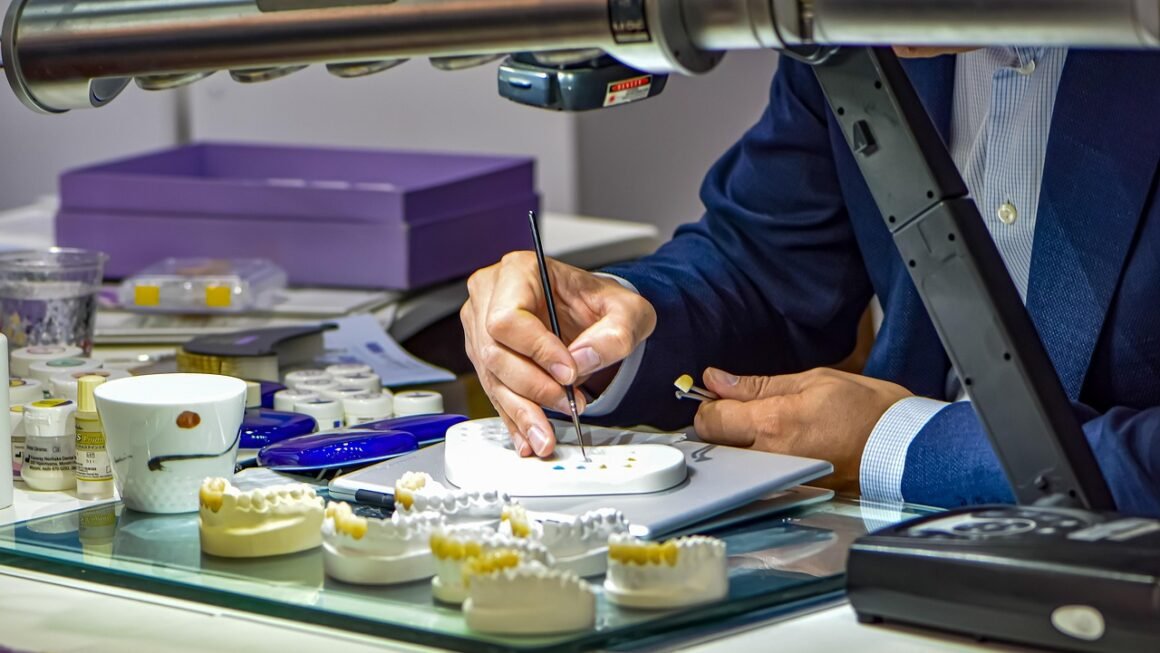
Crowns and bridges are restorative dental procedures used to repair damaged teeth or replace missing teeth, respectively. They are custom-made to fit your mouth and blend seamlessly with your natural teeth.
Dental Crowns: Protecting and Strengthening Teeth
A dental crown is a tooth-shaped cap that covers the entire visible portion of a tooth. Crowns are used to:
- Protect a weakened tooth from breaking or further decay.
- Restore a fractured tooth.
- Cover a tooth after root canal therapy.
- Improve the appearance of a discolored or misshapen tooth.
- Support a dental bridge.
Crowns can be made from various materials, including:
- Porcelain: Offers the most natural appearance and is highly biocompatible.
- Porcelain Fused to Metal (PFM): Provides a good balance of strength and aesthetics.
- Gold Alloys: Extremely durable and biocompatible, but less aesthetically pleasing.
- Zirconia: Exceptionally strong and aesthetically pleasing.
Dental Bridges: Filling the Gaps
A dental bridge is a fixed prosthetic device used to replace one or more missing teeth. It consists of a pontic (artificial tooth) that is anchored to adjacent teeth (abutment teeth) with crowns. Bridges help to:
- Restore your smile.
- Maintain proper bite alignment.
- Prevent adjacent teeth from shifting.
- Improve speech and chewing ability.
The Crown and Bridge Procedure
The process for getting a crown or bridge typically involves two visits:
- Example: If you have a severely decayed molar that cannot be restored with a filling, a crown can be placed to protect the tooth and restore its function. Similarly, if you are missing a tooth, a bridge can be used to fill the gap and prevent adjacent teeth from shifting.
Orthodontic Treatment: Straightening Teeth and Correcting Bite Issues
Orthodontic treatment, such as braces or aligners, is used to correct misaligned teeth and jaws. This can improve your smile’s appearance, enhance oral hygiene, and address bite issues that can lead to jaw pain and other problems.
Types of Orthodontic Treatment
- Traditional Braces: Consist of metal brackets bonded to the teeth and connected by wires.
- Ceramic Braces: Similar to metal braces but use tooth-colored brackets for a more discreet appearance.
- Lingual Braces: Placed on the inside of the teeth, making them virtually invisible.
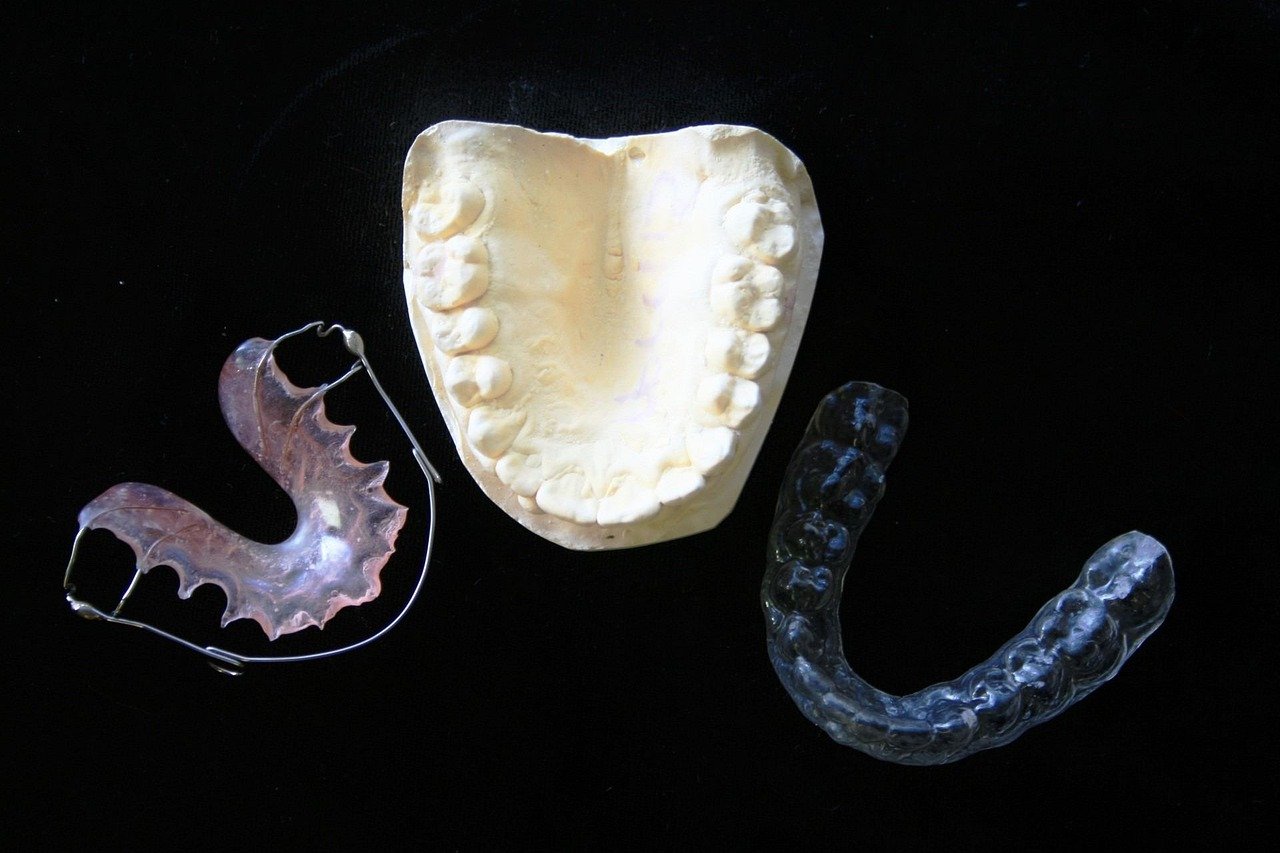
- Clear Aligners (e.g., Invisalign): Removable, transparent aligners that gradually shift the teeth into the desired position.
Benefits of Orthodontic Treatment
- Improved Smile Aesthetics: Straight teeth create a more attractive and confident smile.
- Enhanced Oral Hygiene: Straight teeth are easier to clean, reducing the risk of cavities and gum disease.
- Corrected Bite Issues: Orthodontic treatment can address overbites, underbites, crossbites, and open bites.
- Reduced Jaw Pain: Correcting bite issues can alleviate jaw pain and TMJ disorders.
- Improved Speech: In some cases, orthodontic treatment can improve speech problems caused by misaligned teeth.
The Orthodontic Treatment Process
The orthodontic treatment process typically involves:
- Tip: Maintain excellent oral hygiene during orthodontic treatment. Brush after every meal and floss daily to prevent plaque buildup and cavities. Use special floss threaders or interdental brushes to clean around brackets and wires.
Conclusion
Major dental procedures can seem daunting, but they play a crucial role in restoring oral health, alleviating pain, and improving your overall well-being. Understanding these procedures, their benefits, and what to expect can empower you to make informed decisions about your dental care. Remember to consult with your dentist or a specialist to determine the best treatment options for your specific needs. A healthy and beautiful smile is an investment that pays dividends in confidence, health, and quality of life.