Achieving a brighter, whiter smile is a common aspiration, contributing to increased confidence and a more youthful appearance. With numerous dental whitening options available, it’s essential to understand the different methods, their effectiveness, and potential risks to make an informed decision about your oral health. This guide provides a comprehensive overview of dental whitening, covering everything from in-office procedures to over-the-counter products, helping you navigate the world of teeth whitening and achieve the radiant smile you desire.
Understanding Dental Stains
Types of Stains
Dental stains are generally categorized into two main types: extrinsic and intrinsic. Understanding the difference is crucial for choosing the appropriate whitening method.
- Extrinsic Stains: These occur on the surface of the teeth and are caused by external factors such as:
Foods and drinks like coffee, tea, red wine, and berries.
Tobacco use (smoking or chewing).
Poor oral hygiene.
- Intrinsic Stains: These stains are incorporated into the tooth structure and are more difficult to remove. They can be caused by:
Certain medications (e.g., tetracycline antibiotics).
Fluoride overexposure (fluorosis).
Trauma to the teeth.
Age-related changes.
Diagnosing the Cause
A dentist can accurately diagnose the type of staining and recommend the most effective whitening treatment. For example, extrinsic stains often respond well to professional cleaning and over-the-counter whitening products, while intrinsic stains may require more aggressive treatments like professional bleaching or veneers.
Professional Dental Whitening
In-Office Whitening
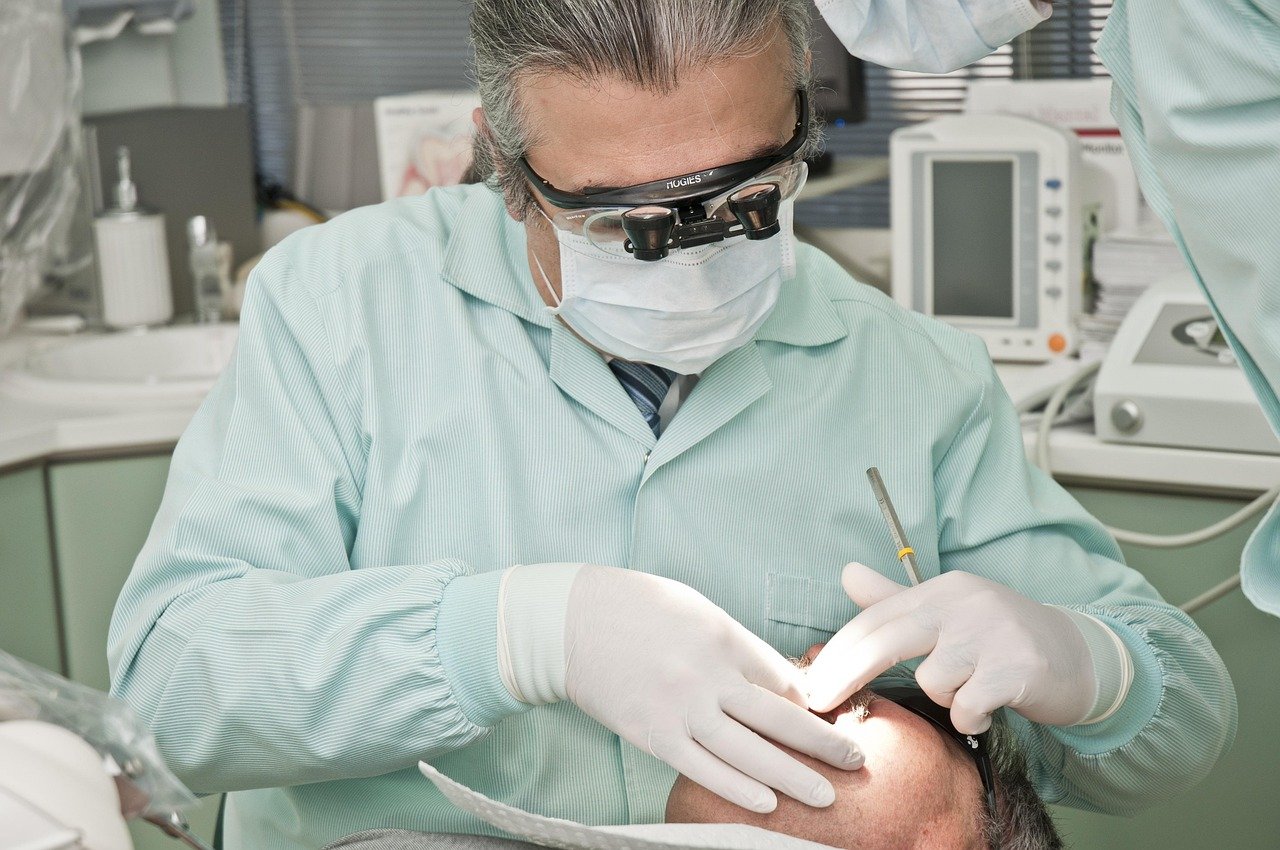
In-office whitening, also known as chair-side bleaching, is performed by a dental professional and offers the most dramatic and immediate results.
- Procedure: The dentist applies a high-concentration hydrogen peroxide gel to the teeth, often activated by a special light or laser. The gums are protected with a barrier to prevent irritation.
- Benefits:
Significant whitening in a single visit (typically 1-2 hours).
Supervised by a dental professional, ensuring safety and effectiveness.
Customized treatment based on individual needs and sensitivity levels.
- Example: A patient with moderate extrinsic staining from coffee and tea consumption could see a significant improvement (several shades lighter) after a single in-office whitening session.
Take-Home Whitening Kits (Prescription Strength)
These kits are dispensed by your dentist and contain custom-fitted trays and a prescription-strength whitening gel.
- Procedure: The patient applies the gel to the trays and wears them for a specified amount of time each day, typically for a few weeks.
- Benefits:
More gradual whitening process, which can reduce sensitivity.
Custom-fitted trays ensure even coverage and minimize gum irritation.
Supervised by a dentist, with regular check-ups to monitor progress.
- Example: If a patient experiences sensitivity during in-office whitening, a dentist might recommend a take-home kit with a lower concentration of peroxide to minimize discomfort.
Over-the-Counter (OTC) Whitening Products
Whitening Toothpastes
These toothpastes contain mild abrasives and chemicals to remove surface stains.
- How They Work: They gently polish the teeth and contain ingredients like hydrogen peroxide or carbamide peroxide in low concentrations.
- Benefits:
Affordable and readily available.
Effective for removing superficial stains.
Easy to incorporate into your daily oral hygiene routine.
- Limitations:
Limited whitening effect compared to professional treatments.
Can be abrasive if used excessively.
- Practical Tip: Look for toothpastes with the ADA Seal of Acceptance to ensure safety and effectiveness.
Whitening Strips
These thin, flexible strips are coated with a whitening gel and are applied directly to the teeth.
- How They Work: The gel contains hydrogen peroxide or carbamide peroxide that penetrates the enamel to break down stains.
- Benefits:
Convenient and easy to use.
More effective than whitening toothpastes.
Relatively affordable.
- Limitations:
May cause sensitivity.
Can be difficult to achieve even coverage, especially in hard-to-reach areas.
Results vary depending on the concentration of the whitening agent.
- Statistic: Studies show that whitening strips can lighten teeth by 1-2 shades after several weeks of use.
Whitening Gels and Rinses
These products contain hydrogen peroxide and are applied directly to the teeth or used as a mouth rinse.
- How They Work: The peroxide oxidizes the stains on the teeth. Gels are often applied with a brush, while rinses are swished in the mouth.
- Benefits:
Easy to incorporate into your oral hygiene routine.
Can reach areas that strips might miss.
- Limitations:
Lower concentration of whitening agents compared to professional treatments.
Requires consistent use to see results.
Maintaining Your Whitened Smile
Oral Hygiene Practices
- Brush Regularly: Brush your teeth at least twice a day with fluoride toothpaste to remove plaque and prevent stain buildup.
- Floss Daily: Flossing helps remove food particles and plaque from between your teeth and along the gum line.
- Rinse with Mouthwash: Use an antiseptic mouthwash to kill bacteria and freshen your breath.
Dietary Considerations
- Limit Stain-Causing Foods and Drinks: Reduce your consumption of coffee, tea, red wine, berries, and other foods and beverages that can stain your teeth.
* Example: If you enjoy coffee, try drinking it through a straw to minimize contact with your teeth.
- Stay Hydrated: Drinking plenty of water helps wash away food particles and keeps your mouth hydrated, which can prevent staining.
Touch-Up Treatments
- Regular Touch-Ups: Consider using whitening toothpastes or over-the-counter whitening products periodically to maintain your results.
- Professional Maintenance: Schedule regular dental cleanings to remove surface stains and keep your teeth looking their best. Your dentist can also provide professional touch-up treatments as needed.
Conclusion
Dental whitening offers a range of options for achieving a brighter, more confident smile. From professional in-office treatments to convenient over-the-counter products, there’s a solution to fit every need and budget. Understanding the different types of stains, the methods available, and the importance of maintenance can help you make an informed decision and enjoy long-lasting results. Always consult with your dentist to determine the best whitening approach for your specific dental health and aesthetic goals. Remember that consistent oral hygiene practices and mindful dietary choices are essential for preserving your newly whitened smile.