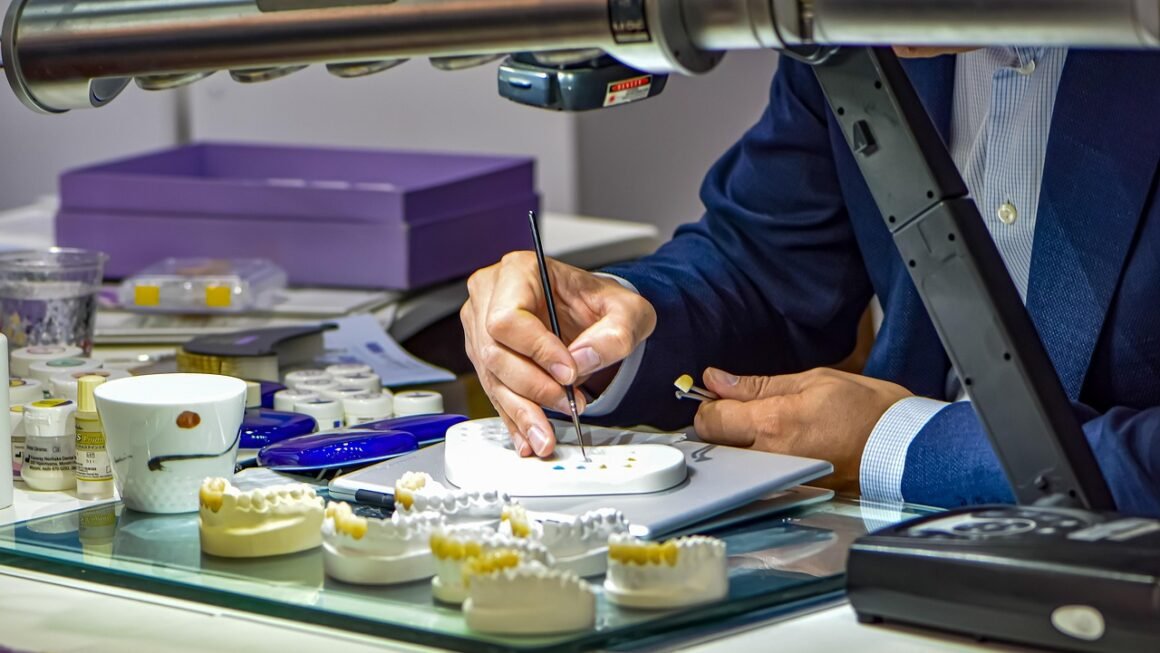
Achieving a dazzling, confident smile is a desire shared by many. A bright, white smile can significantly enhance your appearance, boost your self-esteem, and make a lasting positive impression. Thankfully, professional dental whitening offers a safe and effective way to transform your smile, removing years of stains and discoloration. But with so many options available, how do you navigate the world of teeth whitening to find the best solution for you? This comprehensive guide will explore the different methods, benefits, and considerations involved in achieving your brightest smile yet.
Understanding Dental Whitening
Dental whitening, also known as teeth bleaching, is a cosmetic dental procedure designed to lighten the shade of your teeth. It works by using bleaching agents, typically hydrogen peroxide or carbamide peroxide, to break down stains and discoloration on the enamel surface. While whitening toothpastes can help remove surface stains, professional dental whitening penetrates deeper to deliver more dramatic and longer-lasting results.
Types of Tooth Stains
Understanding the type of stain you have is crucial for choosing the right whitening treatment. Tooth stains are broadly classified into two categories:
- Extrinsic Stains: These are surface stains caused by external factors like:
Food and drinks (coffee, tea, red wine, berries)
Tobacco use (smoking or chewing)
Poor oral hygiene
- Intrinsic Stains: These stains originate from within the tooth and are more difficult to remove. They can be caused by:
Certain medications (tetracycline) taken during tooth development
Excessive fluoride exposure (fluorosis)
Dental trauma or injury
Aging
Professional vs. Over-the-Counter Whitening
While over-the-counter (OTC) whitening products like strips and toothpastes are readily available, they often contain lower concentrations of bleaching agents and may not be as effective as professional treatments. Professional dental whitening offers several advantages:
- Higher Concentration of Bleaching Agents: Dentists can use stronger bleaching solutions, resulting in faster and more noticeable results.
- Customized Treatment: Dentists can tailor the treatment to your specific needs and sensitivity levels.
- Protection of Soft Tissues: Dentists can use barriers to protect your gums and other soft tissues from irritation.
- Supervision and Monitoring: Dentists can monitor the progress of your treatment and address any potential concerns.
- Actionable Takeaway: Determine the type of stains you have and consult with your dentist to understand the best whitening approach for your individual needs. Consider the advantages of professional whitening for more effective and personalized results.
In-Office Whitening Treatments
In-office whitening treatments are performed by a dental professional in a controlled environment, offering the most dramatic and immediate results. These treatments typically involve the application of a high-concentration bleaching gel to the teeth, often activated by a special light or laser.
The Procedure Explained
During an in-office whitening procedure, the dentist will:
The entire procedure typically takes between 60 to 90 minutes, and you can expect to see a significant difference in the whiteness of your teeth immediately.
Benefits of In-Office Whitening
- Fast and noticeable results: See a dramatic difference in just one appointment.
- Controlled environment: Minimizes the risk of sensitivity or irritation.
- Professional supervision: Ensures safe and effective treatment.
- Example: A patient with moderate staining from coffee and tea consumption chose in-office whitening and saw their teeth lighten by several shades in a single session. They experienced minimal sensitivity and were thrilled with the immediate results.
- Actionable Takeaway: Consider in-office whitening if you need fast and significant results and prefer a dentist-supervised treatment.
At-Home Whitening Options
For those seeking a more gradual approach or a more affordable option, at-home whitening treatments prescribed by your dentist are an excellent choice. These involve custom-made trays and professional-strength whitening gels.
Custom Trays and Whitening Gels
Your dentist will take impressions of your teeth to create custom-fitted trays. These trays are designed to hold the whitening gel securely against your teeth, maximizing contact and minimizing leakage. You will then receive instructions on how to apply the gel to the trays and wear them for a specific amount of time each day, typically for a couple of hours or overnight.
Benefits of At-Home Whitening
- Customized fit: Trays are made to fit your teeth perfectly, ensuring even whitening.
- Convenience: You can whiten your teeth in the comfort of your own home.
- Gradual results: Allows for more control over the whitening process and reduces the risk of sensitivity.
- Cost-effective: Generally more affordable than in-office treatments.
- Example: A patient with mild staining and some sensitivity chose at-home whitening. They wore their custom trays with whitening gel for an hour each evening for two weeks, achieving a noticeable improvement in their tooth shade with minimal discomfort.
- Actionable Takeaway: Opt for at-home whitening if you prefer a gradual approach, want more control over the whitening process, and are comfortable wearing custom trays.
Managing Tooth Sensitivity
Tooth sensitivity is a common side effect of dental whitening. It occurs when the bleaching agents penetrate the enamel and irritate the nerve endings within the tooth. However, there are several ways to manage and minimize sensitivity.
Tips to Reduce Sensitivity
- Use desensitizing toothpaste: These toothpastes contain ingredients like potassium nitrate that help block pain signals.
- Reduce whitening frequency: If you experience sensitivity, decrease the amount of time you wear the trays or the frequency of treatments.
- Use fluoride treatments: Fluoride can help strengthen enamel and reduce sensitivity.
- Consult your dentist: Your dentist can recommend specific products or techniques to manage sensitivity.
- Consider a lower concentration of whitening gel: Speak with your dentist about using a lower strength gel.
- Statistics: According to the American Dental Association, approximately two-thirds of people experience some degree of tooth sensitivity after whitening treatments.
- Actionable Takeaway: Prioritize managing potential tooth sensitivity by using desensitizing products, adjusting the treatment frequency, and consulting with your dentist.
Maintaining Your Whitened Smile
Once you’ve achieved your desired shade, it’s essential to maintain your results. Proper oral hygiene and lifestyle choices can help prolong the whiteness of your teeth.
Tips for Long-Lasting Results
- Practice good oral hygiene: Brush and floss your teeth regularly to remove plaque and surface stains.
- Limit staining foods and drinks: Reduce your consumption of coffee, tea, red wine, and other staining substances.
- Use a whitening toothpaste: These toothpastes can help remove surface stains and keep your teeth looking bright.
- Schedule regular dental cleanings: Professional cleanings can remove stubborn stains and plaque buildup.
- Consider touch-up treatments: Your dentist may recommend periodic touch-up treatments to maintain your desired shade.
- Example: A patient who underwent in-office whitening followed up with at-home touch-up treatments every six months and diligently avoided staining foods and drinks. They were able to maintain their bright, white smile for several years.
- Actionable Takeaway: Implement a consistent oral hygiene routine, limit staining substances, and schedule regular dental visits for touch-up treatments to maintain your bright, white smile.
Conclusion
Achieving a brighter, whiter smile is possible with the right approach to dental whitening. Understanding the different types of stains, treatment options, and potential side effects is crucial for making informed decisions. Whether you choose in-office whitening for fast results or at-home whitening for a gradual approach, consulting with your dentist is essential to determine the best solution for your individual needs and goals. By following proper oral hygiene practices and making mindful lifestyle choices, you can maintain your dazzling smile for years to come. Invest in your smile – it’s an investment in your confidence and overall well-being!