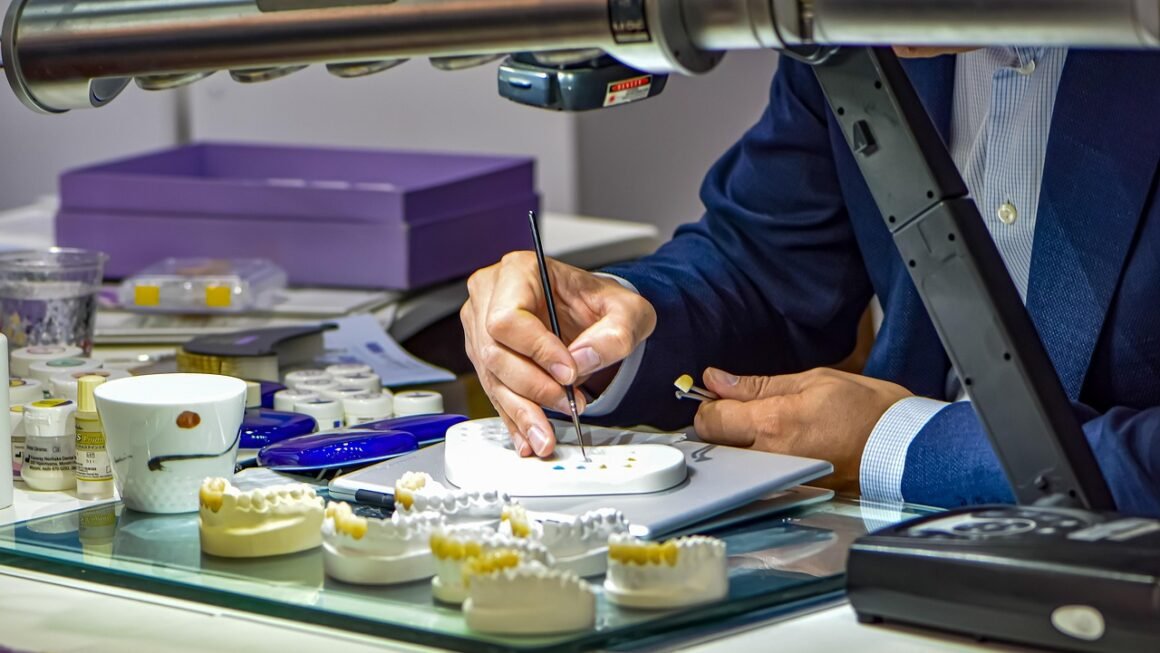
Getting a brighter, whiter smile is a common desire, but navigating the world of teeth whitening options can be overwhelming. From over-the-counter strips and toothpastes to in-office procedures, the choices seem endless. Among these, dental grade whitening stands out as a professional and effective solution for achieving significant and lasting results. Let’s delve into what makes dental grade whitening a superior option for illuminating your smile.
Understanding Dental Grade Whitening
Dental grade whitening refers to teeth whitening treatments administered or prescribed by a dental professional. These treatments contain a higher concentration of whitening agents compared to over-the-counter products, leading to more noticeable and faster results. They are also customized to suit your individual needs and oral health.
What Sets Dental Grade Whitening Apart?
- Higher Concentration of Whitening Agents: Dental-grade products contain a significantly higher percentage of hydrogen peroxide or carbamide peroxide, the active ingredients that break down stains on your teeth.
Example: Over-the-counter whitening strips often contain around 6-10% peroxide, while professional treatments can range from 15-40%.
- Customized Treatment Plans: Your dentist will assess your oral health, discuss your goals, and create a personalized whitening plan to ensure the best possible outcome.
- Professional Supervision: A dentist can monitor your progress, address any sensitivity issues, and adjust the treatment as needed.
- Protection of Soft Tissues: Dentists use protective barriers to shield your gums and other soft tissues from irritation caused by the whitening agents.
- Enhanced Results: Due to the higher concentration and professional application, dental grade whitening typically achieves more dramatic and longer-lasting results compared to over-the-counter options.
Types of Dental Grade Whitening
- In-Office Whitening: This involves a single appointment where your dentist applies a high-concentration whitening gel to your teeth. A special light or laser may be used to activate the gel and accelerate the whitening process.
Example: Popular in-office systems include Zoom! Whitening and Boost Whitening. These treatments can whiten teeth by several shades in just one visit.
- Take-Home Whitening Kits: Your dentist will provide you with custom-fitted trays and a prescription-strength whitening gel. You’ll wear the trays for a specified amount of time each day, typically for a few weeks.
Example: Custom trays ensure the whitening gel stays in contact with your teeth, maximizing its effectiveness and minimizing gum irritation.
- Internal Bleaching (for non-vital teeth): This procedure is used to whiten teeth that have darkened from the inside due to root canals or trauma. The whitening agent is placed inside the tooth and sealed.
Benefits of Choosing Dental Grade Whitening
Opting for dental grade whitening offers several advantages over over-the-counter alternatives.
Superior Whitening Power
- Faster and More Noticeable Results: The higher concentration of whitening agents delivers quicker and more dramatic results.
- Effective on Stubborn Stains: Dental grade whitening can effectively remove deep-set stains caused by coffee, tea, red wine, and smoking.
- Longer-Lasting Results: With proper maintenance and occasional touch-ups, the results of dental grade whitening can last for a significant amount of time.
Data: Studies have shown that professional whitening treatments can maintain their effects for up to two years with proper oral hygiene and occasional touch-ups.
Safety and Comfort
- Reduced Sensitivity: Dentists use desensitizing agents and monitor your progress to minimize sensitivity. They can also adjust the treatment if you experience discomfort.
- Protection of Soft Tissues: Protective barriers prevent the whitening agents from irritating your gums and other soft tissues.
- Personalized Treatment: Your dentist will take into account your individual needs and oral health to create a safe and effective treatment plan.
Professional Expertise and Guidance
- Accurate Diagnosis: Your dentist can identify the cause of your tooth discoloration and recommend the most appropriate treatment.
- Comprehensive Oral Health Assessment: Before starting whitening, your dentist will examine your teeth and gums to ensure you are a good candidate for the procedure.
- Expert Advice and Support: Your dentist can provide you with valuable advice on how to maintain your results and prevent future staining.
Who is a Good Candidate for Dental Grade Whitening?
While dental grade whitening is a great option for many, it’s not suitable for everyone.
Ideal Candidates
- Individuals with healthy teeth and gums.
- Those with extrinsic stains caused by food, drinks, or smoking.
- People seeking significant and long-lasting whitening results.
- Patients who have realistic expectations about the outcome of the treatment.
Considerations
- Pregnancy and Breastfeeding: Whitening is generally not recommended during pregnancy or breastfeeding.
- Sensitivity: Individuals with sensitive teeth may experience some discomfort during or after whitening.
- Dental Restorations: Whitening agents do not affect the color of fillings, crowns, or veneers. These may need to be replaced to match the new shade of your teeth.
- Age: Whitening is typically not recommended for children under the age of 16.
Maintaining Your Whitened Smile
After achieving your desired shade, it’s crucial to maintain your results.
Tips for Maintaining a Bright Smile
- Practice Good Oral Hygiene: Brush twice a day and floss daily to remove plaque and prevent staining.
- Limit Stain-Causing Foods and Drinks: Reduce your consumption of coffee, tea, red wine, and other staining substances.
- Use a Whitening Toothpaste: A whitening toothpaste can help to remove surface stains and maintain your bright smile.
- Schedule Regular Dental Cleanings: Professional cleanings can remove stubborn stains and keep your teeth healthy.
- Consider Touch-Up Treatments: Your dentist may recommend periodic touch-up treatments to maintain your results over time.
Practical Examples
- After drinking coffee or tea: Rinse your mouth with water immediately afterwards.
- Before special events: Schedule a professional cleaning to remove any surface stains.
- At-home maintenance: Use a whitening toothpaste and floss regularly to prevent staining.
- Dietary Changes: Substituting herbal teas for black tea, and swapping dark sodas for lighter ones can help to maintain whiteness.
Potential Side Effects and How to Manage Them
While dental grade whitening is generally safe, some individuals may experience temporary side effects.
Common Side Effects
- Tooth Sensitivity: This is the most common side effect and usually subsides within a few days after treatment.
Management: Use a desensitizing toothpaste, avoid hot or cold foods and drinks, and ask your dentist about fluoride treatments.
- Gum Irritation: This can occur if the whitening agent comes into contact with your gums.
Management: Ensure your custom trays fit properly and avoid overfilling them with whitening gel.
- White Spots: These may appear temporarily on your teeth, but they typically fade within a few days.
When to Contact Your Dentist
- If you experience severe or persistent tooth sensitivity.
- If you notice any signs of gum irritation or inflammation.
- If you have any concerns about the results of your whitening treatment.
- If you experience any allergic reactions.
Conclusion
Dental grade whitening provides a safe, effective, and customized approach to achieving a brighter, more confident smile. By consulting with your dentist, you can determine the best treatment option for your individual needs and enjoy long-lasting results. While over-the-counter options are available, the higher concentration, professional supervision, and tailored approach of dental grade whitening make it a superior choice for those seeking significant and lasting improvements. Remember to maintain good oral hygiene and follow your dentist’s recommendations to keep your smile sparkling for years to come.