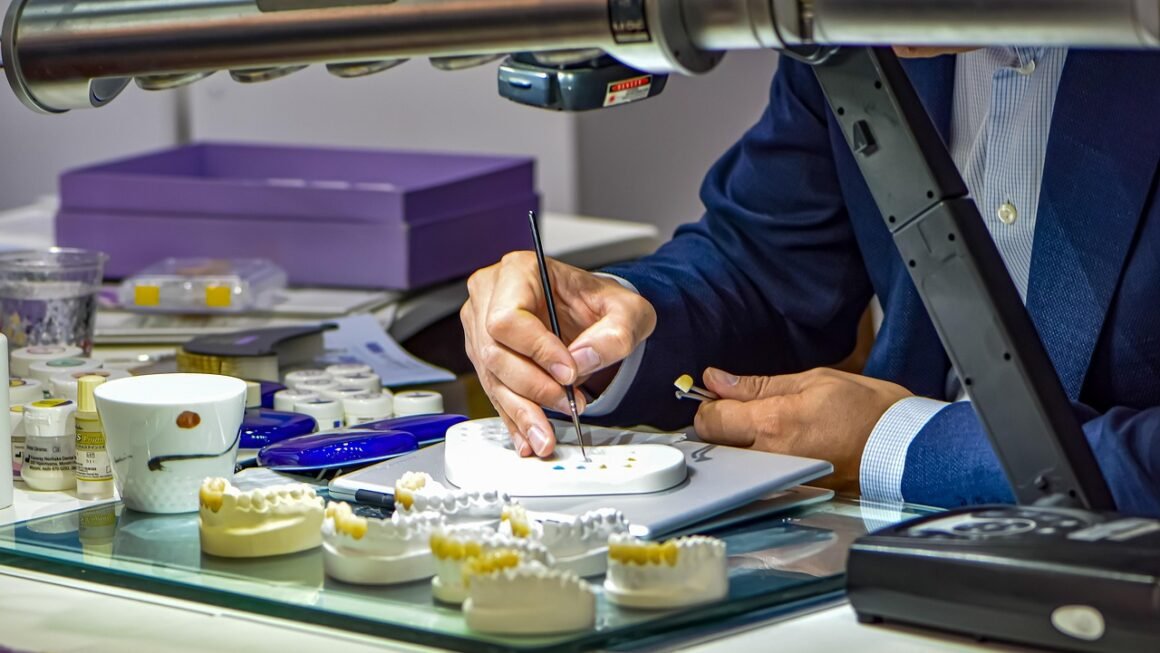
A dazzling, confident smile is a valuable asset in today’s world. It can boost your self-esteem, make a positive first impression, and even influence your career. If you’re considering enhancing your smile, dental whitening is a safe, effective, and increasingly popular option. This comprehensive guide explores everything you need to know about teeth whitening, from understanding the different types of treatments to maintaining your brighter, whiter smile for years to come.
Understanding Teeth Whitening
What Causes Teeth Discoloration?
Many factors can contribute to teeth staining and discoloration, impacting the overall appearance of your smile. Understanding these causes is the first step in choosing the right whitening treatment.
- Diet: Frequent consumption of coffee, tea, red wine, and dark sodas can stain the enamel over time.
- Tobacco Use: Smoking and chewing tobacco are major culprits, leaving stubborn brown or yellow stains.
- Age: As we age, the enamel thins, revealing the yellowish dentin underneath.
- Poor Oral Hygiene: Inadequate brushing and flossing allow plaque and tartar to accumulate, leading to discoloration.
- Certain Medications: Some medications, such as tetracycline antibiotics taken during childhood, can cause intrinsic staining, which is more difficult to remove.
- Trauma: Injuries to the teeth can sometimes result in discoloration.
- Genetics: Some people are simply predisposed to having teeth that are less white than others.
Types of Teeth Stains
Understanding the type of stain you have is crucial for selecting the most effective whitening method.
- Extrinsic Stains: These are surface stains caused by external factors like food, drinks, and tobacco. They are generally easier to remove with over-the-counter whitening products or professional cleaning.
- Intrinsic Stains: These stains originate from within the tooth structure and are often caused by medications, trauma, or excessive fluoride intake during tooth development. Intrinsic stains usually require professional whitening treatments for significant improvement.
- Age-Related Stains: These are a combination of both extrinsic and intrinsic factors that occur naturally over time as the enamel thins and the dentin becomes more visible.
Professional Teeth Whitening Options
Visiting a dentist for professional teeth whitening ensures a safe, effective, and often faster whitening experience compared to over-the-counter options.
In-Office Whitening
In-office whitening, performed by a dental professional, offers the most dramatic and immediate results.
- Procedure: The dentist applies a high-concentration bleaching gel to the teeth after protecting the gums with a barrier. A special light or laser may be used to activate the gel and accelerate the whitening process.
- Benefits:
Noticeable results in a single appointment (usually 1-2 hours).
Dentist supervision ensures safety and minimizes sensitivity.
Higher concentrations of whitening agents for more significant stain removal.
- Example: Many dental offices use systems like Zoom! or BriteSmile, which can lighten teeth by several shades in just one visit.
Custom Take-Home Whitening Trays
Your dentist can create custom-fitted trays for you to use at home with a professional-strength whitening gel.
- Procedure: The dentist takes impressions of your teeth to create custom trays that fit snugly. You’ll receive a whitening gel and instructions on how often and how long to wear the trays each day.
- Benefits:
More affordable than in-office whitening.
Custom-fitted trays ensure even coverage and minimize gum irritation.
Allows for gradual whitening at your own pace.
- Example: You might wear the trays for 30 minutes to an hour each day for a couple of weeks to achieve your desired level of whiteness.
Over-the-Counter Whitening Products
Numerous over-the-counter (OTC) whitening products are available, offering a convenient and often more affordable way to brighten your smile.
Whitening Toothpastes
Whitening toothpastes contain mild abrasives and chemical agents to remove surface stains.
- Function: These toothpastes primarily work on extrinsic stains and offer minimal lightening of the overall tooth shade.
- Pros:
Easy to incorporate into your daily oral hygiene routine.
Relatively inexpensive.
- Cons:
Limited whitening power.
Abrasive ingredients can potentially damage enamel with overuse.
Whitening Strips
Whitening strips are thin, flexible plastic strips coated with a peroxide-based gel.
- Function: The strips are applied to the teeth for a specified period, allowing the gel to penetrate the enamel and break down stains.
- Pros:
Easy to use and readily available.
More effective than whitening toothpastes.
- Cons:
May not fit teeth perfectly, leading to uneven whitening.
Can cause tooth sensitivity or gum irritation.
Whitening Gels and Rinses
Whitening gels and rinses contain peroxide-based ingredients to lighten teeth.
- Function: Gels are brushed onto the teeth, while rinses are swished around in the mouth for a specified time.
- Pros:
More affordable than professional treatments.
- Cons:
Less effective than professional treatments or whitening strips.
* Can be messy and difficult to apply evenly.
Managing Tooth Sensitivity and Side Effects
Tooth sensitivity is a common side effect of teeth whitening, especially with higher concentrations of whitening agents. Here’s how to manage it:
Before Whitening
- Use a desensitizing toothpaste: Start using a toothpaste specifically designed for sensitive teeth a few weeks before whitening to help strengthen your enamel.
- Consult with your dentist: Discuss your sensitivity concerns with your dentist, who can recommend appropriate products and treatments.
During Whitening
- Reduce treatment time: If you experience sensitivity, shorten the duration of each whitening session.
- Take breaks: Take a break from whitening for a few days to allow your teeth to recover.
After Whitening
- Continue using desensitizing toothpaste: Maintain the use of desensitizing toothpaste to keep sensitivity at bay.
- Fluoride treatments: Your dentist may recommend fluoride treatments to strengthen enamel and reduce sensitivity.
Maintaining Your Whitened Smile
Maintaining your whiter smile requires consistent oral hygiene practices and lifestyle adjustments.
Oral Hygiene Practices
- Brush and floss regularly: Brush your teeth twice a day and floss daily to remove plaque and prevent stain buildup.
- Use a whitening toothpaste: Continue using a whitening toothpaste to maintain your results.
- Professional cleanings: Schedule regular dental cleanings to remove stubborn stains and plaque.
Lifestyle Adjustments
- Limit stain-causing foods and drinks: Reduce your consumption of coffee, tea, red wine, and dark sodas.
- Quit smoking: Smoking is a major cause of teeth staining, so quitting will significantly improve your smile’s whiteness.
- Use a straw: When drinking stain-causing beverages, use a straw to minimize contact with your teeth.
- Rinse your mouth after eating or drinking: Rinse your mouth with water after consuming stain-causing foods or drinks to help wash away the staining agents.
Conclusion
Dental whitening is a safe and effective way to achieve a brighter, more confident smile. Whether you opt for professional in-office treatments, custom take-home trays, or over-the-counter options, understanding the different methods and following proper maintenance practices are crucial for achieving optimal and long-lasting results. Consult with your dentist to determine the best whitening solution for your specific needs and enjoy the confidence that comes with a dazzling, whiter smile.