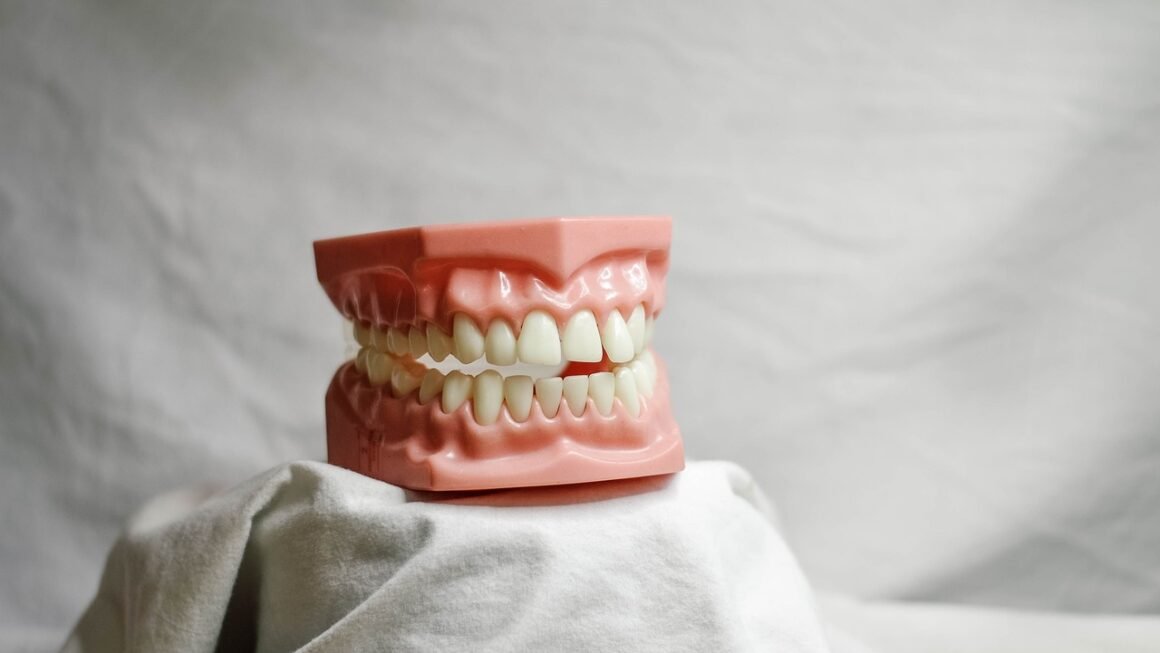
Achieving a sparkling, healthy smile starts with one fundamental habit: proper tooth brushing. It’s more than just a quick scrub; it’s a daily ritual that protects your teeth and gums from harmful bacteria, decay, and disease. Let’s dive into the best practices for effective tooth brushing, ensuring your smile stays bright for years to come.
The Importance of Regular Tooth Brushing
Preventing Plaque and Tartar Buildup
Plaque, a sticky film of bacteria, constantly forms on our teeth. If not removed through regular brushing, it hardens into tartar (calculus), which can only be removed by a dental professional.
- Plaque accumulation can lead to cavities (tooth decay) and gingivitis (gum inflammation).
- Tartar provides a rough surface that allows more plaque to accumulate, exacerbating the problem.
- Regular brushing disrupts the plaque formation process, preventing its harmful effects.
Example: Imagine your teeth are like a whiteboard. If you don’t erase the marker ink (plaque) regularly, it becomes permanent (tartar) and harder to remove.
Fighting Gum Disease
Gingivitis, the early stage of gum disease, often presents with red, swollen, and bleeding gums. Periodontitis, a more advanced stage, can lead to tooth loss and bone damage.
- Brushing helps to remove plaque and bacteria from along the gum line, reducing inflammation.
- Effective brushing can prevent gingivitis from progressing to periodontitis.
- Healthy gums are crucial for overall oral health and support the structure of your teeth.
Data: According to the CDC, nearly half of adults aged 30 or older show signs of gum disease. Regular brushing is a primary defense against this prevalent condition.
Fresh Breath and Overall Oral Hygiene
Bad breath, or halitosis, is often caused by bacteria in the mouth. Food particles trapped between teeth and on the tongue contribute to the problem.
- Brushing removes food debris and bacteria, freshening your breath.
- Cleaning the tongue with a tongue scraper or the bristles of your toothbrush further reduces bacteria and improves breath.
- Good oral hygiene, including regular brushing, boosts your confidence and social interactions.
Actionable Takeaway: Make a conscious effort to brush your tongue after brushing your teeth. This simple addition can significantly improve your breath.
Choosing the Right Toothbrush and Toothpaste
Selecting the Right Toothbrush
The right toothbrush is essential for effective and comfortable cleaning.
- Bristle type: Opt for a soft-bristled toothbrush to avoid damaging your gums and tooth enamel.
- Size and shape: Choose a toothbrush head that allows you to easily reach all areas of your mouth, including the back teeth.
- Electric vs. Manual: Both electric and manual toothbrushes can be effective. Electric toothbrushes often have built-in timers and pressure sensors, which can aid in proper technique.
Practical Example: If you have a small mouth or have trouble reaching your back teeth, consider a toothbrush with a smaller head and angled bristles.
Selecting the Right Toothpaste
Toothpaste plays a crucial role in strengthening enamel and fighting bacteria.
- Fluoride content: Choose a toothpaste containing fluoride, which helps to remineralize tooth enamel and prevent cavities.
- Sensitivity considerations: If you have sensitive teeth, look for a toothpaste specifically formulated for sensitivity relief. These toothpastes often contain ingredients like potassium nitrate.
- Whitening properties: Whitening toothpastes contain abrasive particles that help to remove surface stains, but they should be used with caution to avoid enamel abrasion.
- ADA Seal of Acceptance: Look for the ADA (American Dental Association) Seal of Acceptance on the packaging. This seal indicates that the toothpaste has been tested and proven safe and effective.
Practical Tip: Read the ingredient list of your toothpaste to understand its benefits and potential drawbacks. Consult your dentist if you have any concerns.
Proper Tooth Brushing Technique
The Bass Technique
The Bass Technique is a widely recommended method for effective plaque removal along the gum line.
Key Points:
- Avoid using excessive pressure, which can damage your gums.
- Focus on cleaning each tooth thoroughly, paying attention to the gum line.
Brushing Duration and Frequency
How long and how often you brush significantly impacts its effectiveness.
- Duration: Brush for at least two minutes each time.
- Frequency: Brush at least twice a day – once in the morning and once before bed.
- Consistency: Make brushing a consistent part of your daily routine.
Example: Divide your mouth into quadrants and spend 30 seconds brushing each quadrant to ensure adequate coverage.
Important Considerations
- Rinse your toothbrush after each use and store it in an upright position to allow it to air dry.
- Replace your toothbrush every three to four months, or sooner if the bristles are frayed.
- Don’t share toothbrushes to prevent the spread of bacteria.
Actionable Takeaway: Set a timer for two minutes each time you brush to ensure you’re brushing for the recommended duration.
Common Tooth Brushing Mistakes to Avoid
Brushing Too Hard
Brushing too aggressively can wear down your enamel and damage your gums.
- Consequences: Enamel erosion, gum recession, and tooth sensitivity.
- Solution: Use a soft-bristled toothbrush and apply gentle pressure.
Example: Imagine you’re polishing a delicate surface, rather than scrubbing a dirty floor.
Neglecting the Gum Line
Failing to clean along the gum line allows plaque and bacteria to accumulate, leading to gum disease.
- Consequences: Gingivitis, periodontitis, and potential tooth loss.
- Solution: Use the Bass Technique to effectively clean along the gum line.
Brushing Immediately After Eating
Brushing immediately after consuming acidic foods or drinks can weaken enamel.
- Consequences: Enamel erosion and increased sensitivity.
- Solution: Wait at least 30 minutes after eating or drinking before brushing to allow your saliva to neutralize acids.
Practical Tip: Rinse your mouth with water after eating or drinking something acidic to help neutralize acids before brushing later.
Ignoring the Tongue
Bacteria on the tongue contribute to bad breath and poor oral hygiene.
- Consequences: Halitosis and increased risk of oral infections.
- Solution: Use a tongue scraper or the bristles of your toothbrush to gently clean your tongue.
Conclusion
Mastering the art of tooth brushing is an investment in your long-term oral health. By understanding the importance of regular brushing, selecting the right tools, employing proper techniques, and avoiding common mistakes, you can effectively protect your teeth and gums from decay, disease, and other oral health problems. Remember to make tooth brushing a consistent and mindful part of your daily routine, and consult with your dentist for personalized recommendations. Your smile will thank you for it!