Maintaining a healthy smile goes beyond just aesthetics; it’s a cornerstone of overall well-being. One of the simplest, yet most critical, habits for achieving optimal oral health is proper tooth brushing. This seemingly mundane task, when performed correctly, can significantly reduce your risk of cavities, gum disease, and other dental problems. This guide provides a comprehensive look at effective tooth brushing techniques to keep your smile bright and healthy for years to come.
The Importance of Tooth Brushing
Preventing Dental Diseases
Effective tooth brushing is the first line of defense against common oral health issues. Bacteria in your mouth form a sticky film called plaque. When plaque isn’t removed, it hardens into tartar (calculus), which can lead to:
- Cavities (Dental Caries): Plaque acids erode tooth enamel, causing cavities.
- Gingivitis: Inflammation of the gums caused by plaque buildup. Symptoms include red, swollen, and bleeding gums. Around 47.2% of adults aged 30 years and older have some form of periodontal disease, which often starts with gingivitis (Source: CDC).
- Periodontitis: Advanced gum disease that damages the soft tissue and bone supporting your teeth. It can lead to tooth loss.
Regular brushing disrupts the formation of plaque and removes food particles, minimizing the risk of these problems.
Impact on Overall Health
Oral health is closely linked to overall health. Studies have shown associations between gum disease and:
- Heart Disease: Bacteria from gum disease can enter the bloodstream and contribute to heart disease.
- Diabetes: Gum disease can make it harder to control blood sugar levels, and diabetes can increase the risk of gum disease.
- Respiratory Infections: Bacteria in the mouth can be inhaled into the lungs, increasing the risk of respiratory infections.
By prioritizing good oral hygiene, including effective tooth brushing, you’re not only protecting your teeth and gums but also supporting your overall health.
Choosing the Right Toothbrush and Toothpaste
Selecting a Toothbrush
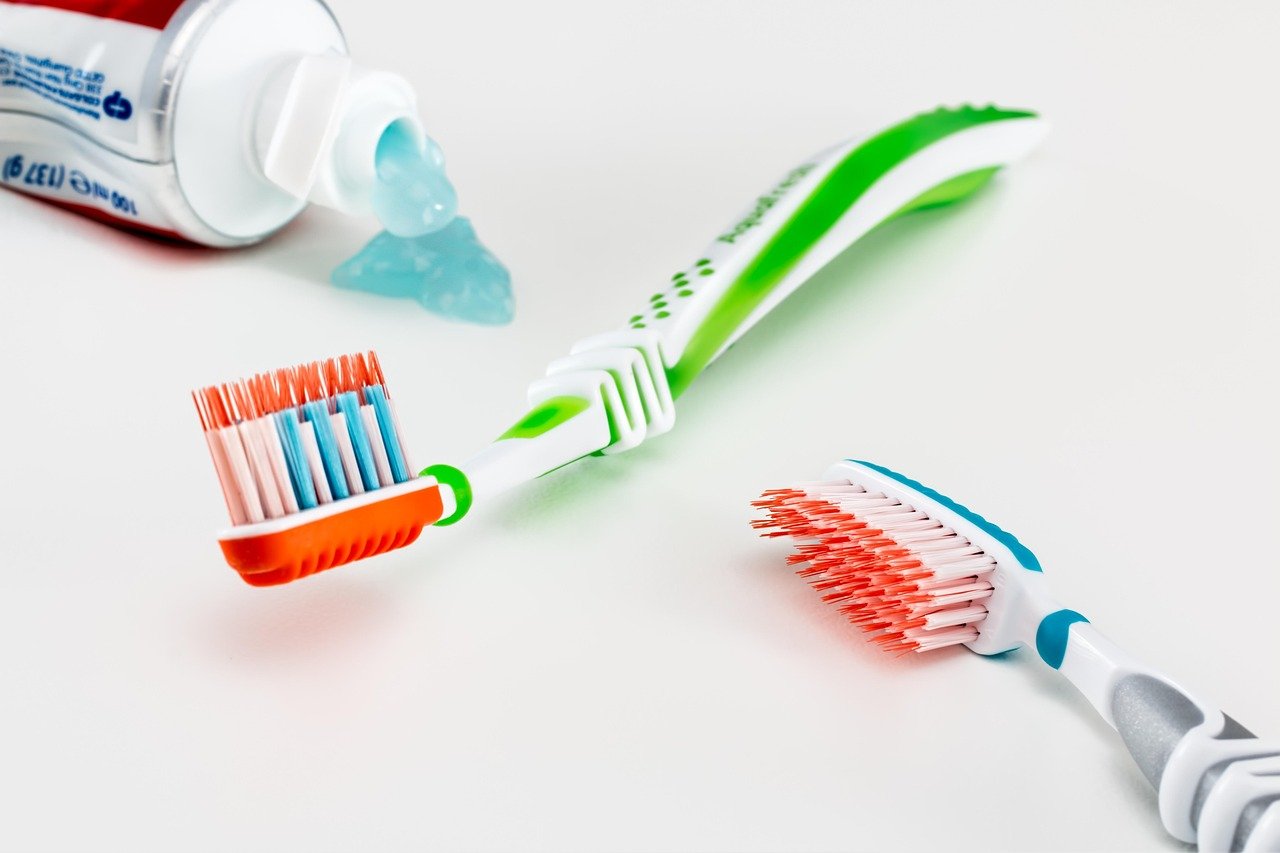
The right toothbrush can make a significant difference in your brushing effectiveness. Consider the following:
- Bristle Softness: Opt for a soft-bristled toothbrush. Hard bristles can damage enamel and irritate gums. A soft-bristled brush is gentle yet effective at removing plaque.
- Head Size: Choose a toothbrush head that allows you to easily reach all areas of your mouth, including the back teeth. A smaller head is often preferable.
- Handle Design: Select a toothbrush with a comfortable grip to allow for easy maneuvering.
- Electric vs. Manual: Both electric and manual toothbrushes can be effective. Electric toothbrushes often have features like timers and pressure sensors, which can help improve brushing technique. Some studies suggest electric toothbrushes may be slightly more effective at removing plaque and gingivitis.
Example: A soft-bristled toothbrush with a small head allows you to reach all surfaces of your teeth without causing damage to your gums.
Choosing the Right Toothpaste
Toothpaste plays a vital role in cleaning and protecting your teeth. Look for these features:
- Fluoride: Fluoride strengthens tooth enamel and helps prevent cavities. The American Dental Association (ADA) recommends using fluoride toothpaste.
- ADA Seal of Acceptance: This seal indicates that the toothpaste has been evaluated for safety and effectiveness by the ADA.
- Ingredients for Specific Needs: Consider toothpaste formulated for sensitive teeth (containing potassium nitrate), whitening (containing mild abrasives), or tartar control (containing pyrophosphates).
Example: If you experience tooth sensitivity, choose a toothpaste specifically designed for sensitive teeth containing potassium nitrate. This ingredient helps block pain signals to the nerves in your teeth.
Mastering the Proper Brushing Technique
The Bass Technique
The Bass technique is widely recommended by dentists for effective plaque removal. Here’s how to do it:
- Position: Hold the toothbrush at a 45-degree angle to the gumline.
- Motion: Use short, gentle, back-and-forth motions, ensuring the bristles reach under the gumline.
- Areas: Brush each tooth surface (outer, inner, and chewing surfaces) thoroughly.
- Duration: Spend at least two minutes brushing, dedicating about 30 seconds to each quadrant of your mouth (upper right, upper left, lower right, lower left).
Practical Tip: Use a timer or toothbrush with a built-in timer to ensure you’re brushing for the recommended two minutes.
Additional Brushing Tips
- Tongue Brushing: Don’t forget to brush your tongue to remove bacteria and freshen breath.
- Gentle Pressure: Avoid using excessive pressure, which can damage enamel and irritate gums.
- Rinsing: After brushing, rinse your mouth with water or fluoride mouthwash.
Example: Many people neglect brushing the tongue. Gently scrape or brush your tongue from back to front to remove bacteria and food debris. This helps to eliminate bad breath and improve overall oral hygiene.
When and How Often to Brush
Recommended Frequency
The American Dental Association (ADA) recommends brushing your teeth twice a day:
- Morning: Brush after breakfast to remove food particles and plaque that accumulated overnight.
- Evening: Brush before bed to remove plaque and food debris accumulated throughout the day. This is particularly important as saliva production decreases during sleep.
Important Note: Wait at least 30 minutes after eating acidic foods or drinks before brushing to prevent enamel damage.
Timing Considerations
- Brushing after Meals: If you can’t brush after every meal, rinse your mouth with water to help remove food particles.
- Replacing Your Toothbrush: Replace your toothbrush every three to four months, or sooner if the bristles are frayed. Frayed bristles are less effective at removing plaque.
Example: Keep a spare toothbrush at work or in your bag for brushing after lunch. Even a quick brush is better than no brush at all.
Addressing Common Tooth Brushing Mistakes
Brushing Too Hard
Brushing too vigorously can lead to:
- Enamel Erosion: Wearing away of the protective enamel layer of your teeth.
- Gum Recession: Pulling back of the gums, exposing the roots of your teeth.
- Tooth Sensitivity: Increased sensitivity to hot, cold, or sweet foods and drinks.
Solution: Use a soft-bristled toothbrush and apply gentle pressure while brushing. Focus on thoroughness rather than force.
Neglecting Certain Areas
Many people tend to neglect certain areas of their mouth, such as the back teeth or the gumline. This can lead to:
- Plaque Buildup: Increased plaque accumulation in neglected areas.
- Increased Risk of Cavities and Gum Disease: Higher susceptibility to dental problems in those areas.
Solution: Pay attention to all surfaces of your teeth, including the back teeth and the gumline. Use a systematic approach to ensure you don’t miss any spots.
Not Brushing Long Enough
Spending less than two minutes brushing your teeth may not be enough to remove plaque effectively. This can result in:
- Incomplete Plaque Removal: Leaving plaque on your teeth, increasing the risk of dental problems.
- Reduced Effectiveness of Fluoride: Not giving fluoride enough time to strengthen enamel.
Solution: Set a timer for two minutes and focus on brushing each quadrant of your mouth thoroughly. Using an electric toothbrush with a built-in timer can also help.
Conclusion
Proper tooth brushing is a fundamental aspect of maintaining excellent oral health and contributing to your overall well-being. By following the techniques and tips outlined in this guide, you can significantly reduce your risk of dental diseases, protect your enamel and gums, and enjoy a healthy, confident smile. Remember to choose the right toothbrush and toothpaste, master the Bass brushing technique, brush at least twice a day, and avoid common brushing mistakes. Consistent and effective tooth brushing, coupled with regular dental check-ups, will help you achieve and maintain a healthy, radiant smile for life.