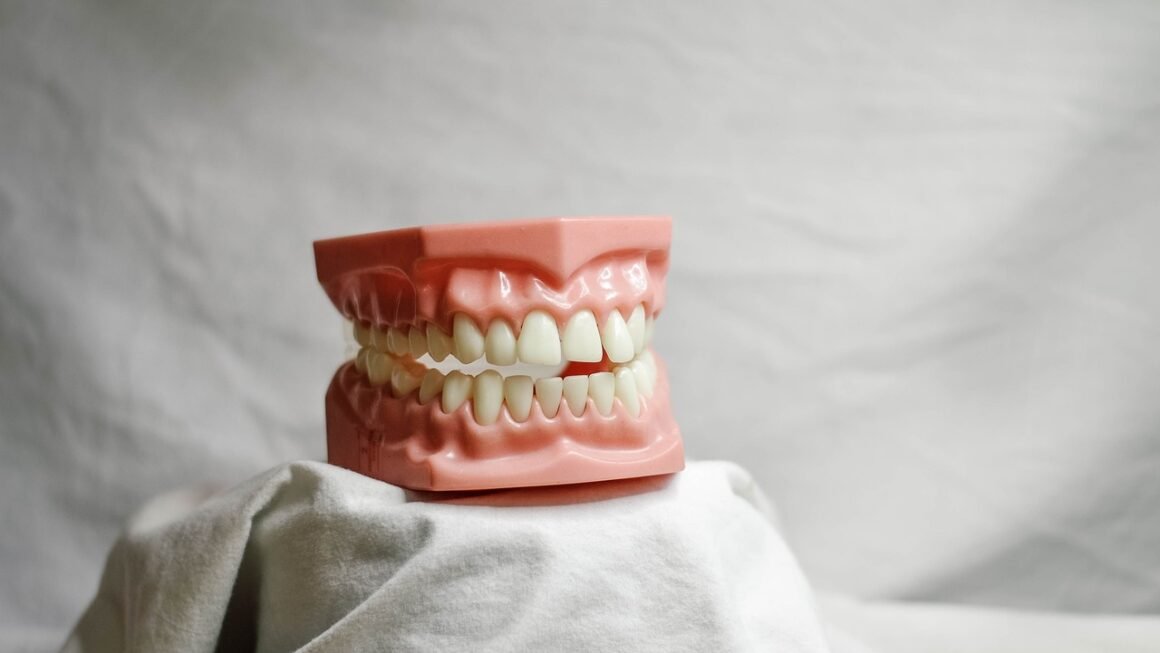
Maintaining a healthy and radiant smile requires more than just a quick brush in the morning. A comprehensive dental care routine is essential for preventing cavities, gum disease, and other oral health issues. Investing in a consistent and effective oral hygiene regimen will not only boost your confidence but also contribute significantly to your overall well-being. Let’s dive into the key elements of a perfect dental care routine.
The Cornerstone: Brushing Your Teeth Correctly
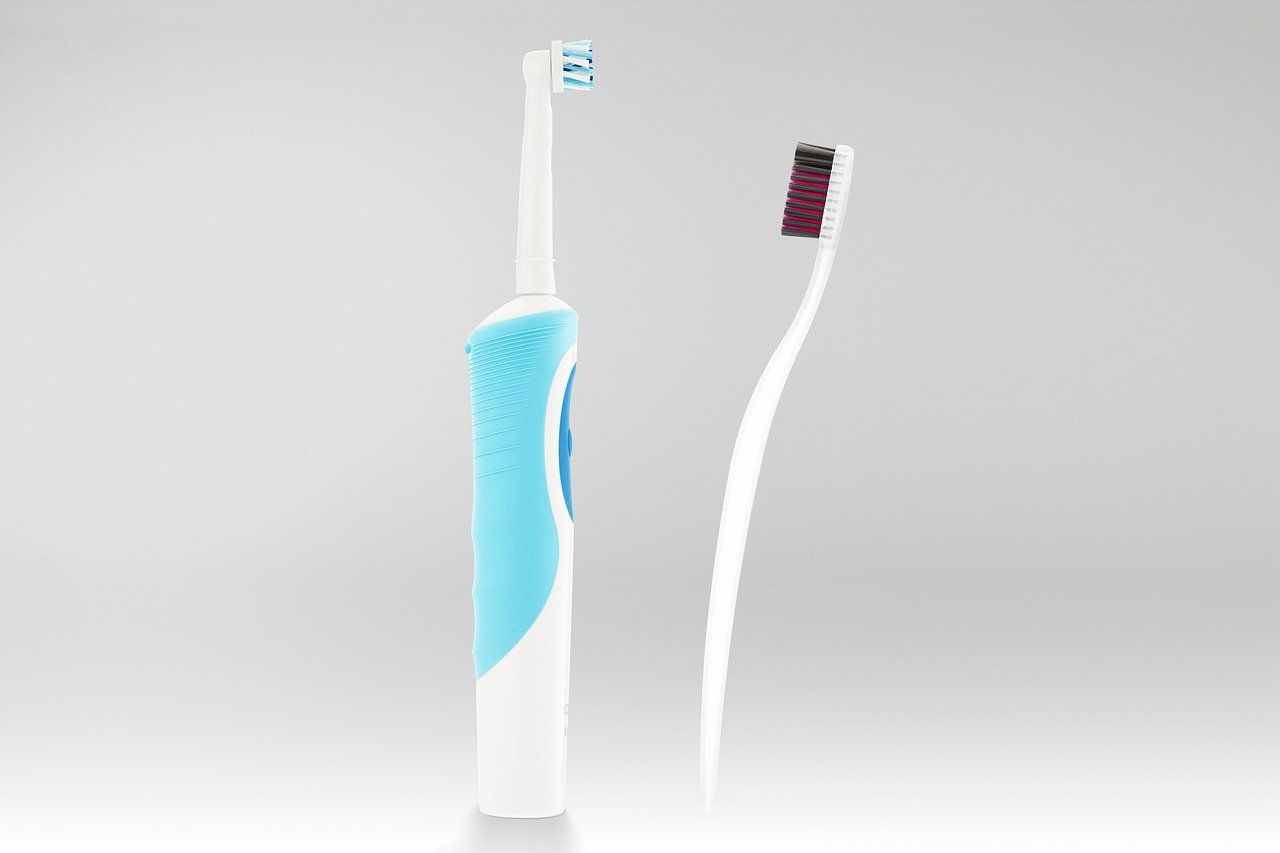
Choosing the Right Toothbrush
Selecting the right toothbrush is the first step towards effective cleaning.
- Soft-bristled brushes: Opt for a toothbrush with soft bristles. These are gentle on your gums and enamel, preventing irritation and damage.
- Electric vs. Manual: Both electric and manual toothbrushes can be effective. Electric toothbrushes often have built-in timers and pressure sensors, which can help improve technique. Studies have shown that electric toothbrushes, particularly those with oscillating-rotating heads, may remove more plaque and gingivitis than manual brushing.
- ADA Seal of Acceptance: Look for the American Dental Association (ADA) Seal of Acceptance. This indicates that the toothbrush has been evaluated for safety and efficacy.
Mastering the Brushing Technique
Proper technique is just as important as the toothbrush itself.
- Angle and Motion: Hold your toothbrush at a 45-degree angle to your gums. Use short, gentle, circular motions. Avoid scrubbing vigorously, as this can damage your enamel and gums.
- Coverage: Brush all surfaces of each tooth: the outer surfaces, the inner surfaces, and the chewing surfaces. Don’t forget to brush your tongue to remove bacteria and freshen your breath.
- Timing: Brush for at least two minutes, twice a day. Many electric toothbrushes have built-in timers to help you achieve this. Divide your mouth into quadrants (upper right, upper left, lower right, lower left) and spend 30 seconds on each.
Choosing the Right Toothpaste
Your toothpaste plays a crucial role in fighting cavities and maintaining oral health.
- Fluoride is Key: Always choose a toothpaste that contains fluoride. Fluoride strengthens tooth enamel and helps prevent decay.
- Consider Sensitivity: If you have sensitive teeth, look for toothpaste specifically formulated for sensitivity. These toothpastes often contain ingredients that block pain signals.
- Whitening Toothpastes: Whitening toothpastes can help remove surface stains. However, they are often abrasive and should be used with caution, especially if you have sensitive teeth. Consult your dentist if you are concerned about whitening.
Flossing: Reaching the Unreachable
Why Flossing is Essential
Brushing alone cannot reach the spaces between your teeth and along the gumline, where plaque and food particles tend to accumulate.
- Removes Plaque and Debris: Flossing removes plaque and food debris from areas that your toothbrush cannot reach.
- Prevents Gum Disease: By removing plaque from the gumline, flossing helps prevent gingivitis (gum inflammation) and periodontitis (gum disease).
- Improves Overall Health: Studies have linked gum disease to other health problems, such as heart disease and diabetes.
Flossing Technique
Effective flossing requires proper technique.
- Use Enough Floss: Break off about 18 inches of floss. Wind most of the floss around your middle fingers, leaving a few inches to work with.
- Gentle Guidance: Gently guide the floss between your teeth using a sawing motion. Avoid snapping the floss against your gums.
- C-Shape: Curve the floss into a C-shape around each tooth, making sure to go below the gumline. Slide the floss up and down against the tooth surface to remove plaque and debris.
- Fresh Section: Use a fresh section of floss for each tooth.
Alternatives to Traditional Floss
If you find traditional flossing difficult, there are alternatives available.
- Floss Picks: Floss picks are small, handheld tools with a piece of floss stretched between two prongs. They are convenient and easy to use, especially for people with limited dexterity.
- Interdental Brushes: Interdental brushes are small, cone-shaped brushes that fit between your teeth. They are particularly effective for cleaning larger gaps or around braces.
- Water Flossers: Water flossers use a stream of pulsating water to remove plaque and debris from between your teeth and along the gumline. They are a good option for people with braces or other dental appliances.
Mouthwash: An Added Boost
The Benefits of Mouthwash
Mouthwash is a valuable addition to your dental care routine.
- Reduces Plaque and Gingivitis: Antimicrobial mouthwashes contain ingredients that kill bacteria and reduce plaque buildup.
- Freshens Breath: Mouthwash can help freshen your breath and eliminate bad breath odors.
- Fluoride Protection: Fluoride mouthwashes help strengthen tooth enamel and prevent cavities.
Choosing the Right Mouthwash
There are various types of mouthwash available, each with its own benefits.
- Antimicrobial Mouthwash: Contains ingredients like chlorhexidine or cetylpyridinium chloride (CPC) to kill bacteria. These are often recommended for people with gingivitis or after dental procedures.
- Fluoride Mouthwash: Helps strengthen tooth enamel and prevent cavities. Use this as a final rinse after brushing and flossing.
- Cosmetic Mouthwash: Primarily freshens breath and does not have significant antibacterial properties.
How to Use Mouthwash
Using mouthwash correctly is essential for maximizing its benefits.
- Timing: Use mouthwash after brushing and flossing.
- Amount and Duration: Pour the recommended amount (usually around 20 ml) into a cup. Rinse your mouth thoroughly for 30 seconds, then spit it out. Avoid swallowing mouthwash.
- Don’t Rinse After: Do not rinse your mouth with water immediately after using mouthwash, as this can wash away the active ingredients.
Regular Dental Check-ups: Professional Care
The Importance of Regular Visits
Regular dental check-ups are a critical component of your dental care routine.
- Early Detection: Dentists can detect early signs of cavities, gum disease, and other oral health problems before they become serious.
- Professional Cleaning: Dental hygienists remove plaque and tartar buildup that you cannot remove at home.
- Personalized Advice: Your dentist can provide personalized advice on how to improve your dental care routine and address any specific concerns you may have.
What to Expect During a Check-up
A typical dental check-up includes several components.
- Examination: Your dentist will examine your teeth, gums, and mouth for signs of decay, gum disease, and other abnormalities.
- Cleaning: A dental hygienist will use specialized tools to remove plaque and tartar from your teeth.
- X-rays: X-rays may be taken to detect cavities between your teeth or other problems that are not visible during a visual examination.
- Treatment Plan: If any problems are detected, your dentist will develop a treatment plan to address them.
Frequency of Visits
The recommended frequency of dental check-ups is typically every six months. However, your dentist may recommend more frequent visits if you have a history of dental problems or if you are at high risk for developing cavities or gum disease.
Conclusion
A comprehensive dental care routine is an investment in your oral health and overall well-being. By incorporating proper brushing and flossing techniques, using mouthwash effectively, and scheduling regular dental check-ups, you can maintain a healthy and radiant smile for years to come. Remember to consult with your dentist for personalized recommendations and to address any specific concerns you may have. Your smile is one of your most valuable assets, so take care of it!