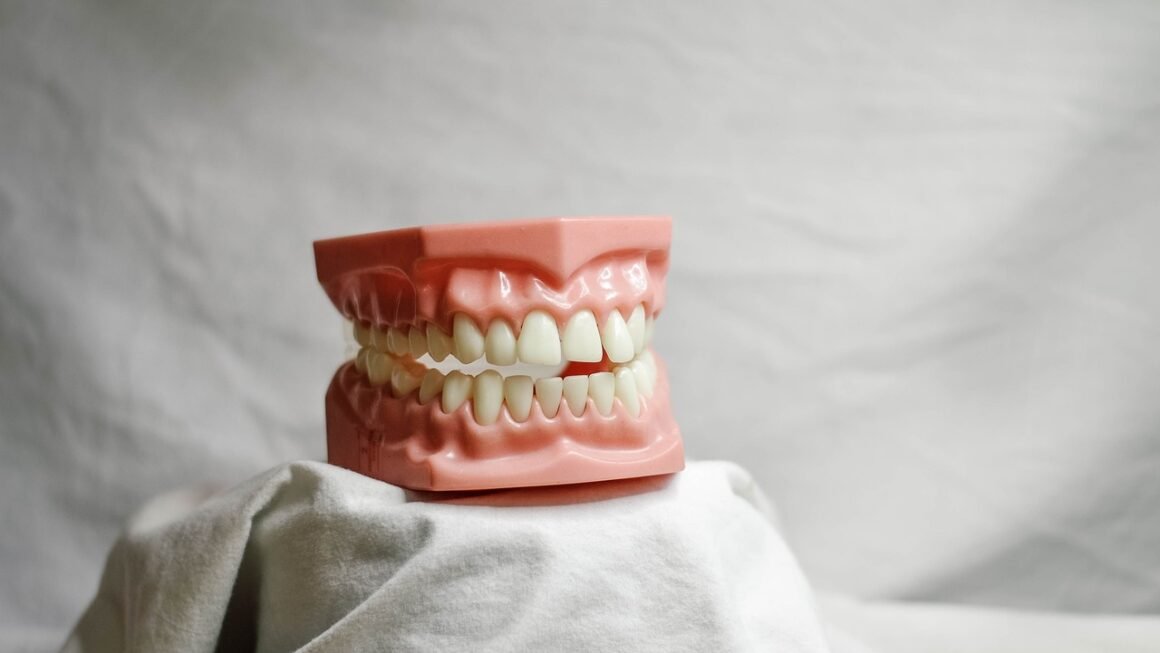
Maintaining excellent oral hygiene is a cornerstone of overall health and well-being. Beyond just a bright smile, proper oral care protects against cavities, gum disease, and even systemic health issues. This comprehensive guide will explore the wide array of oral hygiene products available, helping you make informed choices for a healthy and vibrant mouth.
The Importance of Choosing the Right Toothbrush
Manual Toothbrushes: The Classic Choice
Manual toothbrushes remain a popular and affordable option for daily oral hygiene. With a wide range of bristle types (soft, medium, hard) and head sizes available, it’s essential to choose one that suits your individual needs. Soft-bristled brushes are generally recommended by dentists, as they are gentle on gums and enamel, reducing the risk of irritation and abrasion.
- Benefits:
Affordable and readily available.
Easy to control the pressure and angle of brushing.
No batteries or charging required.
- Considerations:
Requires proper brushing technique for effective cleaning.
May not reach all areas of the mouth as effectively as powered toothbrushes.
Bristles should be replaced every 3-4 months, or sooner if frayed.
Powered Toothbrushes: Enhanced Cleaning Power
Powered toothbrushes, including electric and sonic models, offer enhanced cleaning capabilities through oscillating, rotating, or vibrating brush heads. These features can help remove plaque and bacteria more effectively than manual brushing, especially for individuals with dexterity issues or those seeking a deeper clean.
- Benefits:
More effective plaque removal compared to manual toothbrushes.
Built-in timers to ensure adequate brushing time (2 minutes is recommended).
Some models have pressure sensors to prevent over-brushing.
Can be beneficial for individuals with arthritis or limited mobility.
- Considerations:
Higher initial cost compared to manual toothbrushes.
Requires charging or battery replacement.
Brush heads need to be replaced regularly.
Choose models approved by the American Dental Association (ADA) for safety and effectiveness.
Specialty Toothbrushes: Targeting Specific Needs
Beyond standard toothbrushes, several specialty brushes cater to specific oral hygiene needs. These include:
- Interdental Brushes: Designed to clean between teeth, where regular toothbrushes can’t reach. Excellent for cleaning around braces and dental implants.
- Tongue Scrapers: Help remove bacteria and debris from the tongue, improving breath and overall oral hygiene.
- Single-Tufted Brushes: Ideal for cleaning hard-to-reach areas, such as around molars or along the gumline.
Choosing the Right Toothpaste
Fluoride Toothpaste: The Gold Standard
Fluoride toothpaste is the cornerstone of cavity prevention. Fluoride strengthens tooth enamel, making it more resistant to acid attacks from bacteria. The American Dental Association (ADA) recommends using fluoride toothpaste at least twice daily.
- Benefits:
Effectively prevents tooth decay and cavities.
Strengthens tooth enamel.
Reverses early signs of tooth decay.
- Considerations:
Young children should use a pea-sized amount of fluoride toothpaste under adult supervision to minimize the risk of fluorosis.
Some individuals may be sensitive to certain ingredients in toothpaste, such as sodium lauryl sulfate (SLS).
Sensitivity Toothpaste: Relief for Sensitive Teeth
Sensitivity toothpastes contain ingredients like potassium nitrate or strontium chloride that help block pain signals from reaching the nerves in teeth. These toothpastes can provide relief from sensitivity caused by receding gums, enamel erosion, or teeth whitening treatments.
- Benefits:
Reduces tooth sensitivity to hot, cold, sweet, or acidic foods and drinks.
Provides gradual relief with regular use.
- Considerations:
May take several weeks of consistent use to achieve noticeable results.
Consult a dentist if sensitivity persists or worsens.
Whitening Toothpaste: Brightening Your Smile
Whitening toothpastes contain mild abrasives that help remove surface stains from teeth, resulting in a brighter smile. While they can’t change the natural color of your teeth, they can effectively lighten surface discoloration caused by coffee, tea, or smoking.
- Benefits:
Removes surface stains and brightens teeth.
Affordable and readily available.
- Considerations:
May cause temporary tooth sensitivity in some individuals.
Effectiveness varies depending on the severity of staining.
Overuse can potentially damage enamel.
The Power of Flossing
Types of Floss: Finding What Works for You
Flossing is essential for removing plaque and food particles from between teeth, where toothbrushes can’t reach. There are several types of floss available, including:
- Traditional Floss: Available in waxed or unwaxed varieties.
- Floss Picks: Convenient for on-the-go flossing.
- Interdental Brushes: Effective for cleaning wider spaces between teeth.
- Dental Tape: Wider and flatter than traditional floss, ideal for individuals with tight contacts between teeth.
- Benefits of Flossing:
Removes plaque and food particles from between teeth.
Helps prevent gum disease and cavities.
Improves overall oral hygiene.
Freshens breath.
- How to Floss Correctly:
Use about 18 inches of floss, winding most of it around your middle fingers, leaving a few inches to work with.
Gently slide the floss between your teeth using a sawing motion.
Curve the floss into a “C” shape around each tooth, making sure to go below the gumline.
Use a clean section of floss for each tooth.
Water Flossers: An Alternative to Traditional Floss
Water flossers (also known as oral irrigators) use a stream of pressurized water to remove plaque and debris from between teeth and along the gumline. They can be a good alternative for individuals who find traditional flossing difficult or uncomfortable.
- Benefits:
Easy to use, especially for individuals with braces or dental implants.
Gentle on gums.
Effective at removing plaque and debris.
- Considerations:
May not be as effective as traditional floss at removing plaque from tight spaces between teeth.
Requires electricity or batteries.
Can be more expensive than traditional floss.
Mouthwash and Rinses: The Finishing Touch
Fluoride Mouthwash: Strengthening Enamel
Fluoride mouthwash can help strengthen tooth enamel and prevent tooth decay. It is particularly beneficial for individuals at high risk of cavities or those with dry mouth.
- Benefits:
Strengthens tooth enamel.
Helps prevent tooth decay.
Freshens breath.
- Considerations:
Should not be used as a substitute for brushing and flossing.
Children under 6 should not use fluoride mouthwash.
Avoid eating or drinking for 30 minutes after using fluoride mouthwash.
Antiseptic Mouthwash: Fighting Bacteria
Antiseptic mouthwashes contain ingredients like chlorhexidine or cetylpyridinium chloride (CPC) that help kill bacteria in the mouth. They can be used to treat gingivitis and other oral infections.
- Benefits:
Kills bacteria that cause bad breath, plaque, and gingivitis.
Helps reduce inflammation in the gums.
- Considerations:
Can cause staining of teeth and tongue with prolonged use.
May have a bitter taste.
Should only be used as directed by a dentist or healthcare professional.
Cosmetic Mouthwash: Freshening Breath
Cosmetic mouthwashes primarily freshen breath and provide a temporary feeling of cleanliness. While they can mask bad breath, they do not address the underlying causes of oral odor.
- Benefits:
Freshens breath.
Provides a temporary feeling of cleanliness.
- Considerations:
Does not kill bacteria or prevent plaque buildup.
May contain alcohol, which can dry out the mouth.
Additional Oral Hygiene Aids
Tongue Scrapers and Cleaners
The tongue can harbor a significant amount of bacteria, contributing to bad breath. Tongue scrapers and cleaners are designed to remove this bacteria, improving breath and overall oral hygiene.
- Benefits:
Reduces bacteria on the tongue.
Improves breath.
Can enhance taste perception.
- How to Use:
Gently scrape the tongue from back to front.
Rinse the scraper after each pass.
Repeat until the tongue feels clean.
Interdental Brushes
Interdental brushes, sometimes called proxabrushes, are small brushes designed to clean between teeth, especially in areas where floss may not be as effective. They are particularly useful for individuals with wider spaces between teeth or those wearing braces.
- Benefits:
Effective for cleaning between teeth and around braces.
Removes plaque and food particles.
Helps prevent gum disease.
Conclusion
Choosing the right oral hygiene products is crucial for maintaining a healthy smile and preventing dental problems. From toothbrushes and toothpaste to floss and mouthwash, the options are vast. By understanding the benefits and considerations of each product, and consulting with your dentist, you can create a personalized oral hygiene routine that meets your specific needs and helps you achieve optimal oral health for years to come. Remember, consistency is key! Make brushing, flossing, and rinsing a daily habit for a confident and healthy smile.