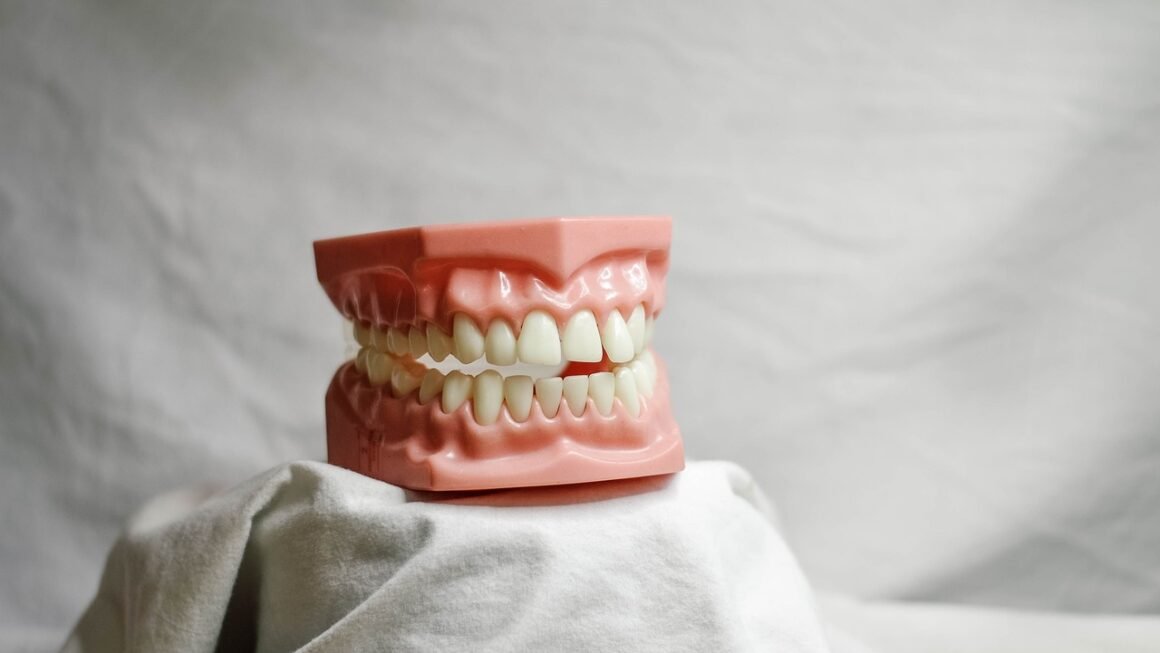
Maintaining a healthy and radiant smile is more than just brushing your teeth; it’s an investment in your overall well-being. Proper dental care not only prevents cavities and gum disease but also contributes to your confidence and overall health. This guide delves into essential dental care tips to help you achieve and maintain optimal oral hygiene, ensuring a bright, healthy smile for years to come.
The Importance of Brushing and Flossing
A foundational aspect of good dental care is consistently practicing effective brushing and flossing techniques. These habits work synergistically to remove plaque and food particles, preventing the buildup that leads to dental problems.
Brushing Techniques and Timing
- Frequency: Brush your teeth at least twice a day, once in the morning and once before bed. The bedtime brushing is particularly crucial as it removes accumulated plaque and bacteria from the day.
- Technique: Use a soft-bristled toothbrush and fluoride toothpaste. Angle the brush at 45 degrees towards the gumline and use gentle, circular motions. Avoid scrubbing vigorously, which can damage your gums and enamel.
- Duration: Spend at least two minutes brushing, ensuring you reach all surfaces of each tooth. A helpful tip is to divide your mouth into quadrants and spend 30 seconds on each.
- Toothbrush Care: Replace your toothbrush every three months, or sooner if the bristles are frayed. Rinse your toothbrush thoroughly after each use and store it upright to air dry. Bacteria love a moist environment!
The Power of Flossing
- Purpose: Flossing removes plaque and food particles from between teeth and under the gumline, areas that your toothbrush can’t reach.
- Technique: Use about 18 inches of floss, winding most of it around your middle fingers, leaving a few inches to work with. Gently guide the floss between your teeth using a sawing motion. Curve the floss into a “C” shape against each tooth and slide it gently under the gumline.
- Frequency: Floss at least once a day, preferably before brushing, to loosen plaque and debris so the toothpaste can more effectively clean these areas.
- Alternative Flossing Methods: If you find traditional flossing difficult, consider using interdental brushes or water flossers, which can be easier to maneuver and are especially helpful for people with braces or bridges.
Diet and Dental Health
What you eat significantly impacts your dental health. Sugary and acidic foods can erode tooth enamel and contribute to tooth decay.
Foods to Limit or Avoid
- Sugary Drinks: Sodas, juices, and sports drinks are high in sugar, which bacteria in your mouth use to produce acids that attack tooth enamel.
- Sticky Foods: Candies, caramels, and dried fruits cling to teeth, providing a prolonged source of sugar for bacteria.
- Acidic Foods: Citrus fruits, tomatoes, and vinegar can erode tooth enamel over time.
- Starchy Foods: Processed carbohydrates like white bread and potato chips break down into sugars in the mouth.
Foods to Promote Dental Health
- Water: Drinking plenty of water helps rinse away food particles and bacteria, keeping your mouth hydrated and promoting saliva production.
- Crunchy Fruits and Vegetables: Apples, carrots, and celery stimulate saliva flow, which neutralizes acids and helps clean teeth.
- Dairy Products: Milk, cheese, and yogurt are rich in calcium and phosphorus, which help strengthen tooth enamel.
- Leafy Greens: Spinach, kale, and other leafy greens are packed with vitamins and minerals essential for oral health.
Smart Snacking Tips
- Choose healthy snacks like fruits, vegetables, nuts, or cheese instead of sugary or processed options.
- Rinse your mouth with water after eating sugary or acidic foods to help neutralize acids and remove food particles.
- Chew sugar-free gum after meals to stimulate saliva flow.
Regular Dental Checkups
Even with excellent at-home care, regular visits to your dentist are crucial for maintaining optimal dental health.
Why Regular Checkups Matter
- Early Detection: Dentists can detect early signs of cavities, gum disease, and other oral health problems before they become more serious and require extensive treatment.
- Professional Cleaning: Dental hygienists remove plaque and tartar buildup that you can’t remove at home, reducing the risk of gum disease and tooth decay.
- Oral Cancer Screening: Dentists routinely screen for oral cancer, which can be effectively treated if detected early.
- Personalized Advice: Your dentist can provide personalized recommendations for your specific oral health needs, including advice on brushing and flossing techniques, diet, and the use of fluoride.
Frequency of Dental Visits
- Most adults should visit the dentist every six months for a checkup and cleaning.
- Individuals with a higher risk of dental problems, such as those with gum disease, diabetes, or a history of cavities, may need to visit more frequently.
- Children should also start visiting the dentist regularly from a young age, typically around their first birthday or when their first tooth erupts.
Addressing Specific Concerns
Dental care isn’t one-size-fits-all. Addressing specific concerns with tailored solutions is essential.
Sensitivity
- Causes: Tooth sensitivity can be caused by enamel erosion, receding gums, tooth decay, or cracked teeth.
- Solutions: Use desensitizing toothpaste, which contains ingredients that block the transmission of pain signals to the nerves in your teeth. Avoid acidic foods and drinks. Consider professional fluoride treatments or dental procedures to address the underlying cause of sensitivity.
Bad Breath (Halitosis)
- Causes: Bad breath is often caused by poor oral hygiene, dry mouth, or underlying medical conditions.
- Solutions: Brush and floss regularly, including your tongue, where bacteria can accumulate. Stay hydrated by drinking plenty of water. Use mouthwash to kill bacteria and freshen breath. If bad breath persists, consult your dentist or physician to rule out any underlying medical conditions.
Teeth Whitening
- Options: Teeth whitening can be achieved through professional in-office treatments, at-home whitening kits, or whitening toothpaste.
- Considerations: Professional treatments are typically more effective and provide faster results. At-home kits should be used under the guidance of your dentist to avoid damaging your enamel. Whitening toothpaste can help remove surface stains but may not significantly lighten the overall color of your teeth.
Conclusion
Prioritizing dental care is paramount for maintaining a healthy and vibrant smile, which contributes significantly to overall well-being. By consistently implementing these dental care tips into your daily routine – proper brushing and flossing, a balanced diet, regular dental checkups, and addressing specific concerns – you can proactively safeguard your oral health and enjoy the confidence that comes with a bright, healthy smile. Remember, proactive dental care is an investment that pays dividends in your overall health and quality of life.