Maintaining excellent oral hygiene is much more than just flashing a bright smile; it’s a cornerstone of overall health and well-being. From preventing cavities and gum disease to safeguarding against more serious systemic illnesses, a consistent and effective oral hygiene routine is an investment in your future health. Let’s delve into the essential steps and best practices to help you achieve and maintain a healthy, radiant smile.
The Foundation: Brushing Technique
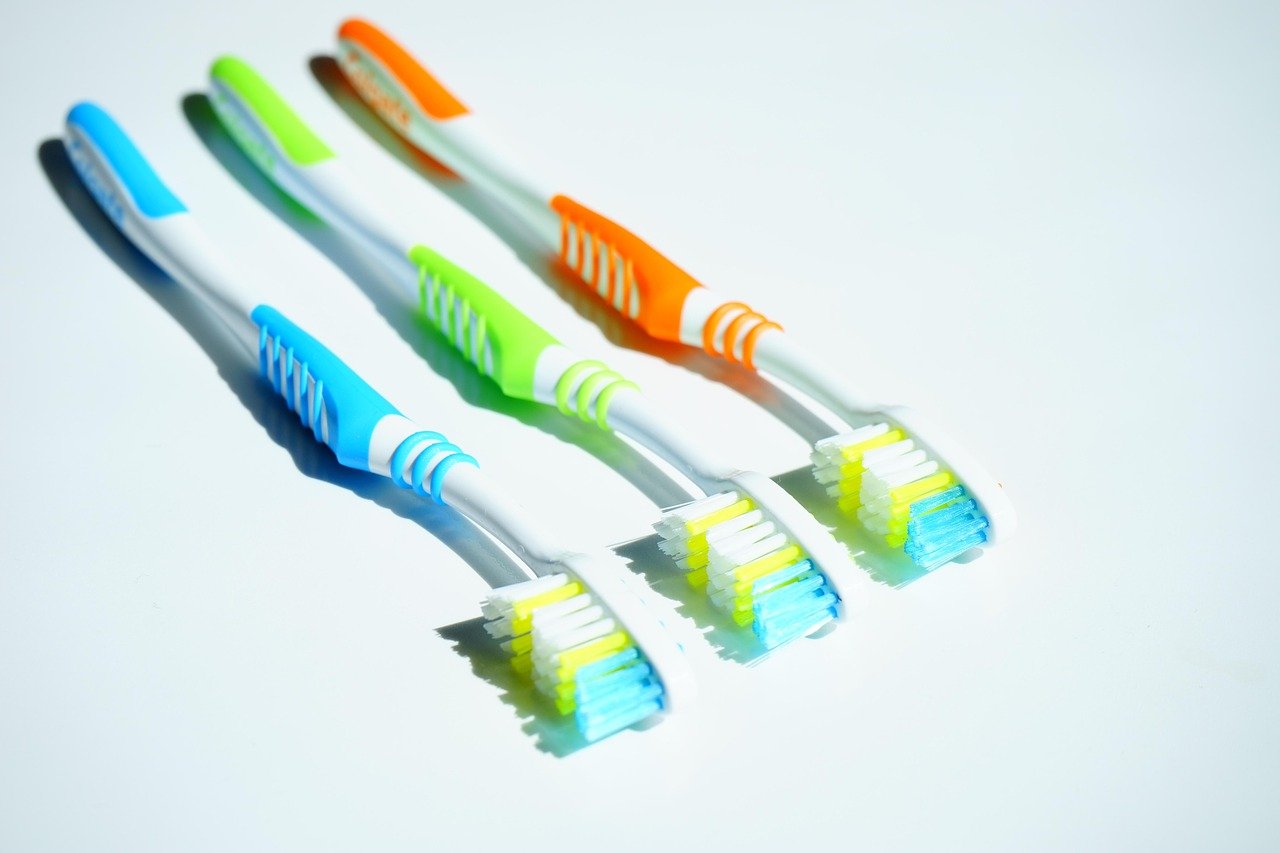
Choosing the Right Toothbrush
- Soft-bristled brush: Essential for effective cleaning without damaging gums or enamel. Hard bristles can actually wear away your teeth over time.
- Size matters: Select a brush head that fits comfortably in your mouth, allowing you to reach all surfaces easily.
- Electric vs. Manual: Both are effective if used correctly. Electric toothbrushes often have built-in timers and pressure sensors, making it easier to brush effectively. Consider investing in an electric toothbrush if you tend to rush or brush too hard.
Mastering the Brushing Method
- Timing is key: Brush for a full two minutes, twice daily. Many electric toothbrushes have timers to ensure you brush for the recommended duration.
- Angle and movement: Hold the brush at a 45-degree angle to your gums. Use short, gentle, circular motions. Avoid scrubbing back and forth, which can damage gums.
- Don’t forget any surfaces: Make sure to brush the outer, inner, and chewing surfaces of each tooth.
- Clean your tongue: Gently brush your tongue to remove bacteria and freshen breath.
- Practical Example: Visualize dividing your mouth into four quadrants (upper right, upper left, lower right, lower left). Spend 30 seconds on each quadrant, focusing on brushing all surfaces.
Flossing: Reaching Where Brushes Can’t
Why Floss?
- Removes plaque and food particles: Flossing cleans between teeth where your toothbrush can’t reach, preventing plaque buildup and cavities.
- Prevents gum disease (gingivitis and periodontitis): By removing plaque at the gumline, flossing helps prevent inflammation and infection of the gums. Studies show that regular flossing can significantly reduce the risk of gum disease.
- Freshens breath: Removes trapped food particles that contribute to bad breath.
Flossing Technique
- Use about 18 inches of floss: Wind most of the floss around your middle fingers, leaving a few inches to work with.
- Gently guide the floss between your teeth: Use a sawing motion to get past the contact point, avoiding snapping the floss down on your gums.
- Curve the floss into a “C” shape around each tooth: Gently slide the floss up and down, reaching just below the gumline.
- Use a clean section of floss for each tooth.
- Practical Example: If you find traditional flossing difficult, consider using floss picks or interdental brushes. They can be easier to handle, especially for individuals with limited dexterity.
Mouthwash: An Added Layer of Protection
Types of Mouthwash
- Fluoride mouthwash: Helps strengthen tooth enamel and prevent cavities.
- Antiseptic mouthwash: Kills bacteria that cause bad breath and gum disease. Chlorhexidine mouthwash is a powerful antiseptic option, but should only be used as directed by a dentist due to potential side effects like staining.
- Cosmetic mouthwash: Primarily freshens breath but doesn’t offer significant therapeutic benefits.
How to Use Mouthwash
- Rinse after brushing and flossing: This helps to remove any remaining debris and allows the active ingredients to reach all areas of your mouth.
- Use the recommended amount: Follow the instructions on the mouthwash bottle.
- Swish for 30-60 seconds: Ensure the mouthwash reaches all areas of your mouth.
- Avoid eating or drinking for 30 minutes after rinsing: This allows the mouthwash to work effectively.
- Practical Example: If you’re prone to cavities, choose a fluoride mouthwash. If you’re concerned about bad breath, opt for an antiseptic mouthwash.
Diet and Oral Health
Foods to Limit
- Sugary foods and drinks: These are the primary fuel for bacteria that cause tooth decay. Limit your intake of candy, soda, and processed foods.
- Acidic foods and drinks: These can erode tooth enamel. Be mindful of citrus fruits, vinegar, and carbonated beverages.
- Sticky foods: These cling to teeth and provide a breeding ground for bacteria. Examples include caramel, gummy candies, and dried fruits.
Foods to Embrace
- Water: Helps rinse away food particles and keeps your mouth hydrated.
- Crunchy fruits and vegetables: Stimulate saliva production, which helps neutralize acids and clean teeth.
- Dairy products: Rich in calcium and phosphorus, which are essential for strong teeth. Cheese can also help neutralize acids in the mouth.
- Practical Example: After consuming sugary or acidic foods, rinse your mouth with water to help neutralize the effects. Consider chewing sugar-free gum after meals to stimulate saliva flow.
Regular Dental Check-ups
The Importance of Professional Cleaning
- Removes plaque and tartar: Professional cleanings remove hardened plaque (tartar) that you can’t remove with brushing and flossing.
- Detects early signs of dental problems: Dentists can identify cavities, gum disease, and other oral health issues in their early stages, when they are easier to treat.
- Provides personalized advice: Your dentist can assess your oral health and recommend specific strategies for improving your oral hygiene routine.
Frequency of Visits
- Generally, visit your dentist every six months: However, your dentist may recommend more frequent visits if you have a history of dental problems or are at high risk for gum disease.
- Practical Example:* Don’t wait until you have a toothache to see your dentist. Regular check-ups can prevent problems before they become painful and costly.
Conclusion
Establishing and maintaining a consistent oral hygiene routine is paramount for a healthy smile and overall well-being. By incorporating proper brushing and flossing techniques, using mouthwash appropriately, being mindful of your diet, and scheduling regular dental check-ups, you can significantly reduce your risk of dental problems and enjoy the confidence of a bright, healthy smile for years to come. Make oral hygiene a priority – your health will thank you for it!