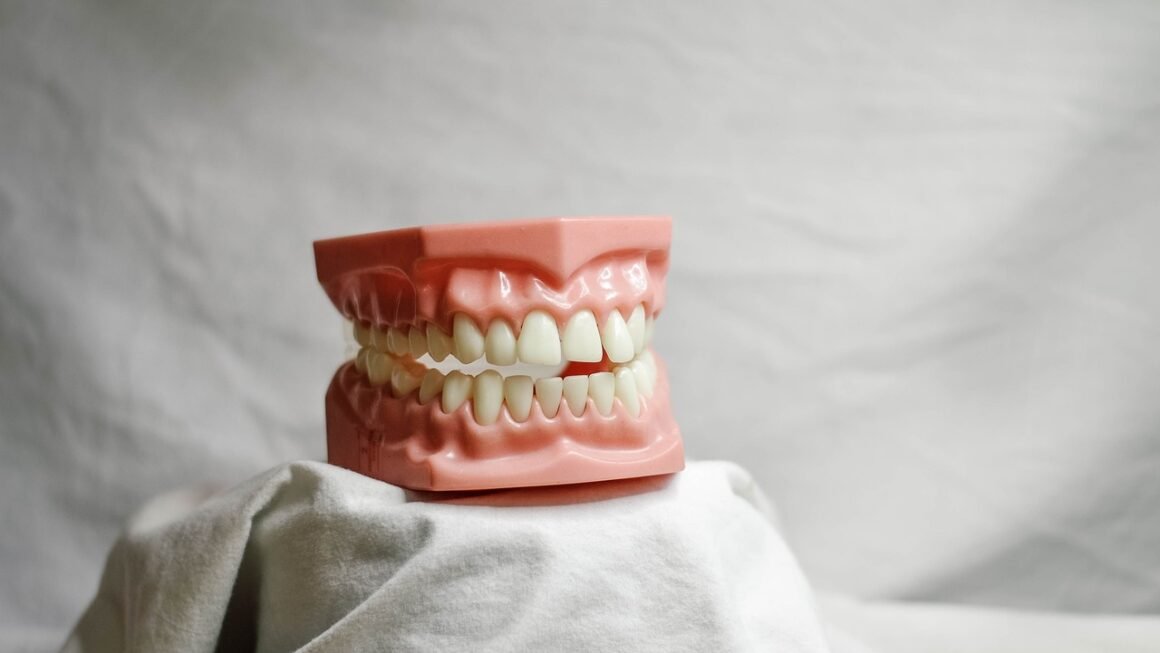
Oral health is more than just a pretty smile; it’s a cornerstone of overall well-being. From preventing cavities and gum disease to impacting your confidence and even systemic health, proper oral care is essential. Choosing the right oral care products can feel overwhelming with the sheer variety available. This comprehensive guide will navigate you through the essential products, ingredients, and best practices to help you achieve a healthy and radiant smile.
Understanding the Essentials of Oral Care Products
Toothbrushes: Manual vs. Electric
The foundation of any oral care routine is a good toothbrush. The choice between manual and electric often comes down to personal preference, but both are effective when used correctly.
- Manual Toothbrushes: Affordable and readily available. Look for soft bristles to avoid damaging enamel and gums. Replace every 3 months, or sooner if bristles are frayed.
Example: A soft-bristled manual toothbrush with a small head allows for better access to hard-to-reach areas.
- Electric Toothbrushes: Offer features like timers, pressure sensors, and rotating/oscillating heads for enhanced cleaning.
Example: An electric toothbrush with a two-minute timer ensures you brush for the dentist-recommended duration, while a pressure sensor prevents over-brushing. Some studies suggest electric toothbrushes can be more effective at removing plaque, particularly for those with limited dexterity.
Toothpaste: Ingredients and Types
Toothpaste helps remove plaque and debris while delivering beneficial ingredients to your teeth.
- Fluoride Toothpaste: The most common and recommended type. Fluoride strengthens enamel and helps prevent cavities. The American Dental Association (ADA) recommends using fluoride toothpaste.
Example: Choose a toothpaste with at least 1350 ppm of fluoride for optimal cavity protection, especially if you are prone to cavities.
- Whitening Toothpaste: Contains abrasives to remove surface stains. Can be effective for light staining, but may cause sensitivity with prolonged use.
Example: Use whitening toothpaste in moderation, alternating with regular fluoride toothpaste, to minimize potential sensitivity.
- Sensitivity Toothpaste: Formulated with ingredients like potassium nitrate or stannous fluoride to block pain signals.
Example: If you experience sensitivity to hot or cold, use sensitivity toothpaste twice daily for at least two weeks to see if it helps.
- Tartar Control Toothpaste: Contains ingredients to help prevent tartar buildup.
Example: While these toothpastes can slow down tartar formation, they won’t remove existing tartar. Regular dental cleanings are still necessary.
Floss: The Interdental Cleaner
Flossing removes plaque and food particles from between teeth, where your toothbrush can’t reach.
- Types of Floss: Waxed, unwaxed, flavored, floss picks, and interdental brushes. Choose what you’ll use consistently.
- Flossing Technique: Use about 18 inches of floss, gently guiding it between your teeth and under the gum line.
Example: For those with tight spaces between their teeth, waxed floss or a floss pick might be easier to use.
- Interdental Brushes: Small brushes that fit between teeth. Useful for people with larger gaps or braces.
Example: Interdental brushes are excellent for cleaning around orthodontic appliances, bridges, and implants.
Specialized Oral Care Products
Mouthwash: Rinsing for Extra Protection
Mouthwash can supplement your brushing and flossing routine.
- Fluoride Mouthwash: Helps prevent cavities and strengthens enamel. Use after brushing, but avoid eating or drinking for 30 minutes.
Example: A daily fluoride rinse can be especially beneficial for people prone to cavities or those undergoing orthodontic treatment.
- Antiseptic Mouthwash: Contains ingredients like chlorhexidine or cetylpyridinium chloride to kill bacteria and reduce plaque and gingivitis.
Example: Chlorhexidine mouthwash is often prescribed after dental procedures to prevent infection. Use as directed by your dentist or hygienist, as long-term use can cause staining.
- Cosmetic Mouthwash: Freshens breath but doesn’t offer significant therapeutic benefits.
Example: Use cosmetic mouthwash as needed for a quick breath refresh, but don’t rely on it to replace brushing and flossing.
Tongue Scrapers: Removing Bacteria
The tongue can harbor bacteria that contribute to bad breath and oral health problems.
- Benefits of Tongue Scraping: Removes bacteria, food debris, and dead cells from the tongue’s surface.
- Types of Tongue Scrapers: Plastic or metal scrapers designed to gently remove buildup.
Example: Scrape your tongue from back to front after brushing to remove bacteria and freshen breath.
Dental Picks and Sticks: Targeted Cleaning
Dental picks and sticks can help remove food particles from hard-to-reach areas.
- Uses: Removing trapped food, stimulating gums.
- Caution: Use with care to avoid damaging gums.
Oral Care Products for Specific Needs
Braces and Orthodontic Appliances
- Interdental Brushes: Essential for cleaning around brackets and wires.
- Orthodontic Toothbrushes: Designed with a V-shaped bristle pattern to clean around braces.
- Water Flossers: Can help flush out food particles from hard-to-reach areas.
Example: A water flosser can be a great addition to your routine when wearing braces, helping to remove food particles around the brackets and wires that regular flossing might miss.
Dentures and Partial Dentures
- Denture Brush: Specifically designed for cleaning dentures.
- Denture Cleanser: Soaks dentures to remove stains and bacteria.
- Adhesive: Secures dentures in place.
Example: Clean your dentures daily with a denture brush and cleanser, and soak them overnight in a denture-soaking solution.
Sensitive Teeth
- Sensitivity Toothpaste: As mentioned above, these toothpastes contain ingredients to block pain signals.
- Soft-Bristled Toothbrush: Minimizes irritation to sensitive gums and enamel.
- Fluoride Mouthwash: Can help strengthen enamel and reduce sensitivity.
Example: Use a soft-bristled toothbrush with sensitivity toothpaste and avoid abrasive whitening products.
Choosing the Right Products: Key Considerations
Consult Your Dentist
- The best way to determine the right oral care products for you is to consult your dentist or hygienist.
- They can assess your individual needs and recommend specific products and techniques.
Read Labels and Ingredients
- Pay attention to the ingredients in your oral care products.
- Look for products that are ADA-accepted.
Consider Your Budget
- Oral care products range in price.
- Find products that fit your budget and needs.
Example: While electric toothbrushes can be pricier upfront, they may offer long-term benefits for your oral health. Consider them an investment.
Conclusion
Selecting the right oral care products is a vital step in maintaining a healthy and beautiful smile. By understanding the different types of products available, their benefits, and how to use them correctly, you can create an effective oral hygiene routine that meets your individual needs. Remember to consult your dentist for personalized recommendations and to stay consistent with your routine for optimal oral health. Taking care of your teeth and gums is an investment in your overall well-being.