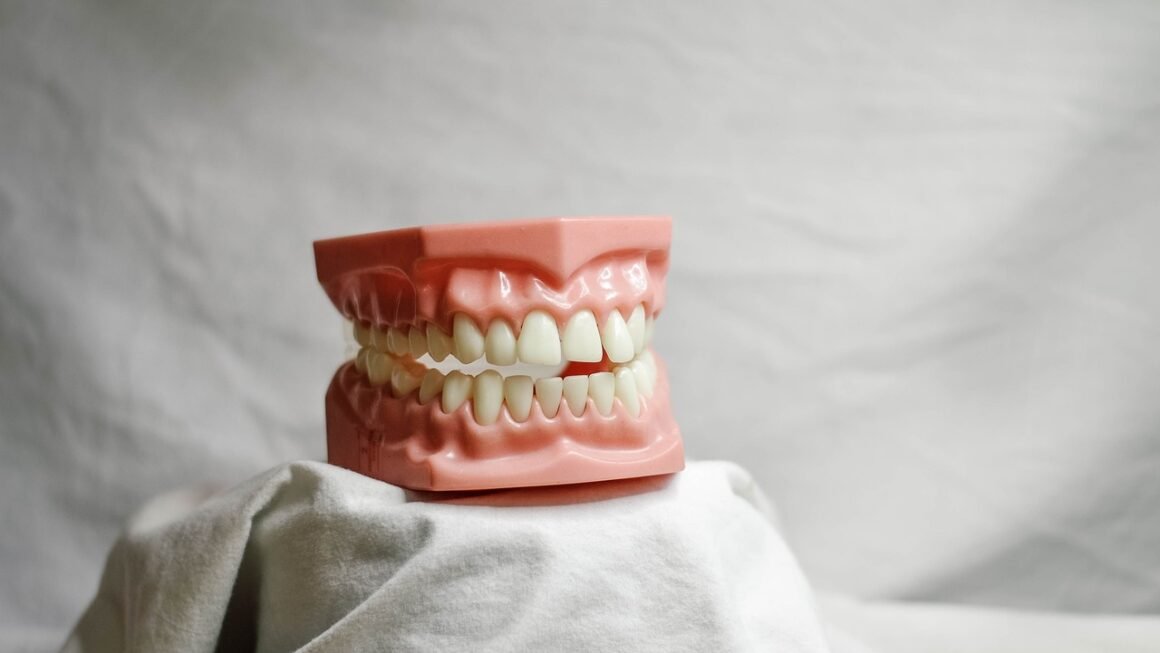
Maintaining excellent dental hygiene as an adult is crucial for a healthy smile, fresh breath, and overall well-being. It’s about more than just brushing your teeth; it’s a comprehensive approach that includes various practices to keep your teeth and gums in top condition. Neglecting your oral health can lead to serious issues like cavities, gum disease, and even systemic health problems. This guide provides a thorough overview of dental hygiene for adults, offering practical tips and advice to help you maintain a healthy and confident smile for years to come.
The Importance of Regular Brushing
Choosing the Right Toothbrush
Selecting the appropriate toothbrush is the first step toward effective oral hygiene. Consider these factors:
- Bristle Type: Opt for a soft-bristled toothbrush. Hard bristles can damage your enamel and irritate your gums.
- Size and Shape: Choose a toothbrush head that allows you to easily reach all areas of your mouth, including the back teeth.
- Manual vs. Electric: Both manual and electric toothbrushes can effectively clean your teeth. Electric toothbrushes can be beneficial for those with dexterity issues, as they provide consistent brushing action. Consider a sonic toothbrush, which vibrates at a high frequency to loosen plaque.
Proper Brushing Technique
Using the correct brushing technique is just as important as having the right toothbrush. Here’s how to brush effectively:
- Angle: Hold your toothbrush at a 45-degree angle to your gums.
- Motion: Use gentle, circular motions to clean each tooth. Avoid scrubbing, as this can damage your enamel.
- Duration: Brush for at least two minutes, ensuring you reach all surfaces of each tooth. Many electric toothbrushes have built-in timers to help you brush for the recommended time.
- Frequency: Brush at least twice a day – once in the morning and once before bed. Brushing after meals can also be beneficial, especially after consuming sugary or acidic foods.
The Role of Fluoride Toothpaste
Fluoride is a crucial ingredient in toothpaste for protecting against cavities. Here’s why:
- Strengthens Enamel: Fluoride helps to remineralize and strengthen tooth enamel, making it more resistant to acid attacks from bacteria and sugars.
- Prevents Cavities: By strengthening enamel, fluoride effectively prevents the formation of cavities.
- Choose Wisely: Select a toothpaste that contains fluoride and is approved by a dental association (e.g., the American Dental Association). A good example would be a toothpaste containing stannous fluoride.
The Essential Role of Flossing
Why Flossing is Non-Negotiable
Flossing is a critical component of dental hygiene that often gets overlooked. Here’s why it’s so important:
- Removes Plaque and Food Particles: Flossing reaches areas that your toothbrush can’t, such as between your teeth and under the gumline, removing plaque and food particles.
- Prevents Gum Disease: Regular flossing helps prevent gingivitis (early gum disease) and periodontitis (advanced gum disease) by removing bacteria that cause inflammation.
- Reduces Bad Breath: By removing trapped food particles, flossing helps reduce bad breath.
Mastering the Flossing Technique
To floss effectively, follow these steps:
- Use the Right Amount of Floss: Break off about 18 inches of floss and wrap most of it around your middle fingers, leaving a few inches to work with.
- Gentle Guidance: Gently guide the floss between your teeth using a sawing motion. Avoid snapping the floss into your gums.
- Curve Around Each Tooth: Curve the floss around each tooth in a “C” shape and slide it up and down, going slightly below the gumline.
- Clean Each Tooth: Use a clean section of floss for each tooth to avoid spreading bacteria.
- Frequency: Floss at least once a day, preferably before bed.
Alternatives to Traditional Floss
If you find traditional flossing difficult, consider these alternatives:
- Floss Picks: These are small, pre-threaded flossers that are easy to handle.
- Interdental Brushes: These small brushes can reach between teeth to remove plaque and debris.
- Water Flossers: These devices use a stream of water to clean between teeth and along the gumline. Studies show that water flossers can be as effective as string floss in removing plaque and reducing gingivitis.
The Power of Mouthwash
Choosing the Right Mouthwash
Mouthwash can supplement your brushing and flossing routine. Here’s how to choose the right one:
- Fluoride Mouthwash: This helps strengthen enamel and prevent cavities.
- Antiseptic Mouthwash: This kills bacteria and reduces plaque buildup. Look for ingredients like chlorhexidine (prescription only) or cetylpyridinium chloride (CPC).
- Cosmetic Mouthwash: This freshens breath but doesn’t offer significant antibacterial or anti-plaque benefits.
- Alcohol-Free Mouthwash: This is a good option for people with dry mouth or those who find alcohol-based mouthwashes irritating.
Effective Mouthwash Usage
To get the most out of mouthwash, follow these steps:
- Timing: Use mouthwash after brushing and flossing.
- Amount: Use the amount specified on the product label (usually around 20 ml).
- Duration: Swish the mouthwash around in your mouth for 30-60 seconds, ensuring it reaches all areas.
- Avoid Rinsing: Do not rinse your mouth with water immediately after using mouthwash, as this can wash away the active ingredients.
Benefits of Using Mouthwash
Incorporating mouthwash into your routine can provide several benefits:
- Freshens Breath: Mouthwash helps kill bacteria that cause bad breath, leaving your mouth feeling fresh.
- Reduces Plaque and Gingivitis: Antiseptic mouthwashes can help reduce plaque buildup and prevent gingivitis.
- Strengthens Enamel: Fluoride mouthwashes can help strengthen tooth enamel and prevent cavities.
Diet and Dental Health
Foods to Embrace for Strong Teeth
What you eat significantly impacts your dental health. Incorporate these foods into your diet:
- Calcium-Rich Foods: Dairy products (milk, cheese, yogurt) are excellent sources of calcium, which is essential for strong teeth and bones.
- Crunchy Fruits and Vegetables: Apples, carrots, and celery help scrub your teeth clean and stimulate saliva production, which neutralizes acids.
- Leafy Greens: Spinach and kale are rich in vitamins and minerals that support oral health.
- Water: Drinking plenty of water helps wash away food particles and keeps your mouth hydrated, promoting saliva production.
Foods to Limit or Avoid
Certain foods can harm your teeth and gums. Minimize your consumption of these:
- Sugary Foods and Drinks: Sugary snacks and beverages feed bacteria in your mouth, leading to acid production and an increased risk of cavities.
- Acidic Foods and Drinks: Citrus fruits, sodas, and energy drinks can erode tooth enamel over time.
- Sticky Foods: Sticky candies and dried fruits cling to your teeth, making it harder to remove them and increasing the risk of decay.
The Importance of Hydration
Staying hydrated is essential for maintaining healthy saliva flow. Saliva helps:
- Neutralize Acids: Saliva neutralizes acids produced by bacteria, protecting your enamel.
- Wash Away Food Particles: Saliva helps wash away food particles and debris.
- Remineralize Enamel: Saliva contains minerals that help remineralize tooth enamel.
Regular Dental Check-ups and Professional Cleanings
The Significance of Routine Visits
Regular dental check-ups and professional cleanings are vital for maintaining optimal dental health. These visits allow your dentist to:
- Detect Problems Early: Your dentist can identify early signs of cavities, gum disease, and other oral health issues before they become more serious.
- Provide Professional Cleaning: A dental hygienist can remove plaque and tartar buildup that you can’t remove at home. This buildup can lead to cavities and gum disease.
- Offer Personalized Advice: Your dentist can provide personalized advice on how to improve your oral hygiene routine based on your specific needs.
What to Expect During a Dental Check-up
During a typical dental check-up, you can expect:
- Examination: Your dentist will examine your teeth, gums, and mouth for signs of decay, gum disease, and other problems.
- X-rays: X-rays may be taken to detect cavities, bone loss, and other issues that aren’t visible to the naked eye.
- Cleaning: A dental hygienist will clean your teeth, removing plaque and tartar buildup.
- Fluoride Treatment: A fluoride treatment may be applied to strengthen your enamel and prevent cavities.
How Often to Visit the Dentist
The recommended frequency for dental check-ups is typically every six months. However, your dentist may recommend more frequent visits if you have:
- Gum Disease: More frequent cleanings and check-ups can help manage and prevent the progression of gum disease.
- A History of Cavities: More frequent visits can help detect and treat cavities early.
- Certain Medical Conditions: Some medical conditions, such as diabetes, can increase your risk of oral health problems, requiring more frequent dental care.
Addressing Specific Dental Concerns
Managing Sensitive Teeth
Sensitive teeth can be triggered by hot, cold, sweet, or acidic foods and drinks. Here’s how to manage them:
- Use Desensitizing Toothpaste: These toothpastes contain ingredients that block pain signals to the nerves in your teeth.
- Avoid Acidic Foods and Drinks: Acid can erode enamel, making your teeth more sensitive.
- Use a Soft-Bristled Toothbrush: This can help prevent further enamel erosion.
- See Your Dentist: Your dentist can recommend other treatments, such as fluoride varnish or dental sealants, to help reduce sensitivity.
Preventing and Treating Dry Mouth
Dry mouth (xerostomia) occurs when your salivary glands don’t produce enough saliva. This can increase your risk of cavities and gum disease. Here’s how to manage it:
- Stay Hydrated: Drink plenty of water throughout the day.
- Use Saliva Substitutes: These products can help keep your mouth moist.
- Chew Sugar-Free Gum: This stimulates saliva production.
- Avoid Alcohol and Caffeine: These substances can dehydrate you and worsen dry mouth.
- Talk to Your Doctor: Some medications can cause dry mouth as a side effect. Your doctor may be able to adjust your medication or recommend other treatments.
Dealing with Bad Breath
Bad breath (halitosis) can be caused by poor oral hygiene, dry mouth, certain foods, or underlying medical conditions. Here’s how to address it:
- Improve Oral Hygiene: Brush and floss regularly to remove plaque and food particles.
- Clean Your Tongue: Use a tongue scraper or toothbrush to remove bacteria from your tongue.
- Stay Hydrated: Drink plenty of water to prevent dry mouth.
- Avoid Strong-Smelling Foods: Garlic, onions, and other strong-smelling foods can cause bad breath.
- See Your Dentist: Your dentist can rule out any underlying dental problems that may be causing bad breath.
Conclusion
Maintaining excellent dental hygiene as an adult requires a consistent and comprehensive approach. By incorporating regular brushing, flossing, and mouthwash use, along with a healthy diet and routine dental visits, you can significantly improve your oral health. Addressing specific concerns such as sensitive teeth, dry mouth, and bad breath will further contribute to a healthy and confident smile. Prioritizing your dental health is an investment in your overall well-being, leading to improved confidence, better health outcomes, and a brighter future.