Are you smiling confidently? Regular dental exams are more than just a quick check-up; they’re a cornerstone of maintaining excellent oral health and overall well-being. From detecting early signs of cavities to screening for oral cancer, these appointments are a proactive step towards a healthy and radiant smile. This comprehensive guide will delve into everything you need to know about dental exams, ensuring you’re well-informed and prepared for your next visit.
Why are Regular Dental Exams Important?
Early Detection of Dental Problems
One of the most significant benefits of regular dental exams is the early detection of potential problems. Cavities, gum disease, and even oral cancer can be spotted in their early stages, making treatment simpler, less invasive, and more cost-effective.
- Cavities: Small cavities can often be treated with a simple filling. Ignoring them can lead to root canals or even tooth extraction. For example, a dentist can see evidence of enamel erosion on a tooth surface which might not be visible to the naked eye.
- Gum Disease: Early-stage gum disease (gingivitis) is often reversible with improved oral hygiene and professional cleaning. Untreated gingivitis can progress to periodontitis, which can lead to tooth loss. A dentist will look for inflammation, bleeding gums, and pocket depths around your teeth.
- Oral Cancer: Dental exams include a screening for oral cancer. Early detection significantly improves the chances of successful treatment. The dentist will examine the soft tissues of your mouth, looking for any unusual lumps, sores, or discolored patches.
Preventing More Serious Issues
Consistent dental care goes beyond addressing existing problems. It’s about preventing future issues and maintaining long-term oral health. This preventative approach can save you time, money, and discomfort in the long run.
- Professional Cleaning: Dentists and hygienists remove plaque and tartar buildup that can’t be eliminated with regular brushing and flossing. This reduces the risk of cavities and gum disease.
- Fluoride Treatments: Fluoride strengthens tooth enamel, making it more resistant to decay.
- Oral Hygiene Education: Your dentist or hygienist can provide personalized advice on brushing and flossing techniques, dietary habits, and other factors that impact your oral health. They can also assess your risk for dental decay.
Monitoring Overall Health
Your oral health is closely linked to your overall health. Dental exams can sometimes reveal signs of systemic diseases, such as diabetes or heart disease. Conditions like dry mouth can indicate issues with certain medications, or be a symptom of systemic disease.
- Diabetes: People with diabetes are more susceptible to gum disease, and vice versa.
- Heart Disease: Some studies have linked gum disease to an increased risk of heart disease.
- Osteoporosis: Bone loss in the jaw can be an early sign of osteoporosis.
What to Expect During a Dental Exam
Comprehensive Visual Examination
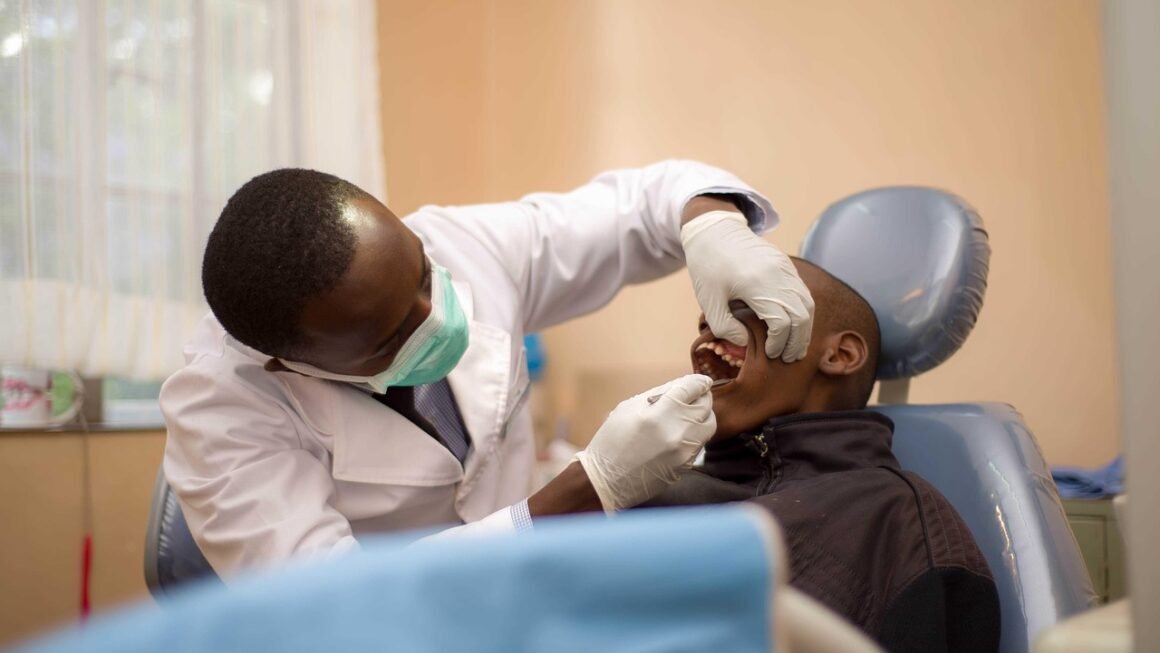
The dental exam typically begins with a comprehensive visual examination of your teeth, gums, and other oral tissues. The dentist will use a mirror and other instruments to carefully inspect each tooth for signs of decay, cracks, or other abnormalities.
- Checking for Cavities: The dentist will use a probe to check for soft spots or areas of enamel erosion.
- Examining Existing Restorations: They will assess the condition of fillings, crowns, and other restorations.
- Evaluating Gum Health: The dentist will look for signs of inflammation, bleeding, and recession.
Dental X-Rays
X-rays are an essential part of a comprehensive dental exam. They allow the dentist to see areas that are not visible during a visual examination, such as cavities between teeth, impacted teeth, and bone loss.
- Types of X-Rays: Common types of dental X-rays include bitewings (to check for cavities between teeth), periapicals (to view the entire tooth and surrounding bone), and panoramic X-rays (to get a comprehensive view of the entire mouth).
- Frequency of X-Rays: The frequency of X-rays depends on your individual risk factors and dental history. Your dentist will recommend the appropriate schedule for you. For adults with good oral health, bitewing x-rays every 12-24 months is typical.
- Radiation Safety: Modern dental X-rays use very low levels of radiation. Your dentist will take precautions to minimize your exposure, such as using a lead apron.
Periodontal Examination (Gum Evaluation)
A periodontal examination assesses the health of your gums and supporting bone. The dentist or hygienist will use a probe to measure the depth of the pockets between your teeth and gums.
- Pocket Depth Measurements: Healthy gums typically have pocket depths of 1-3 millimeters. Deeper pockets can indicate gum disease.
- Bleeding on Probing: Bleeding when the gums are probed is another sign of inflammation and gum disease.
- Assessing Bone Loss: X-rays can also reveal bone loss around the teeth, which is a sign of advanced gum disease.
Oral Cancer Screening
During the oral cancer screening, the dentist will examine the soft tissues of your mouth, including your lips, tongue, cheeks, and throat. They will look for any unusual lumps, sores, or discolored patches.
- Visual Examination: The dentist will visually inspect your mouth and throat.
- Palpation: They may also feel for any lumps or abnormalities.
- Follow-Up if Needed: If the dentist finds anything suspicious, they may recommend a biopsy or referral to a specialist.
Preparing for Your Dental Exam
Medical History
Be prepared to provide your dentist with a complete medical history, including any medications you are taking, allergies, and medical conditions. This information is crucial for ensuring your safety and providing the best possible care.
- Medications: Some medications can affect your oral health. For example, some medications can cause dry mouth, which increases your risk of cavities.
- Allergies: Inform your dentist of any allergies, especially to medications, latex, or other dental materials.
- Medical Conditions: Certain medical conditions, such as diabetes or heart disease, can impact your oral health and treatment plan.
List of Concerns
Make a list of any concerns or questions you have about your oral health. This will help you make the most of your appointment and ensure that all of your needs are addressed.
- Pain or Sensitivity: Be sure to tell your dentist about any pain or sensitivity you are experiencing.
- Bleeding Gums: If your gums bleed when you brush or floss, let your dentist know.
- Bad Breath: Persistent bad breath can be a sign of underlying dental problems.
Insurance Information
Bring your dental insurance card with you to your appointment. This will help the office process your claim and determine your out-of-pocket costs. Make sure you understand your plan’s coverage for preventative services, such as dental exams and cleanings.
How Often Should You Get a Dental Exam?
General Guidelines
The general recommendation is to get a dental exam and cleaning every six months. However, the frequency of your visits may vary depending on your individual needs and risk factors.
- High-Risk Patients: People with a history of cavities, gum disease, or other oral health problems may need to visit the dentist more frequently.
- Low-Risk Patients: Individuals with excellent oral hygiene and no history of dental problems may be able to go longer between visits.
Individual Risk Factors
Your dentist will assess your individual risk factors and recommend a personalized schedule for dental exams and cleanings. Some factors that can influence the frequency of your visits include:
- Diet: A diet high in sugar and processed foods can increase your risk of cavities.
- Oral Hygiene Habits: Poor brushing and flossing habits can lead to plaque and tartar buildup, increasing your risk of gum disease.
- Smoking: Smoking significantly increases your risk of gum disease and oral cancer.
- Medical Conditions: Certain medical conditions, such as diabetes, can impact your oral health.
Benefits of Regular Dental Cleanings
Removing Plaque and Tartar
Professional dental cleanings remove plaque and tartar buildup that can’t be eliminated with regular brushing and flossing. This helps prevent cavities and gum disease.
- Plaque: A sticky film of bacteria that constantly forms on your teeth.
- Tartar: Hardened plaque that can only be removed with professional cleaning.
Preventing Gum Disease
Regular cleanings help prevent gum disease by removing bacteria and toxins that can irritate the gums.
- Scaling and Root Planing: Deep cleaning procedures to remove plaque and tartar from below the gum line.
- Polishing: Removing stains and smoothing the tooth surface.
Freshening Breath and Improving Appearance
Cleanings can freshen your breath and remove stains, improving the overall appearance of your smile.
- Removing Surface Stains: Polishing can remove stains caused by coffee, tea, and other foods and beverages.
- Freshening Breath: Removing bacteria and debris can eliminate bad breath.
Conclusion
Regular dental exams are an investment in your overall health and well-being. By understanding the importance of these appointments and preparing for them effectively, you can ensure that you receive the best possible care and maintain a healthy, beautiful smile for years to come. Don’t wait for a problem to arise; schedule your dental exam today and take a proactive step towards a healthier future.