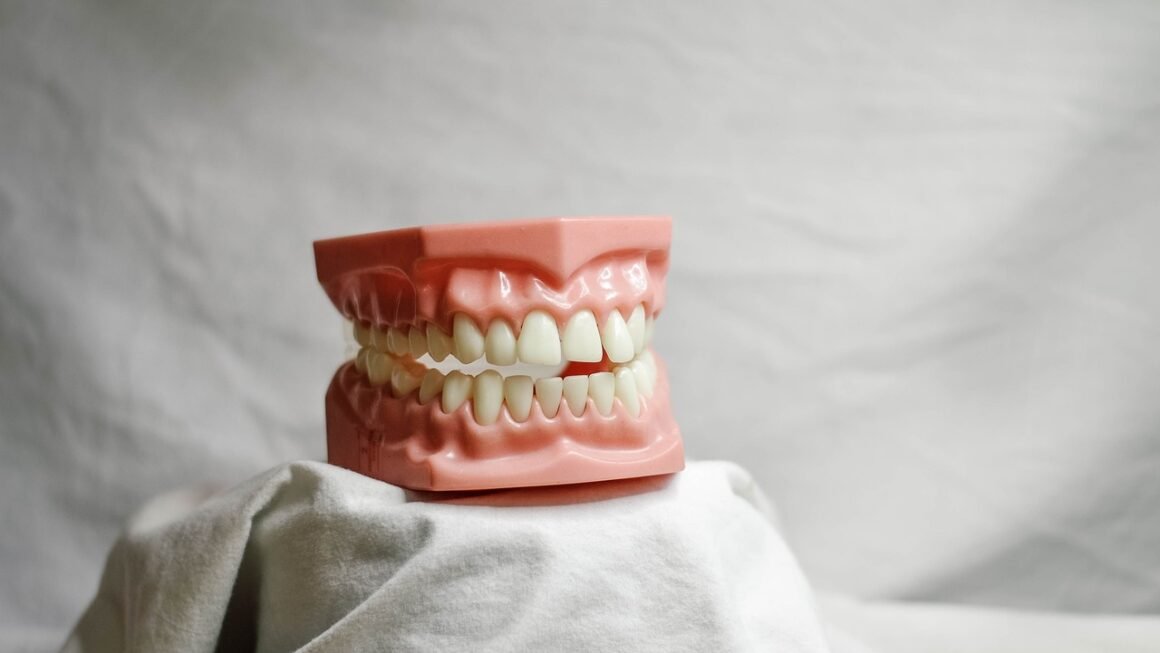
Dental sealants: A powerful shield against cavities for children and adults alike. These thin, plastic coatings are applied to the chewing surfaces of molars and premolars, effectively blocking out food particles and bacteria that can lead to decay. This proactive measure acts as a barrier, giving your teeth a fighting chance against the daily onslaught of sugars and acids. Keep reading to discover how dental sealants can protect your smile and save you money and discomfort in the long run.
What are Dental Sealants?
Definition and Composition
Dental sealants are thin, plastic coatings typically made from a BPA-free resin material. They are applied to the grooves and pits of the chewing surfaces of teeth, particularly molars and premolars. These areas are naturally susceptible to decay because they’re difficult to clean effectively with a toothbrush. The sealant material flows into these crevices, creating a smooth, protective surface.
How Sealants Work
Think of sealants as raincoats for your teeth. They create a physical barrier preventing bacteria and food particles from coming into direct contact with the tooth enamel. This stops the decay process before it can even begin. The sealant blocks the bacteria’s food source, depriving them of the nutrients they need to produce acid, the main culprit behind cavities.
Here’s a simplified breakdown:
- Cleaning: The tooth surface is thoroughly cleaned and dried.
- Etching: A mild acid solution is applied to roughen the surface, creating a better bond for the sealant.
- Rinsing and Drying: The acid is rinsed away, and the tooth is dried again.
- Sealant Application: The liquid sealant is painted onto the tooth surface and allowed to flow into the pits and fissures.
- Curing: A special curing light is used to harden the sealant, creating a durable shield.
Benefits of Dental Sealants
Preventing Tooth Decay
The primary benefit of dental sealants is their effectiveness in preventing tooth decay. Studies have shown that sealants can reduce the risk of cavities in molars by up to 80% when applied shortly after the teeth erupt. This is especially important for children and teenagers, as their newly erupted teeth are more vulnerable to decay.
Example: Consider a child who loves sugary snacks. Even with regular brushing, it’s difficult to remove all food particles from the deep grooves of their molars. A dental sealant acts as a barrier, preventing the sugars from feeding bacteria and leading to cavities.
Cost-Effectiveness
While there is an initial cost associated with dental sealants, they are highly cost-effective in the long run. By preventing cavities, sealants help avoid the need for more expensive treatments like fillings, root canals, and crowns. The savings from preventing these procedures can significantly outweigh the cost of the sealants themselves.
Non-Invasive Procedure
Applying dental sealants is a painless and non-invasive procedure. No drilling or anesthesia is required, making it a comfortable experience for patients of all ages. The process is quick and easy, usually taking only a few minutes per tooth. Most people feel no discomfort during or after the application.
Long-Lasting Protection
Dental sealants can last for several years, providing long-lasting protection against tooth decay. With proper care, sealants can remain effective for up to 10 years. Regular dental checkups are essential to ensure that the sealants are intact and functioning correctly. Your dentist can reapply or repair sealants as needed to maintain their protective barrier.
Who are Ideal Candidates for Sealants?
Children and Teenagers
Children and teenagers are the most common candidates for dental sealants. Their newly erupted molars and premolars are more susceptible to decay because the enamel is not yet fully mineralized. Sealants provide an extra layer of protection during this critical period.
Adults with Deep Grooves
Adults can also benefit from dental sealants, especially if they have deep grooves and pits in their teeth that are difficult to clean effectively. People with a history of cavities or those who are prone to tooth decay are also good candidates.
Example: An adult with a sweet tooth or someone with limited dexterity who has difficulty brushing thoroughly might benefit from sealants to prevent cavities.
Individuals with Special Needs
Individuals with special needs, such as those with disabilities or medical conditions that make oral hygiene challenging, can significantly benefit from dental sealants. They offer added protection against tooth decay when consistent and effective oral hygiene is difficult to achieve.
The Application Process
Preparation
The first step is a thorough examination of the teeth by your dentist. They will assess whether sealants are appropriate and identify the teeth that would benefit the most. Before applying the sealant, the teeth will be cleaned and dried meticulously to remove any plaque or debris.
Etching and Bonding
A mild acid solution is then applied to the chewing surface of the tooth. This etching process creates microscopic irregularities on the enamel, allowing the sealant to bond more effectively. The acid is rinsed off thoroughly, and the tooth is dried again.
Sealant Application and Curing
The liquid sealant material is carefully painted onto the tooth surface, ensuring it flows into all the grooves and pits. Once the sealant is in place, a special curing light is used to harden the material. This process typically takes only a few seconds per tooth.
Important Note: The whole procedure is painless and usually takes about 30 minutes for all molars.
Caring for Your Sealants
Regular Dental Checkups
It’s crucial to maintain regular dental checkups to ensure that your sealants remain intact and effective. Your dentist will examine the sealants during your routine visits and can reapply or repair them as needed.
Good Oral Hygiene Practices
While sealants provide a protective barrier, it’s still essential to maintain good oral hygiene practices. Brush your teeth at least twice a day with fluoride toothpaste and floss daily to remove plaque and food particles. A healthy diet low in sugary foods and drinks also plays a vital role in preventing tooth decay.
Avoiding Hard or Sticky Foods
To prolong the life of your sealants, avoid chewing on hard or sticky foods that could potentially damage them. Hard candies, ice, and sticky caramels can put undue stress on the sealants and cause them to chip or wear down over time.
Conclusion
Dental sealants are a simple, effective, and affordable way to protect your teeth from decay. They are particularly beneficial for children and teenagers but can also be valuable for adults. By creating a protective barrier against bacteria and food particles, sealants can significantly reduce the risk of cavities and save you from costly dental procedures in the future. Talk to your dentist about whether dental sealants are right for you and take the first step towards a healthier, brighter smile. Don’t wait for a cavity to strike – be proactive and protect your teeth with dental sealants today!