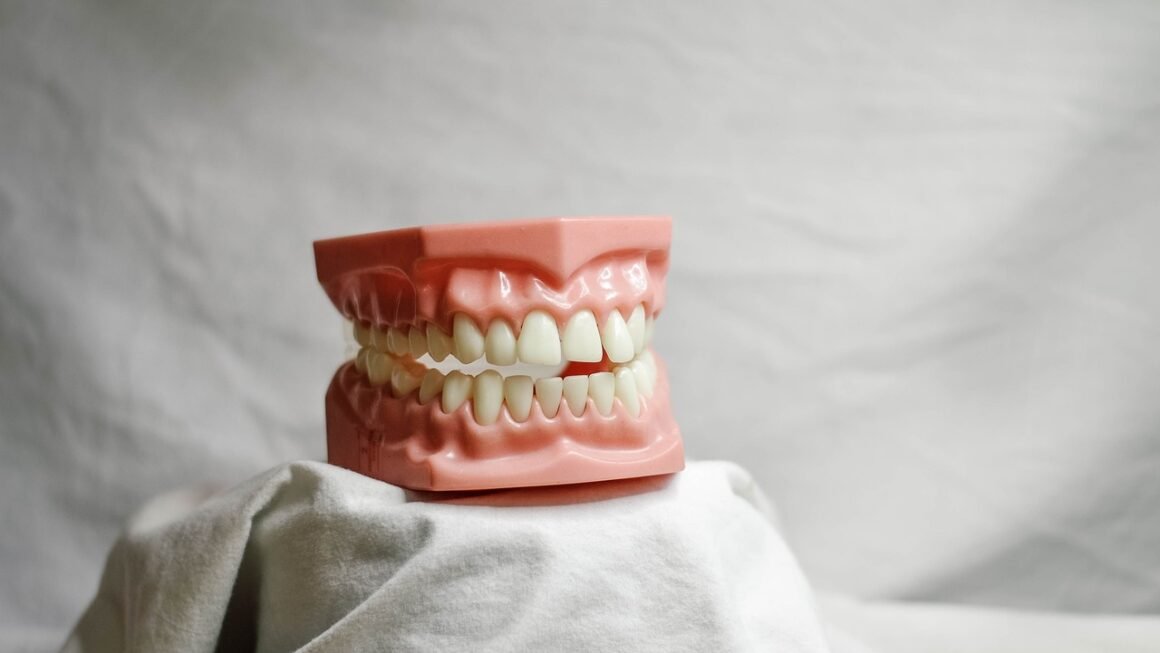
Maintaining a healthy and radiant smile is a goal many share, and while advanced treatments exist, the foundation of excellent oral hygiene remains remarkably simple: brushing your teeth twice a day. It’s a habit drilled into us since childhood, but understanding why it’s so crucial can motivate you to make it a non-negotiable part of your daily routine. This article will delve into the science-backed reasons behind the twice-daily brushing recommendation, explore the correct techniques, and address common concerns to help you achieve optimal oral health.
Why Brush Twice a Day?
The Biofilm Battle: Understanding Plaque
The primary reason for brushing twice a day revolves around plaque, a sticky film composed of bacteria that constantly forms on your teeth. This biofilm thrives on sugars and carbohydrates, metabolizing them into acids that attack tooth enamel, leading to cavities and gum disease.
- Plaque Accumulation: Plaque starts forming within hours of your last brushing. If left undisturbed, it hardens into tartar (calculus), which is much more difficult to remove and provides a haven for further bacterial growth.
- Acid Attacks: After eating or drinking, the bacteria in plaque produce acids that can demineralize tooth enamel for about 20-30 minutes. Brushing helps neutralize these acids and removes the plaque before significant damage occurs.
- Twice the Protection: Brushing in the morning helps remove plaque that accumulated overnight. Brushing before bed is crucial to remove food particles and plaque that built up throughout the day, preventing prolonged acid attacks during sleep when saliva flow is reduced.
Combating Bad Breath (Halitosis)
Bad breath, or halitosis, is often a consequence of bacterial activity in the mouth. Food particles trapped between teeth and on the tongue provide fuel for these bacteria, leading to the production of volatile sulfur compounds (VSCs) that cause unpleasant odors.
- Bacterial Breakdown: Anaerobic bacteria, which thrive in oxygen-deprived environments like the back of the tongue, are major contributors to bad breath.
- Food Debris Removal: Brushing, especially when coupled with tongue scraping, helps remove food debris and reduce the bacterial load, leading to fresher breath.
- Morning Freshness: Notice how your breath often feels less fresh in the morning? That’s because of the overnight accumulation of bacteria. Morning brushing helps combat this.
Mastering the Technique: Brushing for Success
Choosing the Right Tools
The effectiveness of brushing depends not only on frequency but also on using the right tools.
- Toothbrush Selection: Opt for a soft-bristled toothbrush. Medium or hard bristles can damage enamel and irritate gums. Consider an electric toothbrush, which can be more effective at removing plaque. Look for the American Dental Association (ADA) Seal of Acceptance.
Example: Consider a Philips Sonicare or Oral-B electric toothbrush, or a manual toothbrush like the Colgate 360 Charcoal toothbrush with soft bristles.
- Toothpaste Selection: Choose a fluoride toothpaste. Fluoride strengthens tooth enamel and helps prevent cavities. Consult with your dentist about prescription-strength fluoride toothpaste if you are at high risk for cavities.
Example: Crest Pro-Health or Colgate Total are popular fluoride toothpaste options.
- Interdental Cleaning Aids: Don’t forget about floss, interdental brushes, or water flossers for cleaning between teeth, where your toothbrush can’t reach.
The Proper Brushing Method
Use a systematic approach to ensure you clean all surfaces of your teeth effectively.
- Angle: Hold your toothbrush at a 45-degree angle to your gums.
- Motion: Use short, gentle, circular motions. Avoid scrubbing vigorously, as this can damage your gums and enamel.
- Coverage: Clean the outer, inner, and chewing surfaces of each tooth.
- Duration: Brush for at least two minutes. Use a timer or an electric toothbrush with a built-in timer to ensure you’re brushing long enough.
- Tongue Cleaning: Gently brush your tongue to remove bacteria and freshen breath. Consider using a tongue scraper.
Tip: Divide your mouth into quadrants and spend 30 seconds on each quadrant.
Addressing Common Concerns
“Is Brushing Too Much Harmful?”
While twice-daily brushing is recommended, excessive brushing or brushing with too much force can be detrimental.
- Enamel Erosion: Overbrushing, especially with hard-bristled toothbrushes or abrasive toothpaste, can erode enamel and lead to tooth sensitivity.
- Gum Recession: Aggressive brushing can also cause gums to recede, exposing the roots of your teeth.
- Solution: Use a soft-bristled toothbrush, gentle pressure, and a non-abrasive toothpaste. If you’re unsure about your brushing technique, ask your dentist or hygienist for guidance.
“What About After Eating Something Acidic?”
If you’ve consumed acidic foods or drinks (e.g., citrus fruits, soda), wait at least 30 minutes before brushing.
- Weakened Enamel: Acid temporarily softens tooth enamel, making it more vulnerable to abrasion during brushing.
- Saliva’s Role: Allowing saliva to neutralize the acid and remineralize the enamel before brushing is crucial.
- Alternative: Rinse your mouth with water or a fluoride mouthwash immediately after consuming acidic substances.
“I Bleed When I Brush – Is That Normal?”
Bleeding gums are not* normal and often indicate gum disease (gingivitis).
- Inflammation: Gum inflammation is caused by plaque and tartar buildup.
- Increased Blood Flow: Inflamed gums are more likely to bleed when brushed.
- Action: Improve your oral hygiene by brushing and flossing regularly. If bleeding persists, see your dentist for a professional cleaning and evaluation.
Brushing for Specific Needs
Braces and Orthodontic Appliances
Brushing with braces or other orthodontic appliances requires extra attention to remove plaque and food particles trapped around the brackets and wires.
- Specialized Brushes: Use an interdental brush to clean between the brackets and wires.
- Increased Frequency: Consider brushing after every meal or snack.
- Fluoride Rinse: Use a fluoride mouthwash to help protect against cavities.
Dentures and Partial Dentures
Even with dentures, maintaining good oral hygiene is important to prevent gum disease and infections.
- Remove and Clean: Remove dentures and clean them daily with a denture brush and denture cleanser.
- Mouth Care: Brush your gums, tongue, and palate with a soft-bristled toothbrush.
- Soaking: Soak dentures overnight in a denture-cleaning solution.
Conclusion
Adopting a consistent habit of brushing your teeth twice daily is a simple yet powerful step towards maintaining a healthy and attractive smile. By understanding the science behind this recommendation, mastering the correct technique, and addressing any specific concerns, you can effectively protect your teeth and gums from plaque, cavities, and other oral health problems. Make brushing twice a day a priority and enjoy the confidence that comes with a healthy, bright smile. Remember to schedule regular check-ups with your dentist for professional cleanings and personalized advice.