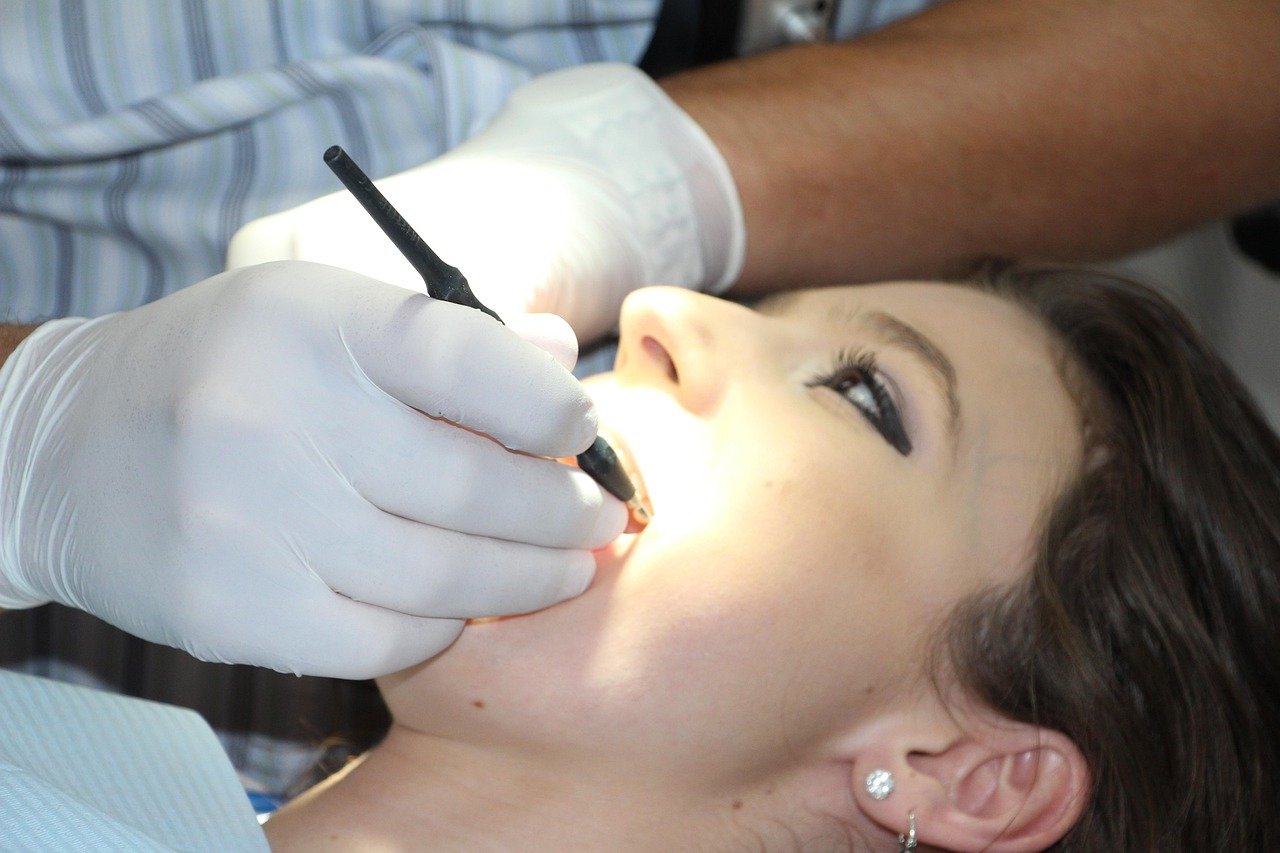
Dental care is a crucial part of overall health, yet the cost can often be a barrier for many individuals and families. Traditional dental insurance can be expensive and restrictive, leaving many searching for alternative solutions. This is where dental discount plans come into play, offering a potential avenue for affordable dental care. Understanding how these plans work, their benefits, and their limitations is key to making an informed decision about your dental health.
Understanding Dental Discount Plans
What are Dental Discount Plans?
Dental discount plans, also known as dental savings plans, are membership-based programs that offer reduced fees on dental services. Unlike traditional dental insurance, you pay an annual fee or a monthly subscription to become a member. In return, you gain access to a network of dentists who have agreed to offer their services at discounted rates. There are no deductibles, waiting periods, or annual maximums with these plans, making them an attractive option for many.
- Key Features:
Membership-based program
Access to a network of participating dentists
Discounted fees on dental services
No deductibles, waiting periods, or annual maximums
How Do Dental Discount Plans Work?
Once you enroll in a dental discount plan, you receive a membership card or access to a digital card. You then search for a participating dentist in your area through the plan’s website or app. When you visit the dentist, you present your membership card and pay the discounted fee directly to the dental office at the time of service. The discount varies depending on the plan and the specific dental procedure.
- Example: A cleaning that typically costs $150 might be offered at $80 with a dental discount plan. A crown that normally costs $1,200 might be discounted to $700. The specific discounts vary widely, so it’s important to research and compare plans.
Benefits of Dental Discount Plans
Affordability and Accessibility
One of the most significant benefits is the affordability compared to traditional dental insurance. The annual membership fee is often much lower than dental insurance premiums. This makes dental care more accessible to individuals without dental insurance or those who find traditional insurance too expensive.
- Cost Savings: The primary benefit is the discounted rates on dental services. These discounts can range from 10% to 60% depending on the procedure and the specific plan.
- Wider Access: Dental discount plans can be a great option for individuals who are self-employed, retired, or work part-time and don’t have access to employer-sponsored dental insurance.
No Waiting Periods or Annual Maximums
Unlike traditional dental insurance, most dental discount plans have no waiting periods. This means you can start using the plan immediately after enrollment to receive discounted dental care. Additionally, there are typically no annual maximums, meaning you can receive as much dental care as you need without worrying about exceeding a coverage limit.
- Immediate Use: Need a filling or root canal? With a dental discount plan, you can often get the treatment right away without waiting.
- Unlimited Care: Many insurance plans limit the amount they’ll pay out each year. Discount plans don’t have this limitation.
Simplicity and Flexibility
Dental discount plans are generally simpler to understand and use than traditional dental insurance. There are no claim forms to file, deductibles to meet, or complex coverage rules to navigate. You simply present your membership card and pay the discounted fee at the time of service.
- Easy to Use: The process is straightforward: find a participating dentist, present your card, and pay the discounted rate.
- Choice of Dentists: While you’re limited to dentists within the plan’s network, many plans offer a wide selection of providers, giving you the flexibility to choose a dentist that meets your needs.
Potential Drawbacks to Consider
Limited Network of Dentists
One of the primary drawbacks is the limited network of participating dentists. You can only receive discounted rates from dentists who are part of the plan’s network. If your preferred dentist is not in the network, you will not be able to utilize the discount plan at their office.
- Example: Before enrolling, check if your current dentist participates in the plan. If not, you’ll need to decide if switching dentists is worth the potential savings.
- Actionable Tip: Use the plan’s website to search for dentists in your area and verify their participation before committing to a specific plan.
Discounts Vary and May Not Always Be Significant
The discounts offered by dental discount plans vary depending on the plan and the specific dental procedure. While some procedures may have substantial discounts, others may have only minor reductions. It’s essential to research the discount rates for the dental services you anticipate needing.
- Comparative Analysis: Compare the discounted rates with the usual and customary fees in your area to determine the actual savings.
- Procedure-Specific Discounts: Look at the discount rates for the procedures you’re most likely to need (e.g., cleanings, fillings, crowns).
Not Insurance
It’s crucial to remember that dental discount plans are not dental insurance. They do not provide the same level of coverage or financial protection as insurance. They primarily offer discounts on dental services, but you are still responsible for paying the full discounted fee at the time of service.
- No Coverage for Unexpected Costs: Unlike insurance, discount plans won’t cover a large portion of a major dental expense, such as extensive oral surgery.
- Responsible Payment: You must be prepared to pay the discounted fee out-of-pocket at the time of your dental appointment.
Choosing the Right Dental Discount Plan
Evaluate Your Dental Needs
Before selecting a dental discount plan, assess your dental needs and anticipate the types of dental services you may require in the future. Consider factors such as your oral health history, the frequency of your dental visits, and any specific dental treatments you may need.
- Historical Data: Analyze your past dental expenses to estimate your future costs.
- Predictive Analysis: Anticipate potential needs, such as orthodontic work or implants, and look for plans that offer discounts on these services.
Compare Different Plans
Research and compare different dental discount plans to find the one that best suits your needs and budget. Consider the following factors when comparing plans:
- Membership Fee: Compare the annual or monthly membership fees of different plans.
- Network Size: Evaluate the size and geographic coverage of the dentist network.
- Discount Rates: Compare the discount rates offered for the dental services you anticipate needing.
- Reviews and Ratings: Read reviews and ratings from other members to assess the plan’s reputation and customer service.
- Coverage Details: Some plans have limitations on certain procedures like cosmetic dentistry. Check if the plan offers the services you need.
Read the Fine Print
Before enrolling in a dental discount plan, carefully read the terms and conditions to understand the plan’s rules, restrictions, and limitations. Pay attention to any exclusions, limitations on specific procedures, and the process for resolving disputes.
- Exclusions: Identify any dental procedures or services that are not covered by the plan.
- Renewal Terms: Understand the plan’s renewal policies and any potential changes to the membership fee or discount rates.
Conclusion
Dental discount plans can be a valuable option for individuals and families seeking affordable dental care. They offer discounted fees on dental services without the complexities of traditional dental insurance. However, it’s crucial to understand the potential drawbacks, such as the limited network of dentists and the variability of discounts. By carefully evaluating your dental needs, comparing different plans, and reading the fine print, you can choose a dental discount plan that provides the best value and helps you maintain good oral health. Remember to view these plans as a supplement, not a replacement, for comprehensive dental insurance, especially if you anticipate needing extensive or costly dental work.