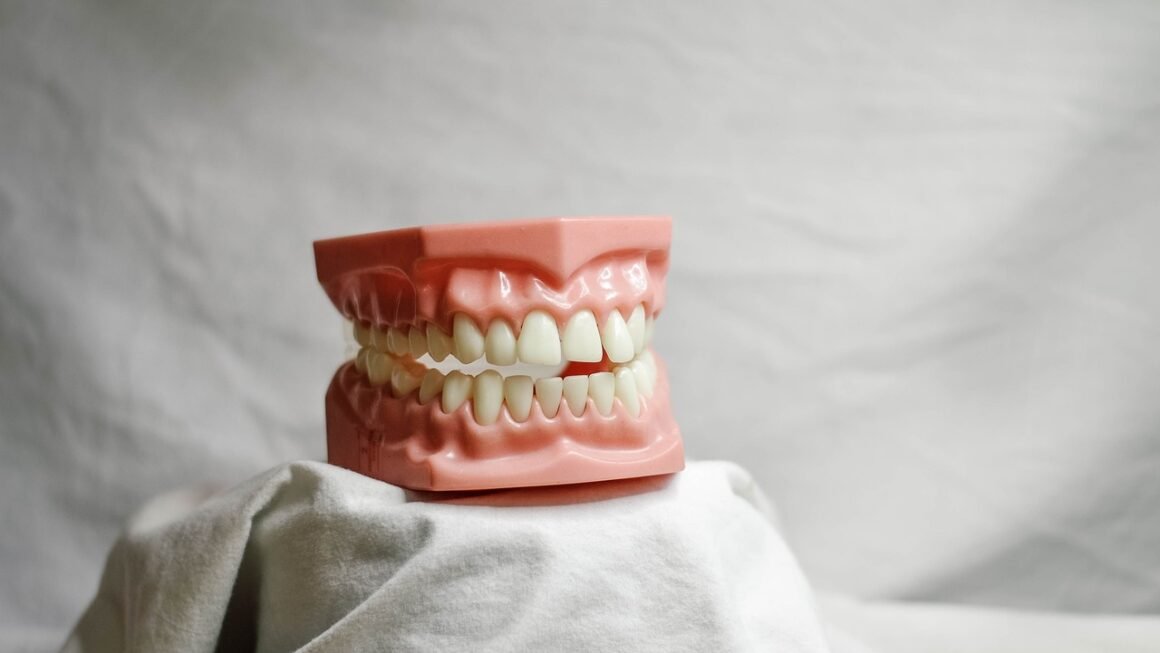
Tired of that lingering taste after your morning coffee or worried about a potential breath faux pas during an important meeting? You’re not alone. Fresh breath, or halitosis management, is a common concern affecting millions. It’s not just about social confidence; it can also be an indicator of underlying oral health. This comprehensive guide will explore the causes of bad breath, effective remedies, and long-term strategies for maintaining a fresh and confident smile.
Understanding the Causes of Bad Breath
Bad breath, scientifically known as halitosis, stems from various sources, with the majority originating within the oral cavity. Identifying the root cause is crucial for effective treatment.
Poor Oral Hygiene
This is the most prevalent cause of bad breath. When we don’t brush and floss regularly, food particles accumulate, leading to bacterial growth and the release of volatile sulfur compounds (VSCs), which are primarily responsible for the unpleasant odor.
- Example: Think of the plaque buildup on your teeth as a breeding ground for bacteria. Regular brushing and flossing disrupt this ecosystem.
- Statistical Data: Studies show that poor oral hygiene is linked to approximately 85% of halitosis cases.
Diet
Certain foods are notorious for causing bad breath. These foods often contain sulfur compounds or promote bacterial growth.
- Examples:
Garlic and onions contain sulfur compounds that are absorbed into the bloodstream and released through the lungs.
Sugary foods and drinks feed bacteria in the mouth, leading to acid production and bad breath.
Coffee can dehydrate the mouth, reducing saliva flow and contributing to odor.
- Actionable Takeaway: Be mindful of your diet and consider alternatives to odor-causing foods when fresh breath is essential.
Dry Mouth (Xerostomia)
Saliva plays a vital role in cleansing the mouth and neutralizing acids. Dry mouth, or xerostomia, occurs when saliva production is reduced, allowing bacteria to thrive.
- Causes: Medications, certain medical conditions, and dehydration can all contribute to dry mouth.
- Symptoms: A sticky, dry feeling in the mouth, difficulty swallowing, and altered taste are common symptoms.
- Remedies:
Drink plenty of water.
Use sugar-free gum or lozenges to stimulate saliva production.
Consider using an artificial saliva product.
Medical Conditions
In some cases, bad breath can be a symptom of underlying medical conditions.
- Examples:
Sinus infections and postnasal drip can lead to bad breath due to bacterial growth in the nasal passages.
Acid reflux can cause bad breath due to stomach acids rising into the esophagus.
Kidney or liver disease can sometimes produce distinctive breath odors.
- Important Note: If you suspect a medical condition is contributing to your bad breath, consult a doctor.
Effective Oral Hygiene Practices for Fresh Breath
Maintaining excellent oral hygiene is the cornerstone of fresh breath. A consistent and thorough routine can significantly reduce bacterial load and odor-causing compounds.
Brushing and Flossing Techniques
Brushing and flossing remove food particles and plaque, preventing bacterial growth.
- Brushing: Brush at least twice a day for two minutes each time, using fluoride toothpaste. Be sure to brush your tongue as well.
- Flossing: Floss daily to remove plaque and food particles from between your teeth, where your toothbrush can’t reach.
- Mouthwash: Use an antibacterial mouthwash to kill bacteria and freshen breath. Look for mouthwashes containing ingredients like cetylpyridinium chloride (CPC) or chlorhexidine (use chlorhexidine only as directed by a dentist).
Tongue Scraping
The tongue’s surface is a breeding ground for bacteria. Tongue scraping removes this bacteria, reducing odor.
- How to: Use a tongue scraper to gently remove the coating on your tongue, starting from the back and moving forward.
- Benefits: Improves breath freshness and overall oral hygiene.
Choosing the Right Oral Hygiene Products
Selecting the right toothbrush, toothpaste, and mouthwash can make a significant difference.
- Toothbrush: Choose a soft-bristled toothbrush to avoid damaging your gums. Consider an electric toothbrush for more effective plaque removal.
- Toothpaste: Use fluoride toothpaste to protect against cavities and strengthen enamel. Look for toothpastes with antibacterial properties.
- Mouthwash: Select an antibacterial mouthwash that targets odor-causing bacteria.
Dietary Strategies for Fresh Breath
What you eat can significantly impact your breath. Making conscious dietary choices can contribute to a fresher mouth.
Foods That Promote Fresh Breath
Certain foods can help neutralize odors or stimulate saliva production.
- Examples:
Apples and celery help scrub teeth and stimulate saliva.
Yogurt contains beneficial bacteria that can reduce odor-causing bacteria in the mouth.
Herbs like parsley, mint, and basil contain chlorophyll, which can neutralize odors.
Foods to Avoid
Limit consumption of foods that contribute to bad breath.
- Examples:
Garlic and onions
Sugary foods and drinks
Coffee
Alcohol (can dehydrate the mouth)
Hydration is Key
Drinking plenty of water helps keep your mouth moist and washes away food particles.
- Recommendation: Aim for at least eight glasses of water per day.
Professional Dental Care for Halitosis
Regular dental check-ups are essential for maintaining oral health and addressing any underlying causes of bad breath.
Routine Dental Cleanings
Professional cleanings remove plaque and tartar buildup that you can’t remove at home.
- Benefits: Reduces bacterial load, prevents gum disease, and improves breath freshness.
Identifying and Treating Underlying Dental Problems
Your dentist can identify and treat dental problems that may be contributing to bad breath, such as cavities, gum disease, or infections.
- Examples:
Treating cavities to prevent food from getting trapped and rotting.
Scaling and root planing to remove plaque and tartar from below the gum line.
* Addressing gum infections to reduce inflammation and bacterial growth.
When to See a Specialist
If your bad breath persists despite good oral hygiene practices, your dentist may refer you to a specialist, such as a periodontist (gum specialist) or an ENT (ear, nose, and throat) doctor, to rule out any underlying medical conditions.
Conclusion
Maintaining fresh breath involves a multi-faceted approach encompassing diligent oral hygiene, mindful dietary choices, and regular professional dental care. By understanding the causes of bad breath and implementing the strategies outlined in this guide, you can achieve long-lasting fresh breath and boost your confidence. Remember, persistence is key, and consistent effort will lead to a healthier mouth and a more pleasant experience for you and those around you.