Is your confidence taking a hit due to persistent bad breath? You’re not alone. Halitosis, the medical term for bad breath, affects millions worldwide. It can stem from various factors, ranging from poor oral hygiene to underlying health conditions. Fortunately, achieving fresh breath is possible with the right knowledge and consistent effort. Let’s dive into the causes, prevention, and solutions for maintaining a healthy and fresh-smelling mouth.
Understanding the Causes of Bad Breath
Bad breath can be embarrassing, but understanding its roots is the first step towards tackling it. Several factors contribute to halitosis, some more obvious than others.
Poor Oral Hygiene
- Plaque and Tartar Build-up: When you don’t brush and floss regularly, bacteria accumulate in your mouth, forming plaque. This plaque hardens into tartar, which can only be removed by a dental professional.
- Food Particles: Leftover food particles stuck between your teeth provide fuel for bacteria, leading to the production of foul-smelling sulfur compounds.
- Tongue Coating: The tongue, especially the back portion, can harbor bacteria and dead cells. A white or yellow coating on your tongue is a telltale sign.
Dietary Factors
- Garlic and Onions: These foods contain sulfur compounds that are absorbed into the bloodstream and exhaled through your lungs, causing temporary bad breath.
- Coffee and Alcohol: These can dry out your mouth, reducing saliva flow and creating an environment conducive to bacterial growth.
Medical Conditions
- Dry Mouth (Xerostomia): Saliva helps cleanse the mouth and neutralize acids. Certain medications, medical conditions (like Sjogren’s syndrome), or even just breathing through your mouth can lead to dry mouth and bad breath.
- Infections: Respiratory infections like sinusitis, bronchitis, and tonsillitis can contribute to bad breath.
- Gastrointestinal Issues: In rare cases, conditions like acid reflux can cause bad breath.
Lifestyle Choices
- Smoking: Smoking not only stains your teeth but also dries out your mouth and contributes to gum disease, a major cause of bad breath.
- Crash Dieting: Fasting or severely restricting calorie intake can force the body to break down fat, which releases ketones that can cause a distinct odor on your breath.
Establishing a Robust Oral Hygiene Routine
A consistent and thorough oral hygiene routine is the cornerstone of fresh breath. Making these habits a part of your daily life can significantly reduce the likelihood of halitosis.
Brushing Techniques
- Frequency: Brush your teeth at least twice a day, ideally after meals.
- Duration: Aim for at least two minutes each time you brush.
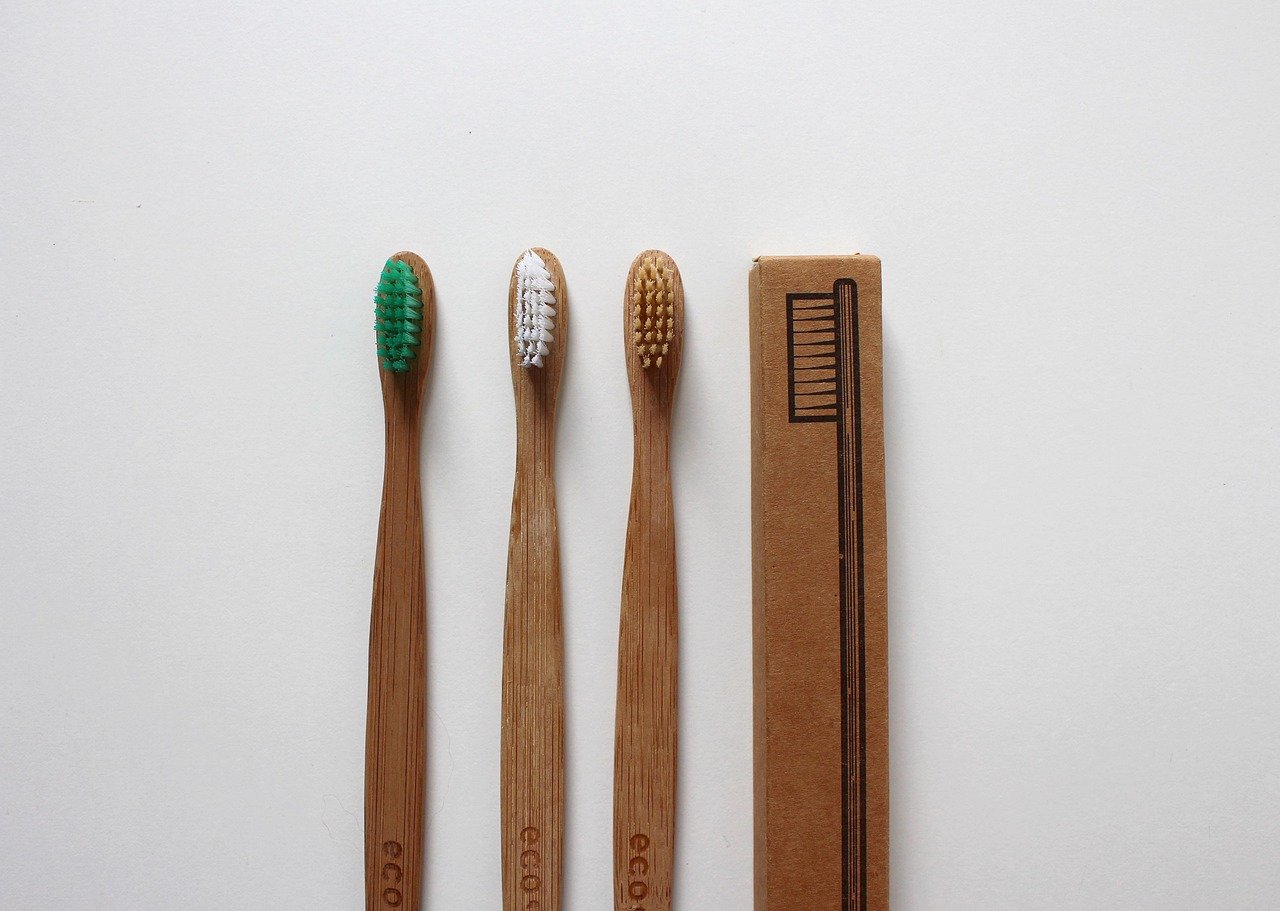
- Technique: Use a soft-bristled toothbrush and fluoride toothpaste. Brush at a 45-degree angle to your gums, using gentle circular motions. Don’t forget to brush all surfaces of your teeth.
Flossing is Essential
- Daily Flossing: Floss at least once a day to remove plaque and food particles from between your teeth, where your toothbrush can’t reach.
- Flossing Technique: Use about 18 inches of floss and gently slide it between your teeth, curving it around each tooth in a “C” shape. Be sure to go below the gum line.
Tongue Scraping
- Removing Bacteria: Use a tongue scraper to remove bacteria and debris from the surface of your tongue.
- Technique: Start at the back of your tongue and gently scrape forward, rinsing the scraper after each pass.
- Frequency: Scrape your tongue once or twice a day.
Mouthwash Benefits
- Choosing the Right Mouthwash: Opt for an antibacterial mouthwash that contains ingredients like chlorhexidine, cetylpyridinium chloride (CPC), or essential oils.
- Using Mouthwash Properly: Rinse your mouth with mouthwash for 30 seconds after brushing and flossing. Do not swallow the mouthwash.
Dietary Adjustments for Fresher Breath
What you eat plays a significant role in the freshness of your breath. Making conscious dietary choices can contribute to a healthier mouth and better breath.
Foods to Avoid or Limit
- Garlic and Onions: Minimize your consumption of these foods, especially before important events.
- Sugary Foods and Drinks: These contribute to bacterial growth and acid production, which can lead to bad breath and tooth decay.
- Processed Foods: Often high in sugar and low in nutrients, these can negatively impact your oral health.
Foods That Promote Fresh Breath
- Fruits and Vegetables: Crunchy fruits and vegetables like apples, carrots, and celery stimulate saliva production and help scrub away plaque.
- Herbs: Parsley, mint, and cilantro contain chlorophyll, which has breath-freshening properties.
- Water: Staying hydrated helps maintain saliva flow and washes away food particles and bacteria.
Hydration is Key
- Drink Plenty of Water: Aim for at least eight glasses of water per day.
- Sip Throughout the Day: Keep a water bottle handy and sip throughout the day to prevent dry mouth.
Seeking Professional Help and Treatment
While good oral hygiene and dietary adjustments can go a long way, sometimes professional help is necessary to address the root cause of bad breath.
Regular Dental Check-ups
- Importance of Check-ups: Schedule regular dental check-ups and cleanings at least twice a year.
- Professional Cleaning: A dental hygienist can remove plaque and tartar that you can’t remove at home.
- Early Detection: Your dentist can identify and treat underlying dental problems like cavities, gum disease, and infections.
Addressing Underlying Medical Conditions
- Consult a Doctor: If you suspect your bad breath is due to a medical condition, consult your doctor.
- Treatment Options: Depending on the underlying condition, your doctor may recommend medication, lifestyle changes, or referral to a specialist.
Specific Treatments
- Gum Disease Treatment: If you have gum disease, your dentist may recommend scaling and root planing (deep cleaning) to remove plaque and tartar from below the gum line.
- Dry Mouth Management: Your dentist or doctor may recommend saliva substitutes, medications to stimulate saliva production, or lifestyle changes to manage dry mouth.
- Oral Appliances: In some cases, a dentist might recommend a custom oral appliance to help keep the mouth closed during sleep and reduce mouth breathing, which can contribute to dry mouth.
Conclusion
Conquering bad breath requires a multi-faceted approach that includes diligent oral hygiene, smart dietary choices, and, when necessary, professional dental or medical care. By understanding the causes of halitosis and implementing these strategies, you can achieve lasting fresh breath and regain your confidence. Make these habits a part of your daily routine and say goodbye to bad breath for good.