Achieving fresh breath is more than just a quick spritz of minty spray; it’s an ongoing effort rooted in good oral hygiene and an understanding of the underlying causes of bad breath, also known as halitosis. Understanding the reasons behind your breath and taking proactive steps can significantly boost your confidence and improve your overall well-being. This guide provides a comprehensive look at the causes, treatments, and preventive measures you can take to ensure your breath is fresh and inviting.
Understanding the Causes of Bad Breath
Poor Oral Hygiene
This is the most common culprit. When you don’t brush and floss regularly, food particles remain in your mouth, creating a breeding ground for bacteria. These bacteria break down the food, releasing volatile sulfur compounds (VSCs), which are the primary cause of bad breath.
- Example: Imagine leaving a piece of meat stuck between your teeth overnight. The bacteria feast on it, producing a distinct, unpleasant odor.
- Actionable Takeaway: Brush your teeth at least twice a day, floss daily, and use a tongue scraper to remove bacteria from the surface of your tongue.
Diet
Certain foods, such as garlic, onions, and spicy dishes, can temporarily cause bad breath. These foods contain compounds that are absorbed into the bloodstream and then released through your lungs, resulting in noticeable breath odor.
- Example: The strong aroma of garlic can linger in your breath for hours after consumption.
- Actionable Takeaway: Be mindful of your diet and limit your intake of foods known to cause bad breath, especially before social engagements.
Dry Mouth (Xerostomia)
Saliva helps cleanse the mouth by neutralizing acids produced by bacteria and washing away dead cells. When saliva production decreases, dry mouth can lead to bad breath.
- Example: Many medications have dry mouth as a side effect, significantly increasing the risk of halitosis.
- Actionable Takeaway: Stay hydrated by drinking plenty of water throughout the day. Chew sugar-free gum or use saliva substitutes if you experience chronic dry mouth.
Medical Conditions
In some cases, bad breath can be a symptom of an underlying medical condition such as:
- Sinus infections: Postnasal drip provides a food source for bacteria in the mouth and throat.
- Diabetes: Uncontrolled diabetes can lead to ketoacidosis, which produces a distinct fruity breath odor.
- Kidney or liver disease: These conditions can cause the buildup of toxins in the body, leading to bad breath.
- Actionable Takeaway: If you suspect your bad breath is related to an underlying medical condition, consult with your doctor.
Effective Oral Hygiene Practices for Fresh Breath
Brushing and Flossing Techniques
Proper brushing and flossing are fundamental for removing plaque and food particles that contribute to bad breath.
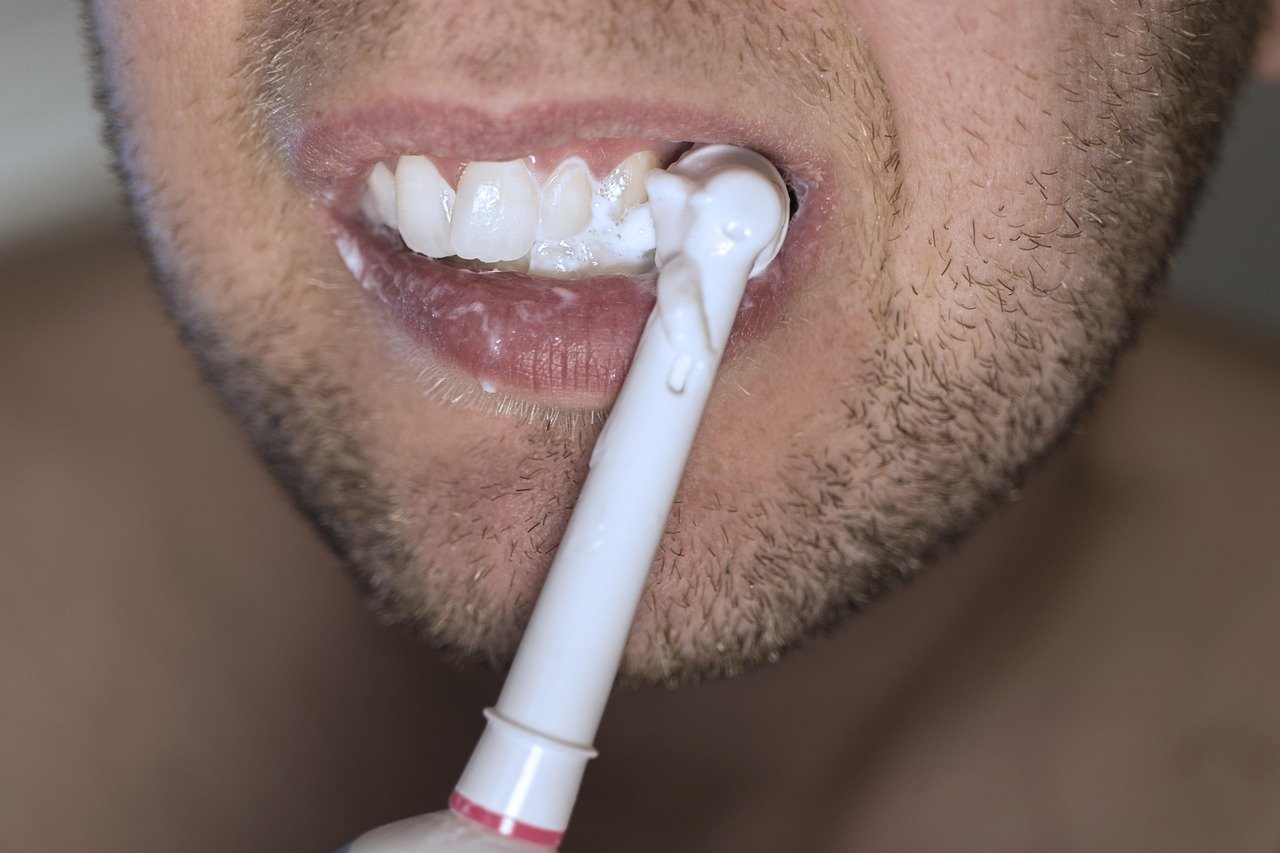
- Brushing: Use fluoride toothpaste and brush for at least two minutes, paying attention to all surfaces of your teeth. Angle the brush at a 45-degree angle to the gum line and use gentle, circular motions.
- Flossing: Use dental floss to clean between your teeth and along the gum line daily. Gently slide the floss up and down, curving it around each tooth.
- Actionable Takeaway: Consider using an electric toothbrush, as it can be more effective at removing plaque than a manual toothbrush.
Tongue Scraping
The tongue’s surface is a haven for bacteria. Using a tongue scraper can remove this bacteria and significantly reduce bad breath.
- Technique: Gently scrape the tongue from the back to the front, rinsing the scraper after each stroke.
- Actionable Takeaway: Incorporate tongue scraping into your daily oral hygiene routine for optimal results.
Mouthwash
While mouthwash can provide a temporary fix for bad breath, it’s essential to choose one that addresses the underlying cause.
- Choosing the Right Mouthwash: Look for mouthwashes that contain antimicrobial ingredients, such as chlorhexidine or cetylpyridinium chloride (CPC), which kill bacteria. Alcohol-free mouthwashes are preferable, as alcohol can dry out the mouth and worsen bad breath.
- Actionable Takeaway: Use mouthwash as a complement to brushing and flossing, not as a replacement.
Lifestyle Adjustments for Fresher Breath
Hydration
Drinking plenty of water helps keep your mouth moist and washes away food particles and bacteria.
- Recommendation: Aim for at least eight glasses of water per day.
- Actionable Takeaway: Carry a water bottle with you and sip on it throughout the day.
Dietary Changes
Making strategic dietary choices can help prevent bad breath.
- Limit Sugary Foods: Sugar feeds bacteria in your mouth, leading to increased acid production and bad breath.
- Increase Fiber Intake: Fruits and vegetables with high fiber content can help scrub your teeth and stimulate saliva production.
- Actionable Takeaway: Opt for crunchy fruits and vegetables like apples and carrots as snacks.
Avoid Tobacco Products
Smoking and chewing tobacco are major contributors to bad breath, as well as numerous other health problems.
- Impact: Tobacco products dry out the mouth, stain teeth, and cause gum disease, all of which contribute to bad breath.
- Actionable Takeaway: Quit smoking or using tobacco products to improve your breath and overall health. Consider seeking help from a healthcare professional or support group.
Professional Dental Care
Regular Check-ups and Cleanings
Visiting your dentist regularly is crucial for maintaining good oral health and preventing bad breath.
- Benefits: Dentists can identify and treat dental problems, such as cavities and gum disease, that contribute to bad breath. Professional cleanings remove plaque and tartar buildup that you can’t remove with brushing and flossing alone.
- Actionable Takeaway: Schedule dental check-ups and cleanings at least twice a year, or more frequently if recommended by your dentist.
Addressing Underlying Dental Issues
Treating underlying dental problems is essential for eliminating chronic bad breath.
- Common Issues: Cavities, gum disease (gingivitis or periodontitis), and impacted teeth can all contribute to bad breath. Your dentist can provide appropriate treatments, such as fillings, deep cleanings, and extractions.
- Actionable Takeaway: Follow your dentist’s recommendations for treating any dental problems you may have.
Conclusion
Achieving and maintaining fresh breath requires a multifaceted approach that includes diligent oral hygiene practices, lifestyle adjustments, and professional dental care. By understanding the causes of bad breath and implementing the strategies outlined in this guide, you can confidently improve your breath and enjoy the benefits of a healthier, more confident smile. Remember, consistent effort and attention to detail are key to long-term success. If you have concerns about chronic bad breath, consult with your dentist or doctor to rule out any underlying medical conditions.