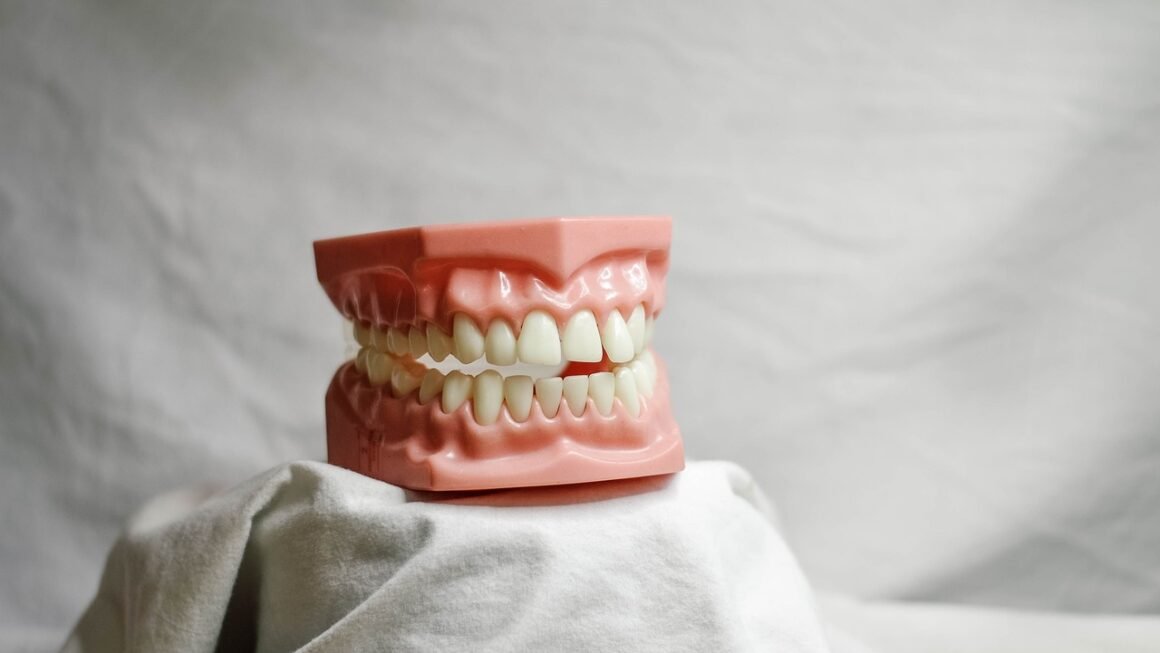
A bright, healthy smile is more than just aesthetically pleasing; it’s a cornerstone of overall well-being. Regular dental cleanings are a crucial part of maintaining that radiant smile and preventing a host of oral health issues. Many people think brushing and flossing at home are enough, but professional dental cleanings go far beyond what you can achieve on your own. In this comprehensive guide, we’ll explore the importance of dental cleanings, what to expect during the procedure, and how they contribute to your long-term oral health.
The Importance of Regular Dental Cleanings
Preventing Plaque and Tartar Buildup
Dental plaque is a sticky film of bacteria that constantly forms on your teeth. If not removed through brushing and flossing, it hardens into tartar (calculus), which is much more difficult to remove.
- Why this matters: Tartar provides a rough surface for more plaque to accumulate, creating a vicious cycle that can lead to cavities, gum disease, and other oral health problems.
- Professional cleaning advantage: Dental hygienists use specialized tools to remove tartar from above and below the gumline, reaching areas that your toothbrush and floss can’t.
Preventing Gum Disease (Gingivitis and Periodontitis)
Gum disease, also known as periodontal disease, is an infection of the gums that can damage the soft tissue and bone that support your teeth. Gingivitis is the early stage of gum disease, while periodontitis is a more advanced form.
- Consequences of untreated gum disease: Tooth loss, receding gums, bone loss, and potentially links to systemic health problems like heart disease and diabetes.
- Dental cleanings as prevention: Regular cleanings remove plaque and tartar that irritate the gums and contribute to gum disease, helping to keep your gums healthy and strong.
Early Detection of Oral Health Problems
During a dental cleaning appointment, your dentist or hygienist will examine your teeth and gums for signs of cavities, gum disease, and other oral health problems.
- Benefits of early detection: Allows for prompt treatment of problems before they become more serious and require more extensive (and expensive) procedures.
- Example: A small cavity detected during a cleaning can be treated with a simple filling, whereas a larger cavity may require a root canal.
What to Expect During a Dental Cleaning Appointment
Initial Examination
The dental hygienist will begin with a visual examination of your teeth and gums. They may also take X-rays to check for any problems that aren’t visible to the naked eye.
- X-rays are important for: Detecting cavities between teeth, assessing bone levels, and identifying other potential issues like impacted teeth or cysts.
- Example: Bitewing X-rays are commonly used to check for cavities between back teeth.
Scaling and Root Planing
This is the core of the cleaning process. Scaling involves removing plaque and tartar from the surface of your teeth and below the gumline. Root planing involves smoothing the root surfaces of your teeth to prevent plaque and tartar from adhering to them in the future.
- Tools used: Ultrasonic scalers (vibrate to break up tartar), hand scalers (for precise removal), and curettes (for smoothing root surfaces).
- What you might feel: Some sensitivity is normal, especially if you have gum disease. Your dental hygienist can use local anesthetic if needed.
Polishing
After scaling and root planing, your teeth will be polished with a special paste to remove stains and make your teeth feel smooth.
- Benefits of polishing: Removes surface stains, makes teeth feel cleaner, and helps to prevent plaque from sticking to your teeth.
- Example: The polishing paste contains abrasive agents that gently remove surface stains from coffee, tea, or tobacco.
Fluoride Treatment
Fluoride is a mineral that helps to strengthen tooth enamel and prevent cavities. After polishing, your dentist or hygienist may apply a fluoride treatment to your teeth.
- Types of fluoride treatment: Fluoride varnish, fluoride gel, or fluoride foam.
- Actionable takeaway: Avoid eating or drinking for 30 minutes after fluoride treatment to allow it to fully absorb into your enamel.
Frequency of Dental Cleanings
General Recommendations
The standard recommendation is to have a dental cleaning every six months.
- Rationale: This allows for regular monitoring of your oral health and removal of plaque and tartar before they cause significant problems.
- Exceptions: Some people may need more frequent cleanings, such as those with gum disease, dry mouth, or a history of frequent cavities.
Factors Affecting Frequency
- Gum Disease: Individuals with active gum disease may require cleanings every 3-4 months to manage the infection.
- Dry Mouth: Reduced saliva flow increases the risk of cavities, necessitating more frequent cleanings and fluoride treatments.
- Orthodontic Treatment: Braces and other orthodontic appliances can make it harder to clean your teeth, so more frequent cleanings may be recommended.
Individualized Approach
Your dentist will assess your individual needs and recommend the cleaning frequency that is right for you.
- Open communication is key: Discuss any concerns or changes in your oral health with your dentist so they can adjust your treatment plan accordingly.
Benefits Beyond a Clean Mouth
Improved Overall Health
Studies have linked poor oral health to various systemic health problems, including heart disease, stroke, diabetes, and respiratory infections. Regular dental cleanings can help to reduce your risk of these conditions.
- How it works: Reducing the bacterial load in your mouth can help to reduce inflammation throughout your body.
- Example: Bacteria from gum disease can enter the bloodstream and contribute to the development of heart disease.
Fresher Breath
Bad breath, also known as halitosis, is often caused by bacteria in the mouth. Regular dental cleanings remove these bacteria and help to freshen your breath.
- Actionable takeaway: Maintain good oral hygiene habits at home, including brushing your tongue, to further improve your breath.
Enhanced Appearance
Removing stains and polishing your teeth can significantly improve the appearance of your smile.
- Confidence boost: A brighter, healthier smile can boost your confidence and improve your self-esteem.
Conclusion
Regular dental cleanings are an investment in your oral and overall health. They play a critical role in preventing plaque and tartar buildup, gum disease, and other oral health problems. By understanding what to expect during a dental cleaning appointment and following your dentist’s recommendations for frequency, you can maintain a healthy, beautiful smile for years to come. Don’t underestimate the power of a professional clean – it’s a small step that can make a big difference in your long-term well-being.