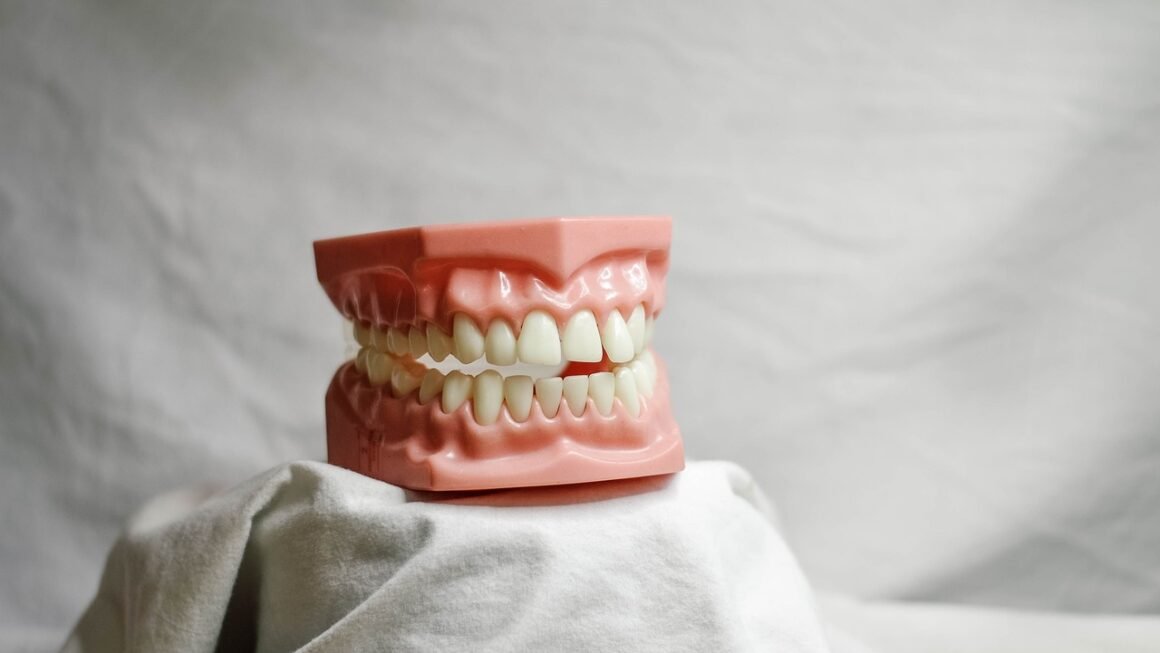
The world of oral hygiene extends far beyond just brushing and flossing. While those two are undoubtedly the cornerstones of a healthy smile, mouthwash adds a powerful layer of protection and freshens breath, leaving you feeling confident and ready to face the day. But with so many options available, understanding the purpose, ingredients, and proper usage of mouthwash is crucial to maximizing its benefits and ensuring it complements, not replaces, your existing oral care routine.
Types of Mouthwash and Their Benefits
Not all mouthwashes are created equal. Different formulas target different oral health concerns, so choosing the right one is key. Understanding the various types available will empower you to make an informed decision tailored to your specific needs.
Cosmetic Mouthwash
- Purpose: Primarily designed to freshen breath temporarily.
- Ingredients: Typically contains flavoring agents like mint, along with ingredients that may help reduce surface stains on teeth.
- Benefits:
Freshens breath quickly.
May offer a short-term clean feeling.
- Limitations: Does not actively kill bacteria or address underlying oral health issues. Think of it as a quick fix rather than a long-term solution.
Therapeutic Mouthwash
- Purpose: Formulated to actively improve oral health by targeting bacteria, reducing plaque, and fighting gingivitis. Often contains active ingredients prescribed or recommended by dentists.
- Ingredients:
Fluoride: Strengthens tooth enamel and helps prevent cavities. A common and effective ingredient.
Example: ACT Anticavity Fluoride Rinse.
Antiseptics (e.g., Chlorhexidine Gluconate): Kills bacteria and reduces plaque.
Note: Chlorhexidine mouthwash is often prescription-strength and used for short periods due to potential side effects like staining.
Antimicrobials (e.g., Cetylpyridinium Chloride (CPC)): Reduces bacteria that contribute to bad breath and gingivitis.
Example: Crest Pro-Health Multi-Protection Rinse.
- Benefits:
Helps prevent cavities and tooth decay.
Reduces plaque and gingivitis.
Kills bacteria that cause bad breath.
Can be used as part of a treatment plan for gum disease (under a dentist’s supervision).
Fluoride Mouthwash: A Deeper Dive
- How it Works: Fluoride remineralizes tooth enamel, making it more resistant to acid attacks from bacteria and sugars.
- Who Should Use It: Individuals prone to cavities, those with dry mouth (which increases cavity risk), and people wearing braces can particularly benefit.
- Usage Tip: After using fluoride mouthwash, avoid eating or drinking for at least 30 minutes to allow the fluoride to effectively bind to the enamel.
Proper Mouthwash Usage: Maximizing Effectiveness
Using mouthwash correctly is just as important as choosing the right type. Following these guidelines will help you get the most out of your rinse.
When to Use Mouthwash
- Ideal Time: After brushing and flossing. This ensures that the mouthwash can reach all areas effectively, without being hindered by food particles or plaque.
- Avoid Rinsing After Brushing with Fluoride Toothpaste: Rinsing immediately after brushing washes away the concentrated fluoride from your toothpaste. Wait at least 30 minutes.
How to Rinse Correctly
- Dosage: Usually, 15-20 ml (approximately 3-4 teaspoons) is the recommended amount. Check the product label for specific instructions.
- Rinsing Time: Vigorously swish the mouthwash around in your mouth for 30-60 seconds. Use a timer to ensure you’re rinsing for the appropriate duration.
- Gargle: Gently gargle the mouthwash at the back of your throat to reach the tonsils and kill bacteria that may be causing bad breath.
- Do Not Swallow: Mouthwash is not meant for ingestion. Spit it out completely after rinsing.
Important Precautions
- Children: Mouthwash is generally not recommended for children under 6 years old due to the risk of swallowing it. Supervise older children to ensure they are using it correctly.
- Alcohol Content: Some mouthwashes contain alcohol, which can be drying and irritating to the mouth. Consider alcohol-free options, especially if you have dry mouth.
- Sensitivity: If you experience any irritation or sensitivity after using mouthwash, discontinue use and consult your dentist.
Debunking Common Mouthwash Myths
There are several misconceptions surrounding mouthwash. Let’s set the record straight.
Myth #1: Mouthwash Replaces Brushing and Flossing
- Reality: Mouthwash is not a substitute for brushing and flossing. These are the primary methods for removing plaque and food particles. Mouthwash is an adjunct to these essential practices.
- Analogy: Think of brushing and flossing as cleaning the floors, and mouthwash as applying a protective polish.
Myth #2: All Mouthwash Kills All Bacteria
- Reality: Cosmetic mouthwashes primarily mask bad breath and offer limited antibacterial action. Therapeutic mouthwashes target specific bacteria, but they don’t eliminate all bacteria in the mouth (nor should they, as some bacteria are beneficial).
- Research: Studies have shown that some mouthwashes can significantly reduce harmful bacteria associated with gingivitis, while others have minimal effect.
Myth #3: Mouthwash is a Cure-All for Oral Health Problems
- Reality: Mouthwash can help manage certain oral health issues like gingivitis or bad breath, but it cannot cure underlying problems like cavities, advanced gum disease, or oral infections. These conditions require professional dental treatment.
Myth #4: You Can Use Mouthwash As Often As You Like
- Reality: Overuse of certain mouthwashes, especially those containing alcohol or strong antiseptics, can disrupt the natural balance of bacteria in the mouth and lead to dry mouth or other issues. Follow the instructions on the product label or your dentist’s recommendations.
Choosing the Right Mouthwash for Your Needs
Selecting the best mouthwash depends on your individual oral health needs and goals.
Consider Your Specific Concerns
- Bad Breath: Look for mouthwashes containing ingredients like zinc chloride or cetylpyridinium chloride (CPC) to neutralize odor-causing compounds.
- Cavities: Choose a fluoride mouthwash to strengthen tooth enamel.
- Gingivitis: Opt for an antiseptic mouthwash containing chlorhexidine gluconate (prescription-strength) or essential oils (e.g., Listerine).
- Dry Mouth: Select an alcohol-free mouthwash formulated to moisturize the mouth. Look for ingredients like xylitol, which can also stimulate saliva production.
Read Labels Carefully
- Active Ingredients: Pay attention to the active ingredients and their concentrations.
- Inactive Ingredients: Be aware of inactive ingredients like alcohol, artificial sweeteners, and dyes, especially if you have sensitivities or allergies.
Consult Your Dentist
- Professional Advice: Your dentist can assess your oral health and recommend the most appropriate mouthwash based on your specific needs and any existing conditions.
- Prescription Options: In some cases, your dentist may prescribe a stronger mouthwash to address specific problems like severe gingivitis or post-surgical healing.
Conclusion
Mouthwash is a valuable tool for enhancing oral hygiene, but it’s crucial to understand its limitations and use it correctly. By selecting the right type, following proper usage guidelines, and consulting with your dentist, you can maximize the benefits of mouthwash and achieve a healthier, fresher smile. Remember, mouthwash is a supplement to, not a replacement for, regular brushing and flossing. Incorporating it into your daily routine can contribute to a healthy mouth and overall well-being.