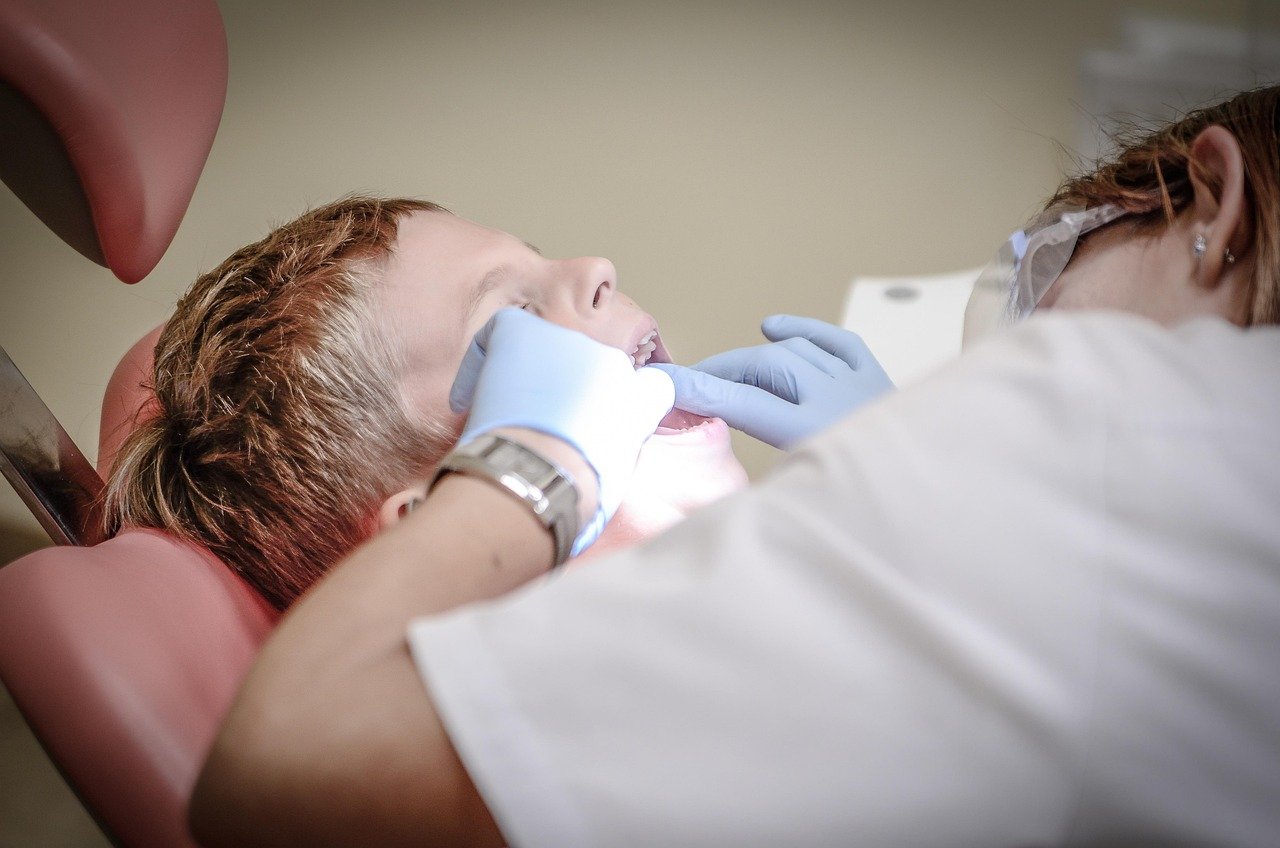
Dental health is a critical component of overall well-being, impacting everything from your ability to eat and speak comfortably to your self-esteem. Yet, the cost of dental care can be a significant barrier for many. That’s where dental insurance comes in. Understanding your options and navigating the world of dental plans can seem daunting, but with the right information, you can make an informed decision that protects your smile and your wallet. This comprehensive guide will explore the ins and outs of dental insurance, empowering you to choose the best coverage for your needs.
Understanding Dental Insurance Basics
Dental insurance is designed to help offset the costs associated with dental care, similar to how health insurance works for medical expenses. However, dental insurance often has different structures and limitations.
What Dental Insurance Covers
- Preventive Care: This is the cornerstone of dental health and often the most heavily covered by insurance.
Examples include regular check-ups, cleanings (typically twice a year), and x-rays.
Many plans cover 100% of preventive care to encourage early detection and prevent more serious problems.
Actionable Takeaway: Prioritize preventive care visits to maximize your insurance benefits and maintain a healthy smile.
- Basic Procedures: These procedures address common dental issues that require more than just a cleaning.
Examples include fillings (for cavities), simple extractions, and root canals on anterior teeth.
Coverage for basic procedures usually falls in the 70-80% range after you’ve met your deductible.
Example: A composite filling costing $200 with 80% coverage would require you to pay $40, assuming your deductible is already met.
- Major Procedures: These are more complex and costly treatments required for significant dental problems.
Examples include crowns, bridges, dentures, implants, and root canals on posterior teeth.
Coverage for major procedures is typically the lowest, often around 50% after you’ve met your deductible.
Actionable Takeaway: If you anticipate needing major dental work, carefully review your policy’s coverage limits and maximum annual benefit.
- Orthodontics: Some dental insurance plans include orthodontic coverage for braces or clear aligners.
Orthodontic coverage often has a separate lifetime maximum benefit, meaning there’s a limit to how much the plan will pay over the course of your treatment.
Plans may have age restrictions or limitations on the types of orthodontic treatments covered.
Common Terms You Should Know
- Premium: The monthly or annual payment you make to maintain your dental insurance coverage.
- Deductible: The amount you must pay out-of-pocket before your insurance benefits kick in. Many preventive services are covered without requiring the deductible to be met.
Example: If your deductible is $50, you’ll need to pay the first $50 of dental care costs before your insurance starts paying its share.
- Coinsurance: The percentage of the cost you’re responsible for paying after your deductible has been met.
Example: If your coinsurance is 20%, you pay 20% of the cost of a procedure after your deductible is satisfied.
- Annual Maximum: The maximum amount your insurance plan will pay for dental care in a benefit year. This resets annually.
Statistic: The average annual maximum for dental insurance plans is around $1,000-$1,500, which hasn’t increased significantly in decades despite rising dental costs.
- Waiting Periods: Many dental insurance plans have waiting periods before certain procedures are covered.
Preventive care may be covered immediately, while basic procedures might have a 6-month waiting period, and major procedures could have a 12-month waiting period.
Types of Dental Insurance Plans
Choosing the right type of dental insurance plan is crucial to ensure it aligns with your dental health needs and budget.
Dental Health Maintenance Organization (DHMO)
- Operates like a managed care medical plan, requiring you to choose a primary care dentist (PCD) within the network.
- You typically need a referral from your PCD to see a specialist.
- Lower premiums and out-of-pocket costs compared to other plans.
- Limited choice of dentists, as you can only see dentists within the DHMO network.
- Actionable Takeaway: DHMO plans are often a good choice if you have a regular dentist in the network and prefer lower premiums.
Dental Preferred Provider Organization (DPPO)
- Offers a wider network of dentists compared to DHMO plans.
- You can see any dentist, but you’ll pay less if you visit a dentist within the DPPO network.
- No need for referrals to see specialists.
- Higher premiums than DHMO plans.
- Example: Seeing a dentist outside the PPO network might result in higher out-of-pocket costs, potentially not even counting towards your deductible if the dentist is out of network.
- Actionable Takeaway: DPPO plans provide greater flexibility in choosing dentists but come with higher costs.
Dental Indemnity Plans (Fee-for-Service)
- The most flexible type of dental insurance, allowing you to see any dentist you choose.
- The insurance company pays a percentage of the dentist’s usual, customary, and reasonable (UCR) fees.
- Higher premiums than DHMO and PPO plans.
- Often require you to pay upfront and submit claims for reimbursement.
- Increasingly less common due to higher costs for both the insurer and the insured.
Discount Dental Plans
- Not technically insurance, but rather a membership program that offers discounts on dental services at participating dentists.
- Lower annual fees than traditional insurance plans.
- No deductibles, waiting periods, or annual maximums.
- Discounts vary depending on the plan and the dentist.
- Actionable Takeaway: These plans are beneficial if you require minimal dental work and prioritize predictable costs.
Factors to Consider When Choosing Dental Insurance
Selecting the best dental insurance plan requires careful consideration of your individual needs and circumstances.
Your Dental Health Needs
- Assess your current dental health: Do you have any existing dental problems that require immediate attention?
- Consider your potential future needs: Do you anticipate needing major dental work in the future, such as crowns, implants, or orthodontics?
- Family needs: Consider the dental needs of your entire family, especially children who may require orthodontic treatment.
- Example: If you know you need a root canal, look for plans with low deductibles and reasonable coverage for major procedures after the waiting period.
- Actionable Takeaway: Choose a plan that provides adequate coverage for your specific dental needs.
Cost Considerations
- Premiums: Compare the monthly or annual premiums of different plans.
- Deductibles: Consider the deductible amount and how it will impact your out-of-pocket costs.
- Coinsurance: Understand the coinsurance percentages for different types of procedures.
- Annual Maximums: Evaluate the annual maximum benefit and whether it’s sufficient to cover your potential dental expenses.
- Actionable Takeaway: Balance the cost of premiums with the level of coverage provided to find the most cost-effective plan.
Network Coverage
- Check if your preferred dentist is in the network: If you have a dentist you trust, verify that they accept the insurance plan you’re considering.
- Evaluate the size and accessibility of the network: Ensure that there are enough dentists in the network located conveniently near you.
- Actionable Takeaway: Prioritize plans with a broad and accessible network of dentists.
Waiting Periods and Exclusions
- Be aware of waiting periods: Understand how long you’ll need to wait before certain procedures are covered.
- Review the plan’s exclusions: Check for any specific procedures or treatments that are not covered by the plan.
- Example: Some plans exclude coverage for pre-existing conditions or cosmetic procedures.
- Actionable Takeaway: Carefully read the fine print of the insurance policy to understand any limitations or exclusions.
Finding and Comparing Dental Insurance Plans
Once you understand the basics of dental insurance, it’s time to start researching and comparing plans.
Employer-Sponsored Dental Insurance
- Often the most affordable option, as employers typically contribute to the premium costs.
- May offer a limited selection of plans compared to individual plans.
- Coverage ends when you leave your job, so you’ll need to find alternative coverage.
- Actionable Takeaway: Explore your employer’s dental insurance options and compare them to individual plans.
Individual Dental Insurance Plans
- Purchased directly from insurance companies or through online marketplaces.
- Greater flexibility in choosing plans compared to employer-sponsored plans.
- Premiums are typically higher than employer-sponsored plans.
- Tip: Use online comparison tools to compare plans from multiple insurance companies.
Government Programs
- Medicaid: Provides dental coverage for eligible low-income individuals and families. Coverage varies by state.
- Children’s Health Insurance Program (CHIP): Offers dental coverage for children in families who earn too much to qualify for Medicaid but cannot afford private insurance.
- Actionable Takeaway:* Check if you qualify for Medicaid or CHIP dental coverage.
Resources for Comparison
- Insurance company websites: Obtain quotes and plan details directly from insurance company websites.
- Online insurance marketplaces: Compare plans from multiple insurance companies in one place.
- Dental insurance brokers: Get personalized advice and assistance from licensed insurance professionals.
- National Association of Insurance Commissioners (NAIC): Provides information and resources about insurance regulations.
Conclusion
Navigating the complexities of dental insurance requires understanding your needs, knowing the types of plans available, and comparing the factors that matter most to you. By carefully considering your dental health requirements, budget, and network preferences, you can choose a dental insurance plan that provides the right coverage at a price you can afford. Remember to review the fine print of any policy before committing to it, paying close attention to waiting periods, exclusions, and annual maximums. Investing in dental insurance is an investment in your overall health and well-being, helping you maintain a healthy smile for years to come.