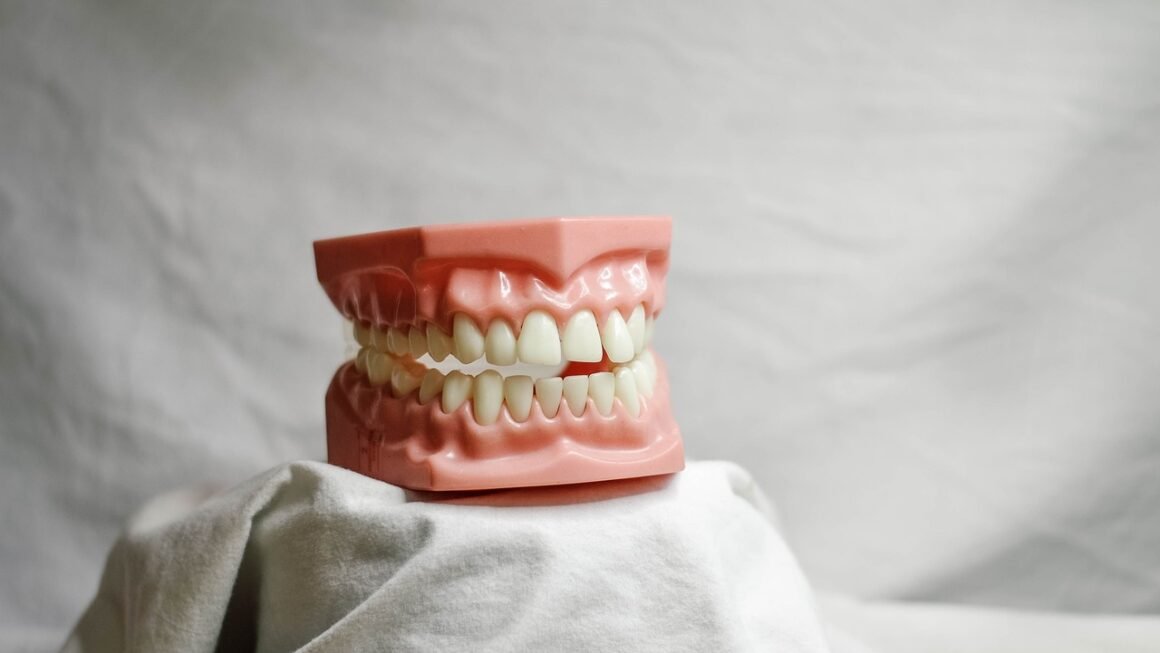
Beyond brushing, there’s a silent hero in the quest for a dazzling smile and optimal oral health: flossing. Often overlooked, flossing is the unsung champion, diligently cleaning those tight spaces where your toothbrush simply can’t reach. This comprehensive guide will unravel the secrets of effective flossing techniques, transforming your oral hygiene routine and helping you achieve a healthier, happier mouth.
Why Flossing Matters: Beyond the Brush
Reaching the Untouchable
While brushing tackles surface plaque and debris, floss navigates the narrow interdental spaces, removing food particles and plaque nestled between your teeth and along the gumline. These are prime breeding grounds for bacteria, leading to cavities, gum disease, and even bad breath.
Preventing Gum Disease
Gum disease, or periodontitis, starts with inflammation caused by plaque buildup. Flossing disrupts this plaque, preventing the progression of gingivitis (early gum disease) to the more serious periodontitis, which can ultimately lead to tooth loss. Studies show that regular flossing can significantly reduce the risk of developing gum disease.
Fresher Breath, Brighter Smile
Food particles trapped between teeth contribute to bad breath. By removing these particles, flossing promotes a fresher, cleaner mouth. Furthermore, preventing plaque buildup reduces the risk of stains and discoloration, contributing to a brighter, more confident smile.
The Right Floss for the Job
Types of Floss Available
Navigating the floss aisle can be overwhelming! Here’s a breakdown of common types:
- Nylon (multi-filament) Floss: Cost-effective and widely available, but can shred easily, especially in tight spaces.
- PTFE (monofilament) Floss: Glides smoothly, shred-resistant, and ideal for tightly spaced teeth. Often sold under the brand name Glide.
- Floss Picks: Convenient for on-the-go flossing, but may not be as effective as traditional floss.
- Interdental Brushes: Small, bristled brushes used to clean between teeth, particularly useful for people with wider gaps or braces.
- Dental Tape: Wider and flatter than standard floss, suitable for people with larger spaces between their teeth.
Choosing the Best Floss for You
Consider the following factors when selecting floss:
- Tightness of your teeth: PTFE floss is generally better for tightly spaced teeth.
- Ease of use: Floss picks are convenient, but traditional floss allows for better control.
- Personal preference: Experiment with different types to find what you like and are more likely to use regularly.
- Presence of dental work: Interdental brushes can be helpful for cleaning around braces or bridges, but should be used as instructed by your dental professional.
Example: If you have tight teeth and experience floss shredding frequently, try switching to a PTFE floss like Glide.
Mastering the Flossing Technique: Step-by-Step
Preparing for Flossing
Start with about 18 inches of floss. Wind most of the floss around your middle fingers, leaving a few inches to work with. This provides better control and allows you to use a clean section of floss for each tooth.
The C-Shape Technique
- Gently guide the floss between your teeth using a sawing motion. Avoid snapping the floss into your gums.
- When the floss reaches the gumline, curve it into a “C” shape around one tooth.
- Slide the floss gently up and down against the side of the tooth, going slightly under the gumline.
- Repeat on the adjacent tooth, forming a “C” shape in the opposite direction.
- Use a fresh section of floss for each tooth.
Example: Imagine hugging each tooth with the floss as you clean it. The “C” shape ensures you’re cleaning the entire side of the tooth and slightly under the gumline where plaque tends to accumulate.
Dealing with Tight Spaces
If you have difficulty getting the floss between your teeth, use a gentle sawing motion and be patient. Avoid forcing the floss, as this can damage your gums. PTFE floss is generally easier to use in tight spaces.
Common Flossing Mistakes (and How to Avoid Them)
Skipping the Back Teeth
Often neglected, the back teeth are just as susceptible to plaque buildup and cavities. Make sure to reach all the way to the back of your mouth when flossing.
Snapping the Floss
Forcing the floss between your teeth can injure your gums and cause them to bleed. Use a gentle sawing motion instead.
Not Going Under the Gumline
Plaque and bacteria thrive under the gumline, so it’s crucial to clean this area. Gently slide the floss slightly under the gums, but avoid excessive force.
Reusing Floss
Reusing floss spreads bacteria from one area of your mouth to another. Always use a fresh section of floss for each tooth.
Bleeding Gums
Bleeding gums are a sign of inflammation, often caused by plaque buildup. While some initial bleeding may occur when you start flossing regularly, it should subside within a week or two. If bleeding persists, consult your dentist or hygienist.
Flossing with Braces or Dental Work
Flossing with Braces
Flossing with braces can be challenging but is essential for preventing cavities and gum disease. Use a floss threader to guide the floss under the archwire and between your teeth. Interdental brushes are also helpful for cleaning around brackets and wires.
Flossing with Dental Work (Crowns, Bridges, Implants)
Pay special attention to the areas around crowns, bridges, and implants, as these areas can trap plaque and debris. Use floss or interdental brushes as recommended by your dentist or hygienist.
Tip: Water flossers can be a helpful addition to your routine, particularly for cleaning around braces and dental work, but they should not replace traditional flossing.
Conclusion
Incorporating proper flossing techniques into your daily routine is a crucial investment in your oral health. By understanding the benefits of flossing, choosing the right floss for your needs, mastering the correct technique, and avoiding common mistakes, you can significantly reduce your risk of cavities, gum disease, and bad breath. Remember to floss at least once a day, preferably before bed, to remove plaque and food particles that have accumulated throughout the day. A healthy smile is a happy smile, and flossing is a key ingredient in achieving long-term oral health and overall well-being.