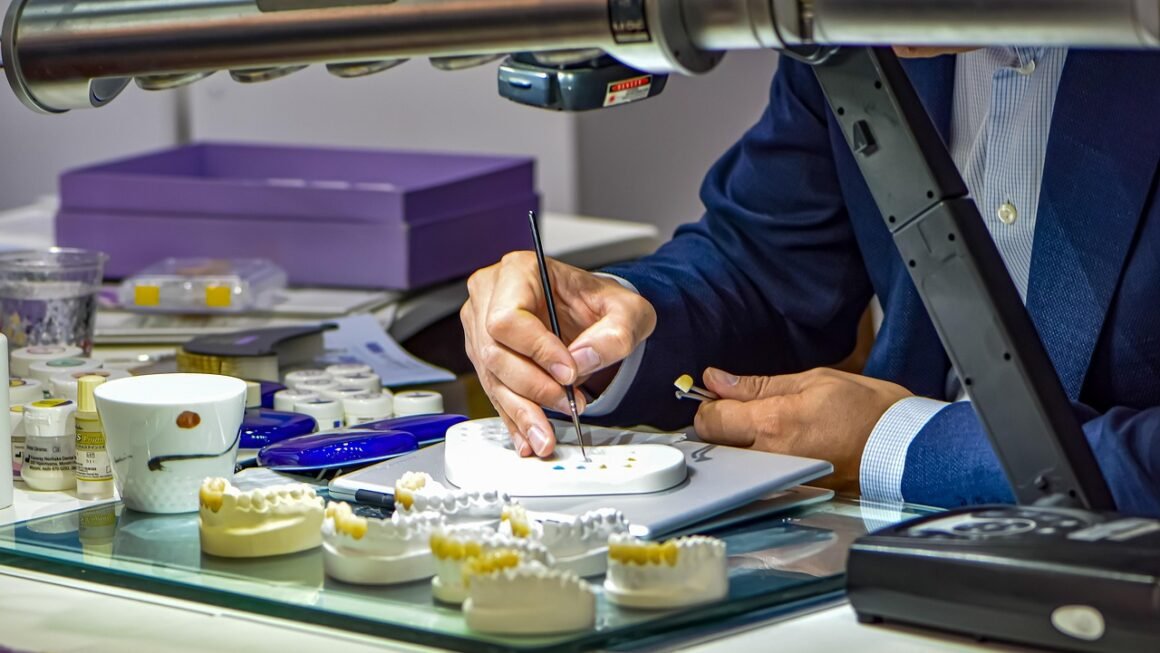
Achieving a brighter, whiter smile is a goal for many, and teeth whitening has become an increasingly popular cosmetic dentistry procedure. However, one of the first questions that arises when considering this transformation is, “How much does teeth whitening cost?” The answer isn’t always straightforward, as several factors influence the final price. Let’s delve into the various types of teeth whitening treatments, their associated costs, and what you can expect during the process.
Types of Teeth Whitening and Their Costs
The cost of teeth whitening varies greatly depending on the method chosen. From over-the-counter options to professional in-office treatments, understanding the differences is key to making an informed decision.
Over-the-Counter Whitening Products
Over-the-counter (OTC) whitening products are the most accessible and generally the least expensive options. These include whitening toothpastes, strips, gels, and mouthwashes.
- Cost: Typically range from $5 to $100.
- Examples:
Whitening toothpastes: $5-$20
Whitening strips (e.g., Crest 3D White): $20-$50
* Whitening gels (e.g., Opalescence Go): $30-$80
- Pros: Affordable, readily available, convenient to use at home.
- Cons: Lower concentration of whitening agents, slower and less dramatic results compared to professional treatments, potential for uneven whitening.
- Takeaway: A good starting point for minor stain removal, but not ideal for significant whitening needs.
At-Home Whitening Kits from Your Dentist
Dentists can provide custom-fitted trays and professional-grade whitening gel for at-home use. This option offers a balance between the convenience of OTC products and the efficacy of in-office treatments.
- Cost: Typically ranges from $300 to $800.
- Example: A custom tray with whitening gel provided by a dentist.
- Pros: Higher concentration of whitening agents than OTC products, custom-fitted trays ensure even distribution, professional guidance from your dentist.
- Cons: More expensive than OTC products, requires multiple applications over several weeks.
- Takeaway: A good option for those seeking professional results with the flexibility of at-home treatment.
In-Office Teeth Whitening
In-office teeth whitening, also known as chairside whitening, is performed by a dental professional in a clinic. This method uses the highest concentration of whitening agents and often involves light or laser activation to accelerate the process.
- Cost: Typically ranges from $500 to $1,500 per treatment.
- Examples: Zoom! Whitening, Laser Whitening.
- Pros: Fastest and most dramatic results, performed under the supervision of a dental professional, protects gums and soft tissues.
- Cons: Most expensive option, potential for increased sensitivity, may require multiple sessions for optimal results.
- Takeaway: The most effective option for those seeking immediate and significant whitening results.
Factors Affecting Teeth Whitening Cost
Several factors can influence the overall cost of teeth whitening beyond the chosen method.
Location
Geographic location plays a significant role in dental service costs. Urban areas with higher living costs generally have more expensive dental treatments compared to rural areas.
- Example: A Zoom! Whitening procedure in New York City might cost $1,200, while the same procedure in a smaller town could cost $800.
Dentist’s Experience and Expertise
Dentists with more experience and specialized training may charge higher fees for their services. Their expertise can ensure a safer and more effective whitening experience.
- Example: A cosmetic dentist with years of experience in teeth whitening might charge a premium compared to a general dentist offering the same service.
Severity of Staining
The extent of tooth discoloration affects the number of treatments needed to achieve the desired results. More severe staining may require multiple in-office sessions or a longer duration of at-home treatment, thus increasing the overall cost.
- Example: Teeth with deep intrinsic stains from tetracycline exposure may require more extensive whitening treatments compared to teeth with surface stains from coffee or tea.
Number of Sessions Required
Some whitening methods may require multiple sessions to achieve the desired level of whiteness. Each session adds to the total cost of the treatment.
- Example: An in-office whitening treatment might require two or three sessions spaced a few weeks apart to achieve optimal results.
Insurance Coverage for Teeth Whitening
Generally, teeth whitening is considered a cosmetic procedure and is not covered by dental insurance. However, there might be exceptions in specific cases where discoloration is a result of trauma or medical treatment.
- Practical Tip: Always check with your dental insurance provider to understand your coverage options.
- Financing Options: Many dental offices offer financing plans or payment options to help patients manage the cost of teeth whitening.
Maintaining Your Whitened Smile
After investing in teeth whitening, maintaining your results is crucial. Proper oral hygiene and lifestyle choices can help prolong the brightness of your smile.
Oral Hygiene Practices
- Brush your teeth at least twice a day with a whitening toothpaste.
- Floss daily to remove plaque and debris.
- Use a mouthwash to kill bacteria and freshen breath.
Lifestyle Modifications
- Limit consumption of staining foods and beverages like coffee, tea, red wine, and berries.
- Avoid smoking and tobacco use.
- Schedule regular dental check-ups and cleanings.
Touch-Up Treatments
- Consider using at-home whitening kits periodically to maintain your results.
- Schedule touch-up in-office treatments as needed.
Potential Risks and Side Effects
While generally safe, teeth whitening can sometimes cause side effects. Understanding these risks is essential for making an informed decision.
Tooth Sensitivity
- One of the most common side effects is temporary tooth sensitivity. This usually subsides within a few days after treatment.
- Mitigation: Use desensitizing toothpaste, avoid very hot or cold foods and beverages.
Gum Irritation
- Whitening agents can sometimes irritate the gums, causing temporary redness or inflammation.
- Mitigation: Ensure custom trays fit properly (for at-home kits), follow dentist’s instructions carefully.
Uneven Whitening
- Improper application of whitening products can lead to uneven results.
- Mitigation: Choose professional treatments or carefully follow instructions for OTC products.
Conclusion
The cost of teeth whitening varies significantly depending on the chosen method, location, and individual needs. While over-the-counter products offer an affordable entry point, professional in-office treatments provide the most dramatic and lasting results. Consider your budget, desired level of whiteness, and sensitivity concerns when selecting the best option for you. Consulting with your dentist can help you make an informed decision and achieve a brighter, more confident smile.