Worried about that persistent discoloration dimming your smile? You’re not alone! Tooth stains are a common concern, affecting millions and impacting confidence. The good news is that preventing tooth stains is achievable with the right knowledge and habits. This guide will equip you with practical strategies to keep your pearly whites shining bright, helping you understand the causes of staining and adopt effective preventative measures. Let’s dive in and uncover the secrets to a stain-free smile!
Understanding the Culprits: Common Causes of Tooth Stains
Dietary Factors: Food and Drink to Watch Out For
Certain foods and drinks are notorious for causing tooth stains. These substances often contain chromogens, pigments that attach to tooth enamel, or are acidic and erode the enamel, making it more susceptible to staining.
- Coffee and Tea: These beverages contain tannins, which are powerful staining agents. Black coffee and black tea are particularly problematic.
- Red Wine: Similar to coffee and tea, red wine is rich in tannins and acids that contribute to staining.
- Soda: Dark-colored sodas contain chromogens and acids that erode enamel. Even light-colored sodas can be acidic and harmful.
- Berries: Dark berries like blueberries, blackberries, and raspberries can leave stains due to their intense pigments.
- Soy Sauce: Its dark color and high acidity can stain teeth over time.
- Curry: The vibrant pigments in curry can also contribute to tooth discoloration.
- Practical Tip: After consuming these stain-inducing foods and drinks, rinse your mouth with water to help minimize their impact on your teeth.
Lifestyle Habits: Smoking and Poor Oral Hygiene
Certain lifestyle habits can significantly increase your risk of tooth stains.
- Smoking and Tobacco Use: Nicotine and tar found in tobacco products are major culprits. These substances can cause yellow or brown stains that are difficult to remove.
- Poor Oral Hygiene: Inadequate brushing and flossing allow plaque and tartar to accumulate, creating a surface for stains to adhere to.
- Infrequent Dental Check-ups: Regular professional cleanings remove plaque and tartar buildup, preventing stains from becoming deeply embedded.
- Actionable Takeaway: Commit to brushing twice daily, flossing daily, and scheduling regular dental check-ups and cleanings to combat these staining factors. Quitting smoking is the best way to avoid tobacco-related stains.
Medical Conditions and Medications
In some cases, tooth stains can be caused by underlying medical conditions or certain medications.
- Certain Medications: Tetracycline antibiotics, when taken during tooth development (before age 8), can cause intrinsic (internal) staining. Other medications, like antihistamines and some high blood pressure medications, can also contribute to stains.
- Medical Treatments: Chemotherapy and radiation treatments can affect tooth enamel and lead to discoloration.
- Dental Fluorosis: Excessive fluoride intake during tooth development can cause fluorosis, resulting in white spots or streaks on the teeth.
- Age: As we age, the enamel on our teeth thins, making the underlying dentin (which is naturally yellow) more visible.
- Example: If you’re taking a medication that you suspect is causing tooth stains, talk to your doctor or dentist about possible alternatives or strategies to minimize the impact.
Building a Stain-Resistant Oral Hygiene Routine
Brushing Techniques: Mastering the Art of Clean
Effective brushing is the cornerstone of preventing tooth stains.
- Brush twice daily: Aim to brush for two minutes each time, using a soft-bristled toothbrush and fluoride toothpaste.
- Proper Technique: Use gentle, circular motions to clean all surfaces of your teeth, including the front, back, and chewing surfaces. Pay attention to the gumline.
- Tongue Cleaning: Brush your tongue to remove bacteria and prevent bad breath, which can also contribute to oral health issues.
- Electric Toothbrush: Consider using an electric toothbrush, as it can be more effective at removing plaque and stains compared to a manual toothbrush. Many come with built-in timers to ensure you brush for the recommended two minutes.
- Key Point: Consistency is key! Make brushing a non-negotiable part of your daily routine.
Flossing: Reaching Where Your Brush Can’t
Flossing removes plaque and food particles from between your teeth, where your toothbrush can’t reach.
- Floss daily: Ideally, floss once a day, preferably before bedtime.
- Proper Technique: Use about 18 inches of floss, winding it around your middle fingers. Gently guide the floss between your teeth, using a sawing motion. Curve the floss around each tooth and slide it under the gumline.
- Alternatives: If you find traditional flossing difficult, consider using floss picks or interdental brushes.
- Benefit: Flossing not only prevents stains but also helps prevent gum disease and cavities.
Choosing the Right Toothpaste
The toothpaste you use can play a significant role in stain prevention.
- Fluoride Toothpaste: Fluoride strengthens enamel and helps protect against cavities and stains.
- Whitening Toothpaste: These toothpastes contain mild abrasives that help remove surface stains. Look for the ADA Seal of Acceptance.
- Sensitivity Toothpaste: If you have sensitive teeth, choose a toothpaste specifically designed for sensitivity.
- Important Note: While whitening toothpastes can help remove surface stains, they won’t significantly change the natural color of your teeth. For more dramatic whitening, consider professional whitening treatments.
Professional Stain Removal and Whitening Options
Regular Dental Cleanings
Professional dental cleanings are essential for removing stubborn plaque and tartar buildup.
- Frequency: Schedule dental cleanings every six months, or as recommended by your dentist.
- Benefits: Professional cleanings remove surface stains and prevent the formation of new stains. Your dental hygienist can also provide personalized oral hygiene advice.
- Fact: Regular dental cleanings can remove stains that are difficult to remove at home.
Professional Teeth Whitening Treatments
Professional teeth whitening treatments offer more dramatic results compared to over-the-counter options.
- In-Office Whitening: This involves applying a high-concentration whitening gel to your teeth, often activated by a special light. Results are typically visible in one appointment.
- Take-Home Whitening Kits: Your dentist can provide custom-fitted trays and a whitening gel for you to use at home. This option offers more gradual results.
- Considerations: Discuss your whitening goals with your dentist to determine the best treatment option for you.
- Warning: Over-the-counter whitening products can be effective, but they may not be as potent as professional treatments and can sometimes cause tooth sensitivity. Always follow the product instructions carefully.
Minimally Invasive Cosmetic Procedures
Sometimes, simple teeth whitening procedures aren’t enough to cover or remove deep stains, in which case, minimally invasive options might need to be explored.
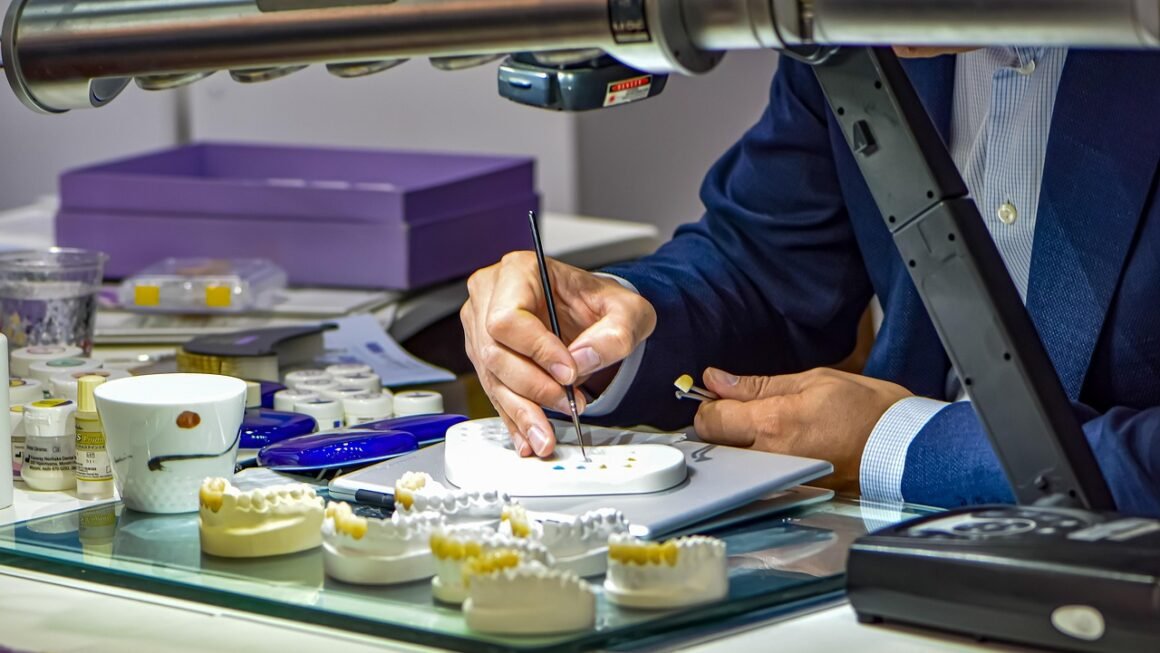
- Dental Veneers: These are thin shells, usually made from porcelain, that are bonded to the front surface of the teeth to improve their appearance, including covering stains that can’t be removed by bleaching.
- Composite Bonding: A tooth-colored resin material is applied and shaped to the teeth, covering up stains.
Simple Lifestyle Adjustments for a Brighter Smile
Strategic Food and Drink Choices
Be mindful of your diet and make smart choices to minimize your risk of tooth stains.
- Limit Stain-Inducing Foods and Drinks: Reduce your consumption of coffee, tea, red wine, soda, and dark-colored foods.
- Drink Through a Straw: When consuming stain-inducing beverages, use a straw to minimize contact with your teeth.
- Eat Stain-Fighting Foods: Certain foods, like apples, celery, and carrots, can help scrub away surface stains due to their crunchy texture.
- Example: Instead of sipping on coffee throughout the morning, switch to green tea or herbal tea, which are less likely to cause stains.
Maintaining Hydration
Staying hydrated is crucial for oral health and stain prevention.
- Drink Plenty of Water: Water helps rinse away food particles and acids, preventing them from staining your teeth.
- Rinse After Meals: After eating or drinking, rinse your mouth with water to help remove stain-causing substances.
- Tip: Carry a water bottle with you and sip throughout the day.
Conclusion
Preventing tooth stains requires a proactive approach that combines good oral hygiene habits, smart dietary choices, and regular dental care. By understanding the causes of tooth stains and implementing the strategies outlined in this guide, you can keep your smile bright and confident for years to come. Remember, consistency is key! Make these tips a part of your daily routine, and you’ll be well on your way to a stain-free smile. Don’t hesitate to consult with your dentist or dental hygienist for personalized advice and professional treatments to maintain optimal oral health and a dazzling smile.