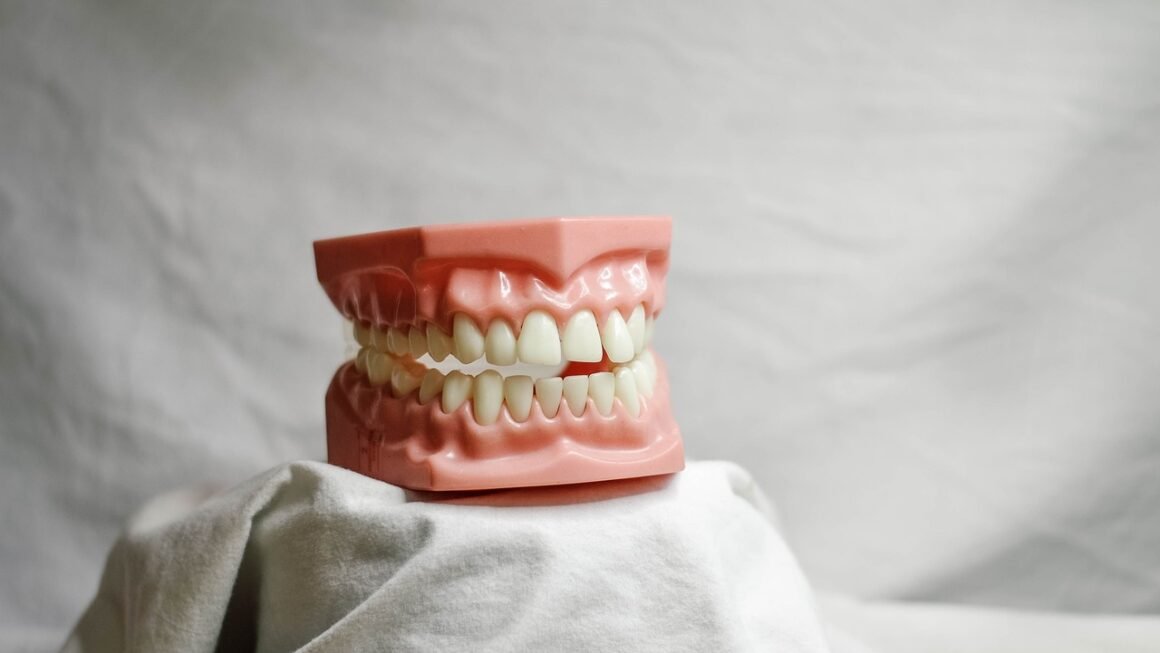
Maintaining excellent dental hygiene is crucial for overall health and well-being, extending far beyond just a bright smile. As adults, we face unique challenges that can impact our oral health, from the effects of aging to lifestyle choices. Understanding and implementing a robust dental hygiene routine is the key to preventing problems like cavities, gum disease, and even systemic illnesses. Let’s delve into the essentials of adult dental hygiene and discover how to achieve and maintain a healthy, confident smile.
The Foundation: Brushing Like a Pro
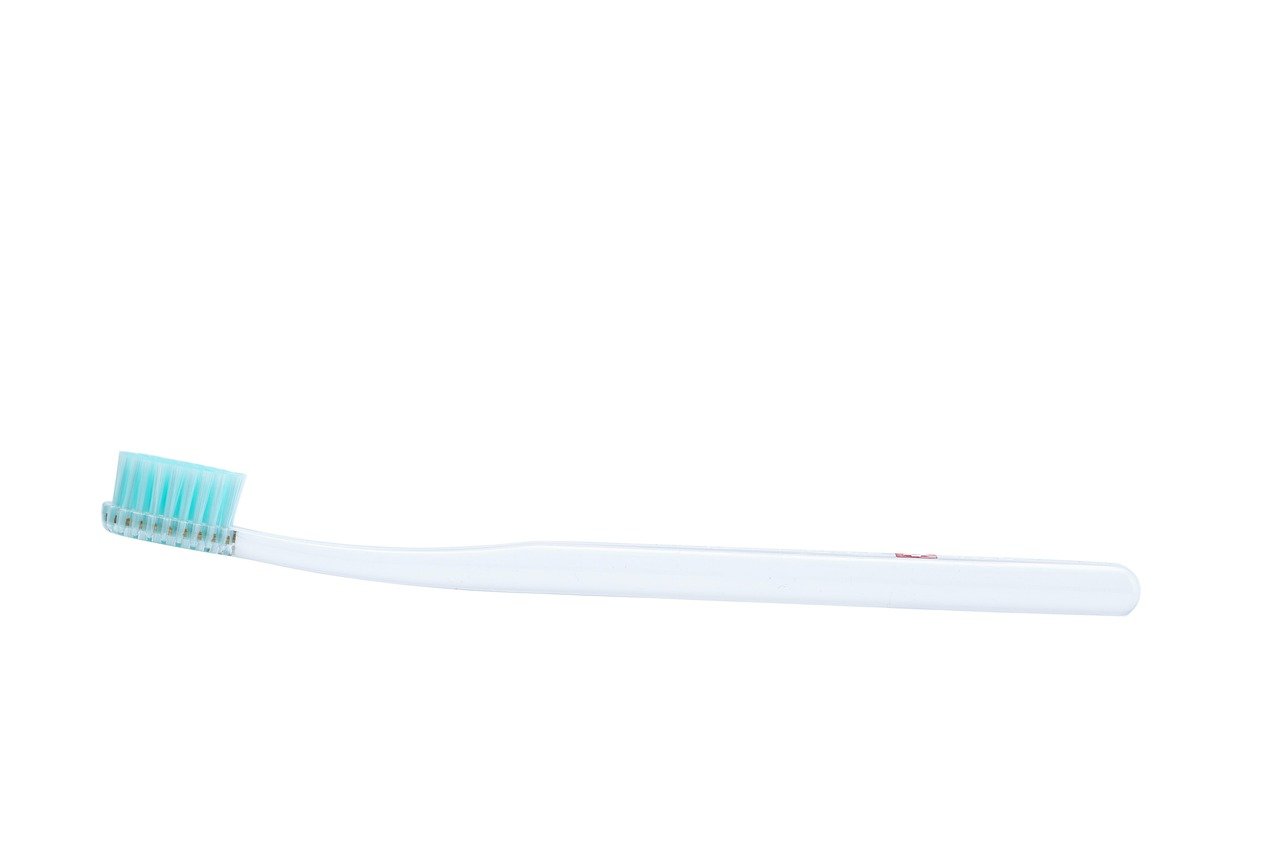
Choosing the Right Toothbrush
Selecting the right toothbrush is the first step towards effective brushing. Consider these factors:
- Bristle Softness: Opt for a soft-bristled toothbrush. Hard bristles can damage your enamel and gums over time.
- Brush Head Size: Choose a brush head that allows you to reach all areas of your mouth comfortably, including the back teeth.
- Manual vs. Electric: Both are effective. Electric toothbrushes often come with timers and pressure sensors, which can help improve technique. If you prefer manual, focus on proper brushing technique.
- ADA Seal of Acceptance: Look for this seal, which indicates the toothbrush has met the American Dental Association’s standards for safety and effectiveness.
Mastering the Brushing Technique
Brushing isn’t just about scrubbing; it’s about technique. Follow these steps for optimal cleaning:
- Angle: Hold your toothbrush at a 45-degree angle to your gums.
- Motion: Use gentle, short, back-and-forth strokes. Avoid harsh scrubbing.
- Coverage: Clean every surface of each tooth – the outer surface, inner surface, and chewing surface.
- Duration: Brush for at least two minutes. Many electric toothbrushes have built-in timers to help you achieve this. Divide your mouth into quadrants (upper right, upper left, lower right, lower left) and spend 30 seconds on each.
- Frequency: Brush at least twice a day – once in the morning and once before bed.
- Example: Imagine you’re drawing small circles on each tooth. This helps to remove plaque and bacteria without damaging your gums.
When to Replace Your Toothbrush
Your toothbrush isn’t designed to last forever. Replace it:
- Every three months: This is the standard recommendation.
- Sooner if the bristles are frayed: Frayed bristles are less effective at cleaning and can harbor bacteria.
- After you’ve been sick: Replacing your toothbrush after an illness helps prevent reinfection.
Flossing: Reaching Where Your Brush Can’t
The Importance of Flossing
Flossing is essential for removing plaque and food particles from between your teeth and along the gumline, areas your toothbrush can’t reach. Neglecting to floss can lead to:
- Cavities between teeth
- Gum disease (gingivitis and periodontitis)
- Bad breath
Choosing the Right Floss
Various types of floss are available. Experiment to find what works best for you:
- Waxed vs. Unwaxed: Waxed floss slides more easily between teeth, while unwaxed floss may be better at grabbing plaque.
- Flavored vs. Unflavored: This is a matter of personal preference.
- Dental Tape: Wider than standard floss, dental tape is good for people with wider spaces between their teeth.
- Floss Picks: These pre-threaded floss holders can be easier to use, especially for those with dexterity issues.
Mastering the Flossing Technique
Proper flossing technique is crucial for effectiveness:
- Length: Use about 18 inches of floss, winding most of it around your middle fingers.
- Grip: Hold the floss taut between your thumbs and index fingers.
- Motion: Gently slide the floss between your teeth using a sawing motion.
- Curve: Curve the floss into a “C” shape around each tooth, ensuring it reaches below the gumline.
- Up-and-Down Motion: Gently move the floss up and down along the side of each tooth to remove plaque.
- Fresh Section: Use a clean section of floss for each tooth.
- Frequency: Floss at least once a day, preferably before bed.
- Example: Don’t snap the floss down into the gums. This can cause irritation. Use gentle, controlled movements.
Rinsing: The Finishing Touch
The Benefits of Mouthwash
Mouthwash can complement brushing and flossing, offering several benefits:
- Reduces Plaque and Gingivitis: Some mouthwashes contain ingredients that kill bacteria and reduce plaque buildup. Look for products with chlorhexidine (prescription) or essential oils.
- Freshens Breath: Mouthwash can temporarily mask bad breath.
- Fluoride Protection: Fluoride mouthwashes can help strengthen tooth enamel and prevent cavities.
- Dry Mouth Relief: Certain mouthwashes are formulated to hydrate the mouth and relieve dry mouth symptoms.
Choosing the Right Mouthwash
Consider these factors when selecting a mouthwash:
- Ingredients: Look for mouthwashes that contain fluoride, antiseptic agents (like chlorhexidine or essential oils), or ingredients that combat dry mouth.
- Alcohol Content: Some mouthwashes contain alcohol, which can dry out your mouth. If you have dry mouth, choose an alcohol-free option.
- ADA Seal of Acceptance: Look for this seal to ensure the mouthwash has been tested for safety and effectiveness.
Proper Rinsing Technique
To maximize the benefits of mouthwash, follow these guidelines:
- Timing: Rinse after brushing and flossing.
- Amount: Use the amount recommended on the product label (usually about 20 ml).
- Duration: Rinse for 30-60 seconds, ensuring the mouthwash reaches all areas of your mouth.
- Do Not Swallow: Spit out the mouthwash after rinsing.
- Avoid Eating or Drinking: Do not eat or drink for at least 30 minutes after rinsing to allow the mouthwash to work effectively.
Diet and Lifestyle: Protecting Your Smile from Within
The Impact of Diet on Dental Health
Your diet plays a significant role in your oral health. Certain foods and drinks can contribute to:
- Tooth Decay: Sugary and acidic foods and drinks erode tooth enamel, increasing the risk of cavities.
- Gum Disease: A diet high in sugar and processed foods can promote inflammation and contribute to gum disease.
- Staining: Coffee, tea, red wine, and certain berries can stain your teeth.
Foods to Embrace and Avoid
- Embrace:
Water: Stay hydrated. Water helps wash away food particles and neutralizes acids in your mouth.
Fiber-Rich Fruits and Vegetables: These stimulate saliva production, which helps cleanse the mouth and neutralize acids. Examples include apples, carrots, and celery.
Dairy Products: Milk, cheese, and yogurt contain calcium and phosphates, which strengthen tooth enamel.
Lean Proteins: These provide essential nutrients for healthy gums and teeth.
- Avoid:
Sugary Drinks: Soda, juice, and sports drinks are major contributors to tooth decay.
Sticky Candies: These cling to your teeth and provide a breeding ground for bacteria.
Acidic Foods and Drinks: Citrus fruits, tomatoes, and vinegar can erode tooth enamel.
Processed Foods: Often high in sugar and low in nutrients, these can contribute to oral health problems.
Lifestyle Factors
- Smoking and Tobacco Use: Smoking significantly increases the risk of gum disease, tooth loss, and oral cancer. Quitting smoking is one of the best things you can do for your oral health.
- Alcohol Consumption: Excessive alcohol consumption can dry out your mouth and increase the risk of oral cancer. Drink in moderation.
- Stress: Stress can lead to teeth grinding (bruxism), which can damage your teeth. Manage stress through exercise, meditation, or other relaxation techniques.
Regular Dental Check-ups: Your Partner in Oral Health
The Importance of Professional Cleanings and Examinations
Regular dental check-ups are crucial for maintaining optimal oral health. Professional cleanings remove plaque and tartar that you can’t remove at home, and examinations allow your dentist to detect and treat problems early.
- Early Detection: Your dentist can identify early signs of cavities, gum disease, oral cancer, and other dental problems.
- Professional Cleaning: Hygienists use specialized tools to remove plaque and tartar from your teeth, including hard-to-reach areas.
- Fluoride Treatment: Professional fluoride treatments can strengthen tooth enamel and help prevent cavities.
- Personalized Advice: Your dentist can provide personalized advice on brushing, flossing, and other aspects of oral hygiene.
How Often to Visit Your Dentist
The recommended frequency of dental visits varies depending on individual needs, but the general guideline is:
- Every six months: For most adults, a check-up and cleaning every six months is sufficient.
- More frequently: If you have gum disease, a history of cavities, or other oral health problems, your dentist may recommend more frequent visits.
What to Expect During a Dental Check-up
- Examination: Your dentist will examine your teeth, gums, and mouth for signs of problems.
- X-rays: X-rays may be taken to detect cavities, bone loss, and other issues that are not visible to the naked eye.
- Cleaning: A dental hygienist will remove plaque and tartar from your teeth.
- Discussion: Your dentist will discuss your oral health with you and recommend any necessary treatment.
Addressing Specific Concerns
Dry Mouth (Xerostomia)
- Causes: Medications, medical conditions, and aging can cause dry mouth.
- Consequences: Dry mouth increases the risk of cavities, gum disease, and oral infections.
- Management:
Drink plenty of water.
Use saliva substitutes.
Chew sugar-free gum to stimulate saliva production.
Avoid alcohol and caffeine.
Talk to your dentist or doctor about medications that may be causing dry mouth.
Gum Disease (Gingivitis and Periodontitis)
- Gingivitis: Inflammation of the gums, often caused by plaque buildup. Symptoms include red, swollen, and bleeding gums.
- Periodontitis: A more severe form of gum disease that damages the soft tissue and bone supporting your teeth. Can lead to tooth loss.
- Treatment:
Professional cleaning (scaling and root planing)
Antibiotics
Surgery (in severe cases)
Improved oral hygiene
Teeth Grinding (Bruxism)
- Causes: Stress, anxiety, and sleep disorders can cause teeth grinding.
- Consequences: Headaches, jaw pain, and tooth damage.
- Management:
Mouthguard (to protect your teeth during sleep)
Stress management techniques
Muscle relaxants
Conclusion
Maintaining excellent dental hygiene as an adult is a lifelong commitment that requires consistent effort and attention. By following the guidelines outlined in this blog post – brushing and flossing correctly, using mouthwash, maintaining a healthy diet, and visiting your dentist regularly – you can protect your teeth and gums, prevent oral health problems, and enjoy a healthy, confident smile for years to come. Don’t underestimate the power of a proactive approach to dental care – it’s an investment in your overall health and well-being.