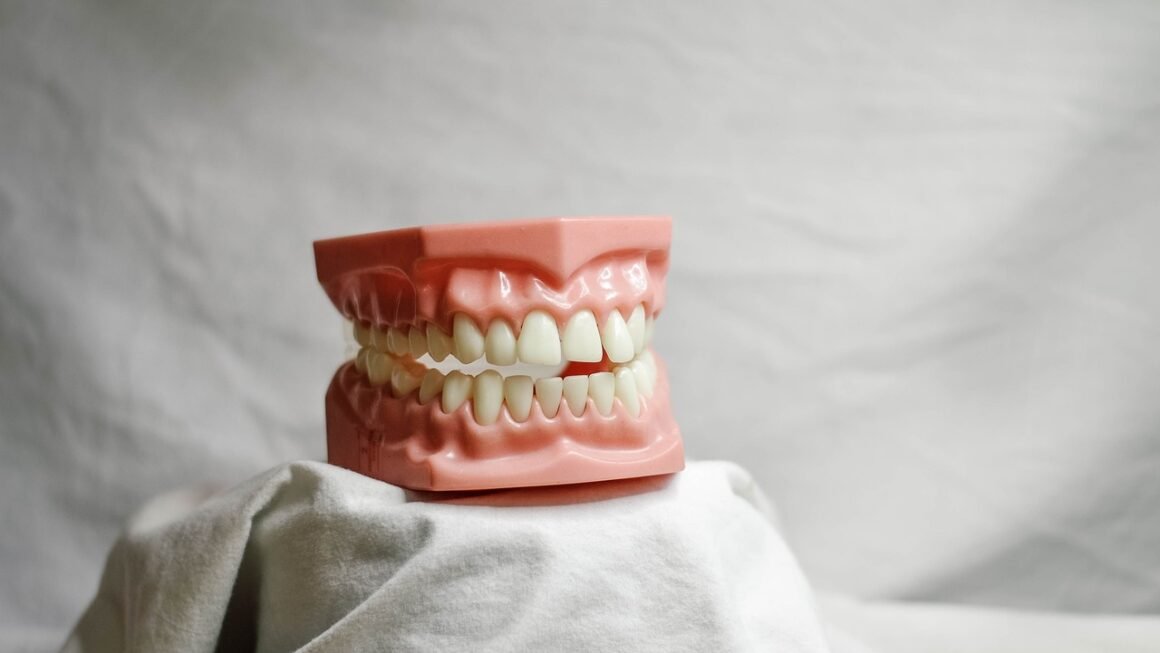
Maintaining excellent dental hygiene as an adult is crucial for not only a bright, confident smile but also for overall health. Neglecting your teeth and gums can lead to a variety of problems, from cavities and gum disease to more serious systemic health issues. This guide provides a comprehensive overview of essential dental hygiene practices that adults can implement to protect their oral health and ensure a healthy smile for years to come.
The Foundation: Brushing and Flossing
Mastering the Art of Brushing
Brushing is the cornerstone of any effective dental hygiene routine. It removes plaque and food particles that can lead to cavities and gum disease.
- Technique is Key: Use a soft-bristled toothbrush and fluoride toothpaste. Hold the brush at a 45-degree angle to your gums and use gentle, circular motions. Avoid aggressive scrubbing, which can damage your enamel and gums.
- Duration Matters: Aim to brush for at least two minutes, twice a day – once in the morning and once before bed. Many electric toothbrushes have built-in timers to help you achieve this.
- Don’t Forget Your Tongue: Brushing your tongue helps remove bacteria and freshen your breath. You can also use a tongue scraper.
- Example: Imagine dividing your mouth into four quadrants (upper right, upper left, lower right, lower left). Spend 30 seconds on each quadrant to ensure a thorough cleaning.
The Importance of Flossing
Flossing removes plaque and food particles from between your teeth and along the gumline, areas your toothbrush can’t reach.
- Daily Practice: Floss at least once a day, preferably before brushing, to loosen debris that can then be brushed away.
- Proper Technique: Use about 18 inches of floss, wrapping it around your middle fingers. Gently guide the floss between your teeth using a sawing motion. Curve the floss around each tooth in a “C” shape and slide it under the gumline.
- Alternatives: If you find traditional flossing difficult, consider using interdental brushes or a water flosser.
- Example: If you have tightly spaced teeth, waxed floss may be easier to use than unwaxed floss.
Diet and Oral Health
The Impact of Food and Drink
What you eat and drink significantly impacts your oral health. Sugary and acidic foods and beverages can erode enamel and contribute to cavities.
- Limit Sugary Foods and Drinks: Candy, soda, and processed snacks are major culprits. If you do indulge, brush your teeth afterward.
- Reduce Acidic Intake: Citrus fruits, tomatoes, and vinegar can weaken enamel. Consume them in moderation and rinse your mouth with water afterward.
- Choose Healthy Options: Opt for crunchy fruits and vegetables, which stimulate saliva production and help clean your teeth. Water is the best beverage for oral health.
- Example: Instead of reaching for a sugary soda, try sparkling water with a slice of lemon or lime for a refreshing and healthy alternative.
Hydration is Crucial
Saliva plays a vital role in neutralizing acids, remineralizing enamel, and washing away food particles. Staying hydrated helps maintain adequate saliva production.
- Drink Plenty of Water: Aim for at least eight glasses of water a day.
- Avoid Sugary Drinks: Replace sugary drinks with water to reduce the risk of cavities.
- Dry Mouth Management: If you experience dry mouth, talk to your dentist about saliva substitutes or other remedies.
- Example: Carry a reusable water bottle with you throughout the day and refill it regularly to stay hydrated.
Regular Dental Check-ups
The Role of Professional Cleanings
Even with diligent home care, plaque and tartar can accumulate, especially in hard-to-reach areas. Regular professional cleanings are essential for removing these deposits.
- Frequency: Most adults should visit the dentist for a cleaning every six months. However, your dentist may recommend more frequent visits if you have gum disease or other oral health concerns.
- What to Expect: A dental hygienist will use specialized tools to remove plaque and tartar from your teeth, both above and below the gumline. They will also polish your teeth and provide personalized oral hygiene instructions.
- Benefits: Professional cleanings help prevent cavities, gum disease, and bad breath. They also allow your dentist to detect early signs of oral health problems.
The Importance of Dental Examinations
Dental examinations allow your dentist to assess the overall health of your mouth, including your teeth, gums, and surrounding tissues.
- Comprehensive Assessment: Your dentist will check for cavities, gum disease, oral cancer, and other abnormalities. They may also take X-rays to evaluate the health of your teeth and bone.
- Early Detection: Regular examinations allow your dentist to detect problems early, when they are easier and less expensive to treat.
- Personalized Recommendations: Your dentist can provide personalized recommendations for improving your oral hygiene and preventing future problems.
- Example: During a routine examination, your dentist may notice a small area of enamel erosion that you haven’t detected. They can then recommend specific fluoride treatments or dietary changes to prevent further damage.
Addressing Specific Concerns
Gum Disease Prevention and Treatment
Gum disease, also known as periodontal disease, is a common condition that affects the gums and supporting bone. If left untreated, it can lead to tooth loss.
- Signs and Symptoms: Red, swollen, or bleeding gums, persistent bad breath, and loose teeth are common signs of gum disease.
- Prevention: Good oral hygiene, including brushing and flossing, is essential for preventing gum disease. Regular dental check-ups and professional cleanings are also crucial.
- Treatment Options: Treatment for gum disease may include scaling and root planing (deep cleaning), antibiotics, or surgery.
- Example: If you notice that your gums bleed easily when you brush or floss, schedule an appointment with your dentist to be evaluated for gum disease.
Sensitivity and Enamel Protection
Tooth sensitivity is a common problem that can make eating and drinking uncomfortable.
- Causes of Sensitivity: Tooth sensitivity can be caused by enamel erosion, receding gums, or cracked teeth.
- Management Strategies: Use a toothpaste designed for sensitive teeth. Avoid acidic foods and drinks. Consider fluoride treatments to strengthen enamel.
- Professional Help: If your sensitivity is severe or persistent, see your dentist to rule out underlying problems and discuss treatment options.
- Example: If you experience sensitivity when drinking cold beverages, try using a soft-bristled toothbrush and desensitizing toothpaste to alleviate the discomfort.
Conclusion
Prioritizing your dental hygiene as an adult is an investment in your overall health and well-being. By adopting a consistent routine of brushing, flossing, maintaining a healthy diet, and attending regular dental check-ups, you can prevent dental problems and enjoy a healthy, confident smile for years to come. Remember, a healthy mouth contributes to a healthier you!