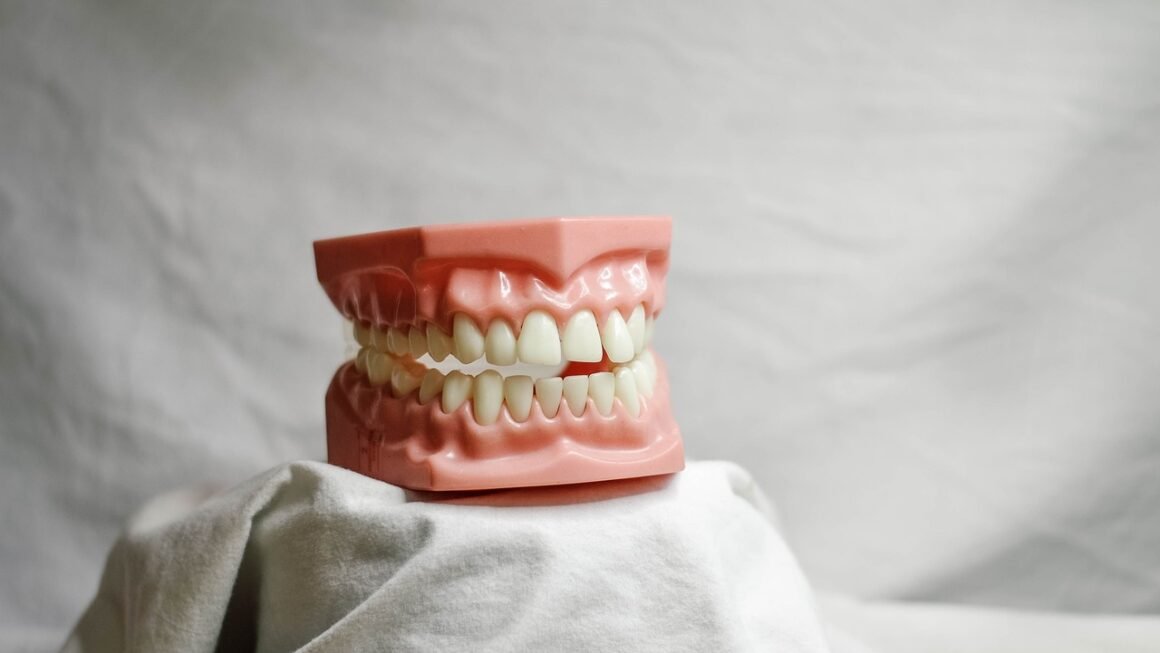
Oral health is an integral part of our overall well-being, impacting everything from our ability to eat and speak comfortably to our self-esteem. Yet, many of us often overlook the importance of consistent and effective dental hygiene practices. This blog post aims to provide a comprehensive guide to dental hygiene education, covering everything from the basics of brushing and flossing to understanding professional cleanings and preventative care. By empowering you with knowledge and practical tips, we hope to help you achieve and maintain a healthy, radiant smile for years to come.
The Foundations of a Healthy Smile: Brushing and Flossing
Maintaining a healthy smile begins with mastering the fundamental techniques of brushing and flossing. These are the cornerstones of preventing cavities, gum disease, and other oral health issues.
Mastering the Art of Brushing
Brushing removes plaque and food particles from the surfaces of your teeth, preventing the buildup of harmful bacteria. Here’s how to brush effectively:
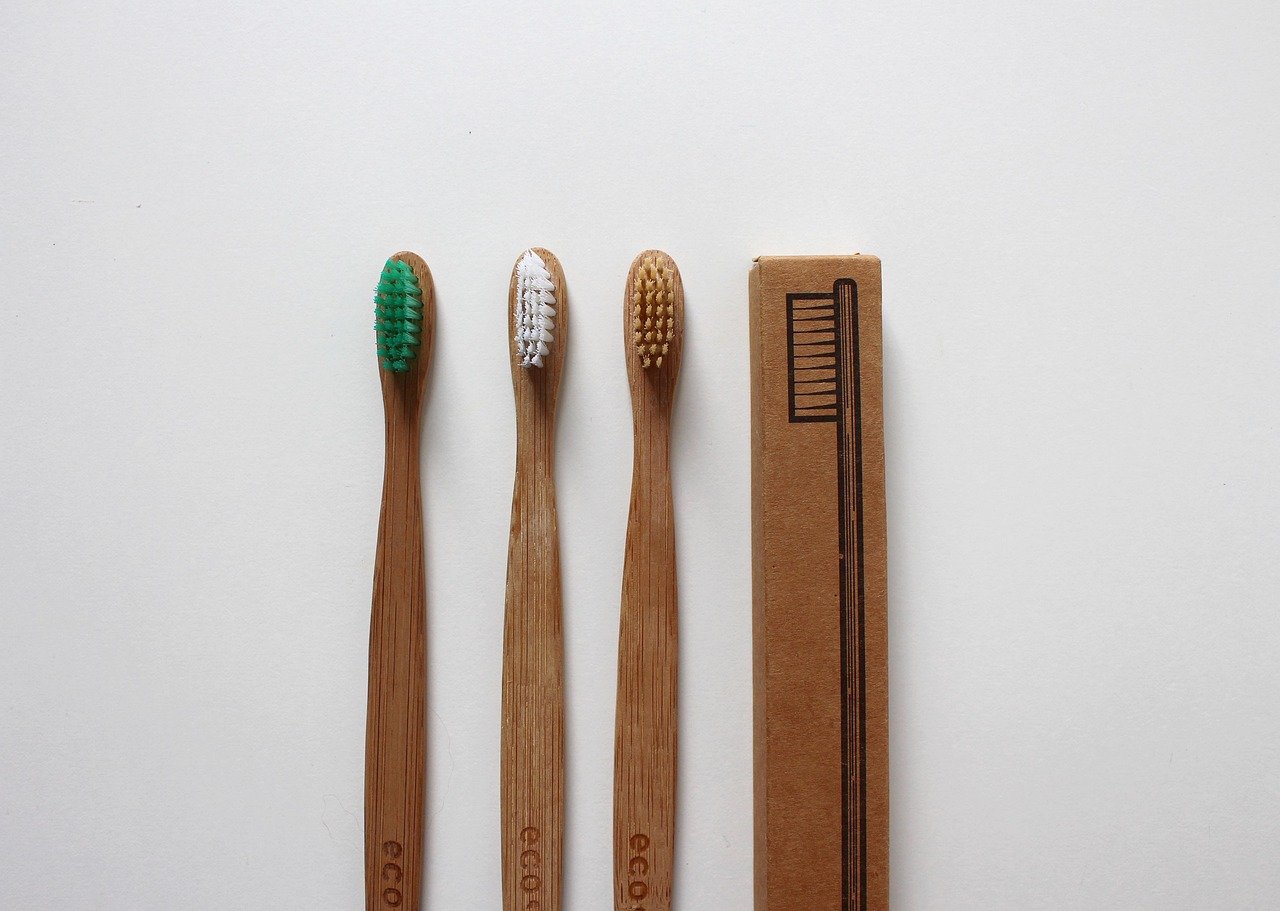
- Choose the right toothbrush: Opt for a soft-bristled toothbrush. Hard bristles can damage your enamel and gums. Electric toothbrushes can also be highly effective, especially for individuals with limited dexterity.
- Use fluoride toothpaste: Fluoride strengthens tooth enamel and helps prevent cavities. A pea-sized amount is sufficient.
- Brush for two minutes: Many people underestimate how long they brush. Use a timer or play a two-minute song to ensure you brush for the recommended duration.
- Employ the correct technique: Angle the toothbrush at 45 degrees to the gumline. Use short, gentle, circular motions to clean each tooth. Don’t forget to brush the tongue to remove bacteria and freshen breath.
- Replace your toothbrush regularly: Aim to replace your toothbrush every three months, or sooner if the bristles are frayed.
- Practical Example: Consider using a brushing app that guides you through each quadrant of your mouth, ensuring you brush evenly and for the correct amount of time. These apps often track your progress and provide helpful tips.
The Importance of Flossing
Flossing removes plaque and food particles from between your teeth and under the gumline, areas that your toothbrush can’t reach.
- Use the correct flossing technique: Use about 18 inches of floss, winding most of it around your middle fingers, leaving a few inches to work with. Gently guide the floss between your teeth using a sawing motion. Curve the floss into a “C” shape against one tooth, sliding it gently under the gumline. Repeat on the other side.
- Floss at least once a day: Ideally, floss before you brush, as this allows the fluoride in your toothpaste to reach between your teeth more effectively.
- Explore flossing alternatives: If you find traditional floss difficult to use, consider using floss picks or interdental brushes.
- Practical Example: If you have tight spaces between your teeth, waxed floss might be easier to use. For wider gaps, interdental brushes can be more effective.
Understanding the Role of Diet in Dental Health
What you eat and drink significantly impacts your oral health. Sugary and acidic foods can contribute to tooth decay and erosion.
Foods to Limit or Avoid
- Sugary drinks: Sodas, juices, and sports drinks are high in sugar and can erode tooth enamel.
- Candy and sweets: Sticky candies and sweets cling to teeth, providing fuel for bacteria that cause cavities.
- Acidic foods and drinks: Citrus fruits, tomatoes, and vinegar can erode tooth enamel.
- Processed carbohydrates: Chips, crackers, and white bread can break down into sugars in the mouth.
Foods That Promote Dental Health
- Water: Drinking plenty of water helps to wash away food particles and bacteria.
- Crunchy fruits and vegetables: Apples, carrots, and celery stimulate saliva production and help to clean teeth.
- Dairy products: Milk, cheese, and yogurt contain calcium and phosphate, which strengthen tooth enamel.
- Nuts and seeds: Nuts and seeds are rich in protein and minerals that are beneficial for oral health.
- Leafy green vegetables: Spinach, kale, and other leafy greens are rich in vitamins and minerals that support healthy gums and teeth.
- Practical Example: After consuming sugary or acidic foods, rinse your mouth with water to help neutralize the acids and remove food particles.
Professional Dental Care: Cleanings and Check-ups
Regular visits to your dentist and dental hygienist are crucial for maintaining optimal oral health. Professional cleanings remove plaque and tartar buildup, while check-ups allow your dentist to identify and treat potential problems early on.
The Importance of Regular Dental Visits
- Professional cleanings: Remove plaque and tartar that you can’t remove at home. Tartar buildup can only be removed by a dental professional.
- Early detection of problems: Your dentist can detect early signs of cavities, gum disease, and other oral health issues, allowing for timely treatment.
- Oral cancer screenings: Regular dental check-ups include oral cancer screenings, which can help detect cancer at an early stage.
- Personalized advice: Your dentist can provide personalized advice on how to improve your oral hygiene and address any specific concerns you may have.
What to Expect During a Dental Cleaning
- Scaling: Removal of plaque and tartar from the teeth surfaces.
- Polishing: Smoothing the teeth surfaces to remove stains and make it harder for plaque to adhere.
- Fluoride treatment: Application of fluoride to strengthen tooth enamel and prevent cavities.
- Oral examination: Examination of the teeth, gums, and mouth to identify any potential problems.
- Practical Example: Most dentists recommend visiting every 6 months for a routine cleaning and checkup. However, if you have a history of gum disease or other oral health issues, you may need to visit more frequently.
Understanding Common Oral Health Issues and Prevention
Being aware of common oral health issues and taking preventative measures can significantly reduce your risk of developing these problems.
Cavities (Tooth Decay)
- Cause: Caused by bacteria that produce acids that erode tooth enamel.
- Prevention: Brush and floss regularly, limit sugary foods and drinks, and visit your dentist regularly for check-ups and fluoride treatments.
Gum Disease (Gingivitis and Periodontitis)
- Cause: Caused by plaque buildup along the gumline, leading to inflammation and infection of the gums.
- Prevention: Brush and floss regularly, visit your dentist regularly for cleanings, and avoid smoking.
Oral Cancer
- Risk Factors: Smoking, excessive alcohol consumption, and HPV infection.
- Prevention: Avoid smoking and excessive alcohol consumption, and visit your dentist regularly for oral cancer screenings.
Bad Breath (Halitosis)
- Cause: Can be caused by poor oral hygiene, dry mouth, or certain medical conditions.
- Prevention: Brush and floss regularly, clean your tongue, stay hydrated, and visit your dentist to rule out any underlying medical conditions.
- Practical Example: If you notice any changes in your mouth, such as sores, lumps, or persistent pain, consult your dentist immediately. Early detection is crucial for effective treatment.
Advanced Dental Hygiene Techniques and Tools
Beyond brushing and flossing, there are advanced techniques and tools that can further enhance your oral hygiene.
Water Flossers
- Benefits: Effective for removing plaque and food particles from between teeth and under the gumline, especially for people with braces or dental implants.
- How to use: Aim the water flosser at the gumline and between your teeth, using a gentle pressure setting.
Interdental Brushes
- Benefits: Effective for cleaning between teeth, especially for people with wider gaps or gum recession.
- How to use: Gently insert the interdental brush between your teeth, using a back-and-forth motion.
Tongue Scrapers
- Benefits: Remove bacteria and debris from the tongue, helping to freshen breath.
- How to use: Gently scrape the tongue from back to front, rinsing the scraper after each swipe.
Mouthwash
- Benefits: Help to kill bacteria, freshen breath, and prevent plaque buildup.
- How to use: Rinse with mouthwash for 30 seconds after brushing and flossing.
- Practical Example: Consult with your dentist or dental hygienist to determine which advanced techniques and tools are best suited for your individual needs.
Conclusion
Prioritizing dental hygiene education and implementing effective oral care practices is an investment in your overall health and well-being. By understanding the importance of brushing, flossing, diet, professional care, and preventative measures, you can significantly reduce your risk of developing oral health problems and maintain a healthy, confident smile for life. Remember to make dental hygiene a daily habit and consult with your dental professional for personalized guidance and care.