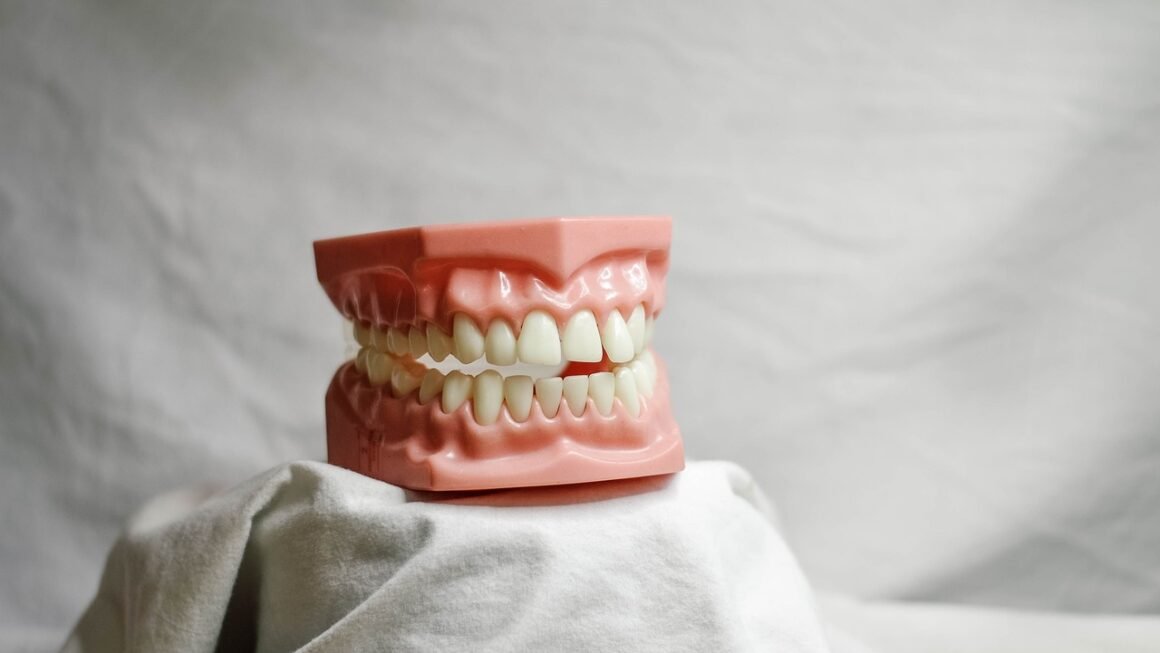
Dental hygiene education is often overlooked, yet it’s the cornerstone of a healthy and vibrant smile. Proper oral hygiene isn’t just about brushing; it’s a comprehensive approach encompassing various techniques, tools, and habits that contribute to overall well-being. This blog post will delve into the importance of dental hygiene education, providing you with practical tips and knowledge to maintain a healthy smile for years to come.
Understanding the Basics of Dental Hygiene
The Importance of Brushing and Flossing
Brushing and flossing are the fundamental pillars of dental hygiene. They work together to remove plaque and food particles from the surfaces of your teeth and between them. Plaque is a sticky film of bacteria that constantly forms on your teeth, and if left unremoved, it can lead to cavities, gum disease, and other oral health problems.
- Brushing: Brush your teeth at least twice a day, for two minutes each time, using a soft-bristled toothbrush and fluoride toothpaste. Use gentle, circular motions to clean all surfaces of each tooth. Don’t forget to brush your tongue to remove bacteria and freshen your breath.
- Flossing: Floss at least once a day to remove plaque and food particles from between your teeth and under the gumline, areas that your toothbrush can’t reach. Use about 18 inches of floss, wrapping it around your middle fingers and gently guiding it between your teeth.
Example: Think of brushing as cleaning the flat surfaces of your kitchen counters and flossing as cleaning the hard-to-reach corners and crevices. Both are essential for a truly clean kitchen (or mouth!).
The Role of Fluoride
Fluoride is a naturally occurring mineral that strengthens tooth enamel, making it more resistant to acid attacks from plaque bacteria. It can also help to repair early stages of tooth decay.
- Fluoride Toothpaste: Use fluoride toothpaste for your daily brushing routine.
- Fluoridated Water: Many communities add fluoride to their water supply, providing an additional source of fluoride.
- Fluoride Treatments: Your dentist may recommend professional fluoride treatments, especially if you are at high risk for tooth decay.
Did You Know? According to the Centers for Disease Control and Prevention (CDC), community water fluoridation is one of the most effective public health measures to prevent tooth decay.
Advanced Techniques and Tools for Optimal Oral Health
Interdental Brushes and Water Flossers
While traditional flossing is effective, some people may find it difficult or uncomfortable. Interdental brushes and water flossers can be valuable alternatives or additions to your oral hygiene routine.
- Interdental Brushes: These small brushes are designed to clean between your teeth, especially if you have wider gaps or braces. They come in various sizes to fit different spaces.
- Water Flossers: Water flossers use a stream of pressurized water to remove plaque and food particles from between your teeth and under the gumline. They can be especially helpful for people with braces, bridges, or implants.
Practical Tip: If you have trouble using traditional floss, talk to your dentist or dental hygienist about whether interdental brushes or a water flosser might be a good option for you.
Tongue Scrapers
Your tongue can harbor a significant amount of bacteria, contributing to bad breath and other oral health problems. Using a tongue scraper can help remove this bacteria and improve your oral hygiene.
- Benefits of Tongue Scraping:
Fresher breath
Improved taste sensation
Reduced bacteria in the mouth
Overall improved oral hygiene
How to Use a Tongue Scraper: Gently scrape your tongue from back to front, rinsing the scraper after each pass. Be careful not to scrape too hard, as this can irritate your tongue.
Diet and Oral Health
The Impact of Sugar and Acid
What you eat and drink plays a significant role in your oral health. Sugary and acidic foods and drinks can erode tooth enamel and contribute to tooth decay.
- Sugary Foods and Drinks: Limit your intake of sugary snacks, candies, sodas, and juices. These provide fuel for bacteria in your mouth, which produce acids that attack your tooth enamel.
- Acidic Foods and Drinks: Acidic foods and drinks, such as citrus fruits, vinegar, and coffee, can also erode tooth enamel. Try to consume these in moderation and rinse your mouth with water afterwards.
Example: Sipping on a sugary soda throughout the day is much worse for your teeth than drinking it all at once with a meal, as it constantly exposes your teeth to sugar.
Foods That Promote Oral Health
Certain foods can actually help promote oral health.
- Crunchy Fruits and Vegetables: These stimulate saliva flow, which helps to neutralize acids and wash away food particles. Examples include apples, carrots, and celery.
- Dairy Products: Dairy products like milk, cheese, and yogurt are rich in calcium and phosphate, which help to strengthen tooth enamel.
- Water: Drinking plenty of water throughout the day helps to keep your mouth hydrated and washes away food particles and bacteria.
Regular Dental Check-ups and Professional Cleanings
The Importance of Professional Care
Even with excellent home oral hygiene, regular dental check-ups and professional cleanings are essential for maintaining optimal oral health. Your dentist and dental hygienist can detect and treat problems early, before they become more serious.
- Early Detection: Your dentist can identify early signs of tooth decay, gum disease, and other oral health problems.
- Professional Cleaning: A dental hygienist can remove plaque and tartar (hardened plaque) from your teeth, which can’t be removed with brushing and flossing alone.
- Personalized Advice: Your dentist and dental hygienist can provide personalized advice on how to improve your oral hygiene based on your individual needs.
Recommendation: Most people should visit their dentist for a check-up and cleaning every six months. However, your dentist may recommend more frequent visits if you are at high risk for tooth decay or gum disease.
What to Expect During a Dental Check-up
Knowing what to expect during a dental check-up can help ease any anxiety you may have.
- Examination: Your dentist will examine your teeth, gums, and mouth for any signs of problems.
- X-rays: X-rays may be taken to check for cavities, bone loss, and other problems that can’t be seen with the naked eye.
- Cleaning: Your dental hygienist will clean your teeth, removing plaque and tartar.
- Fluoride Treatment: A fluoride treatment may be applied to strengthen your tooth enamel.
- Discussion: Your dentist will discuss any findings with you and recommend any necessary treatment.
Addressing Specific Concerns and Conditions
Gum Disease (Periodontitis)
Gum disease, also known as periodontitis, is an infection of the gums that damages the soft tissue and bone that support your teeth. It is a leading cause of tooth loss in adults.
- Signs and Symptoms:
Red, swollen, or bleeding gums
Receding gums
Persistent bad breath
Loose teeth
- Prevention and Treatment: Good oral hygiene, regular dental check-ups, and professional cleanings are essential for preventing and treating gum disease. Your dentist may also recommend scaling and root planing, a deep cleaning procedure that removes plaque and tartar from below the gumline.
Dry Mouth (Xerostomia)
Dry mouth, also known as xerostomia, is a condition in which the salivary glands don’t produce enough saliva. Saliva helps to neutralize acids, wash away food particles, and protect your teeth from decay.
- Causes: Dry mouth can be caused by medications, medical conditions, radiation therapy, and aging.
- Management:
Drink plenty of water.
Chew sugar-free gum or suck on sugar-free candies to stimulate saliva flow.
Use a saliva substitute.
Avoid sugary and acidic foods and drinks.
* Talk to your dentist or doctor about your dry mouth.
Conclusion
Dental hygiene education is an ongoing process, and it’s essential to stay informed about the latest techniques and tools. By following the tips and advice outlined in this blog post, you can take control of your oral health and enjoy a healthy, beautiful smile for years to come. Remember that consistent oral hygiene practices at home, combined with regular professional dental care, are the keys to a lifetime of optimal oral health. Don’t hesitate to consult with your dentist or dental hygienist for personalized advice and guidance. Your smile is worth the investment!