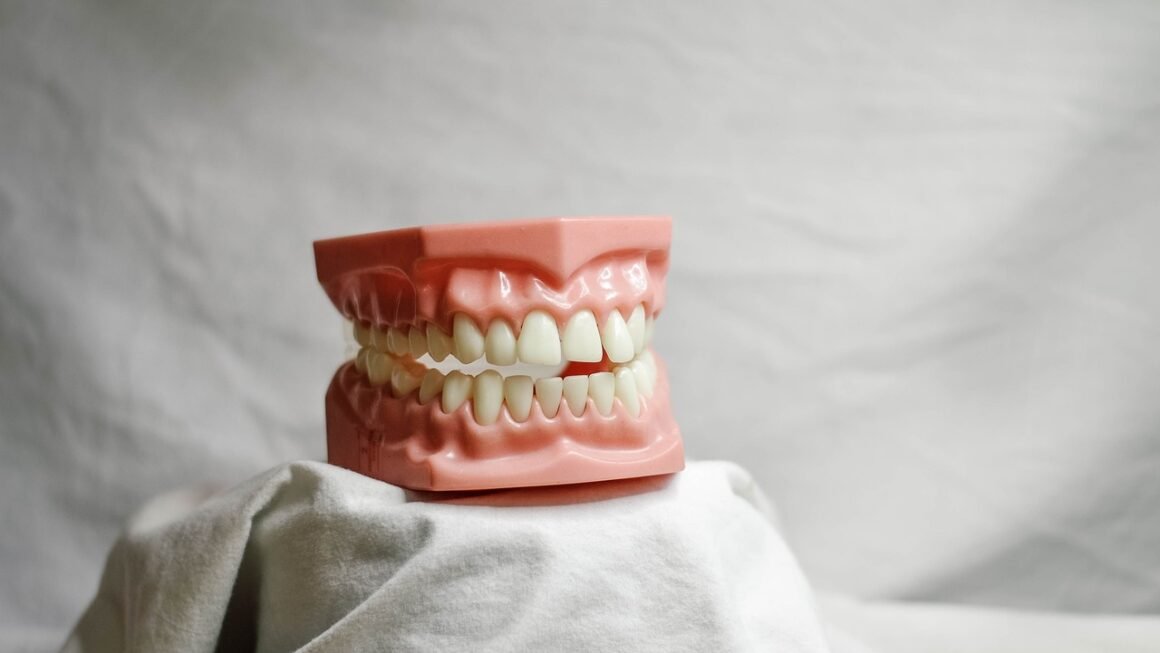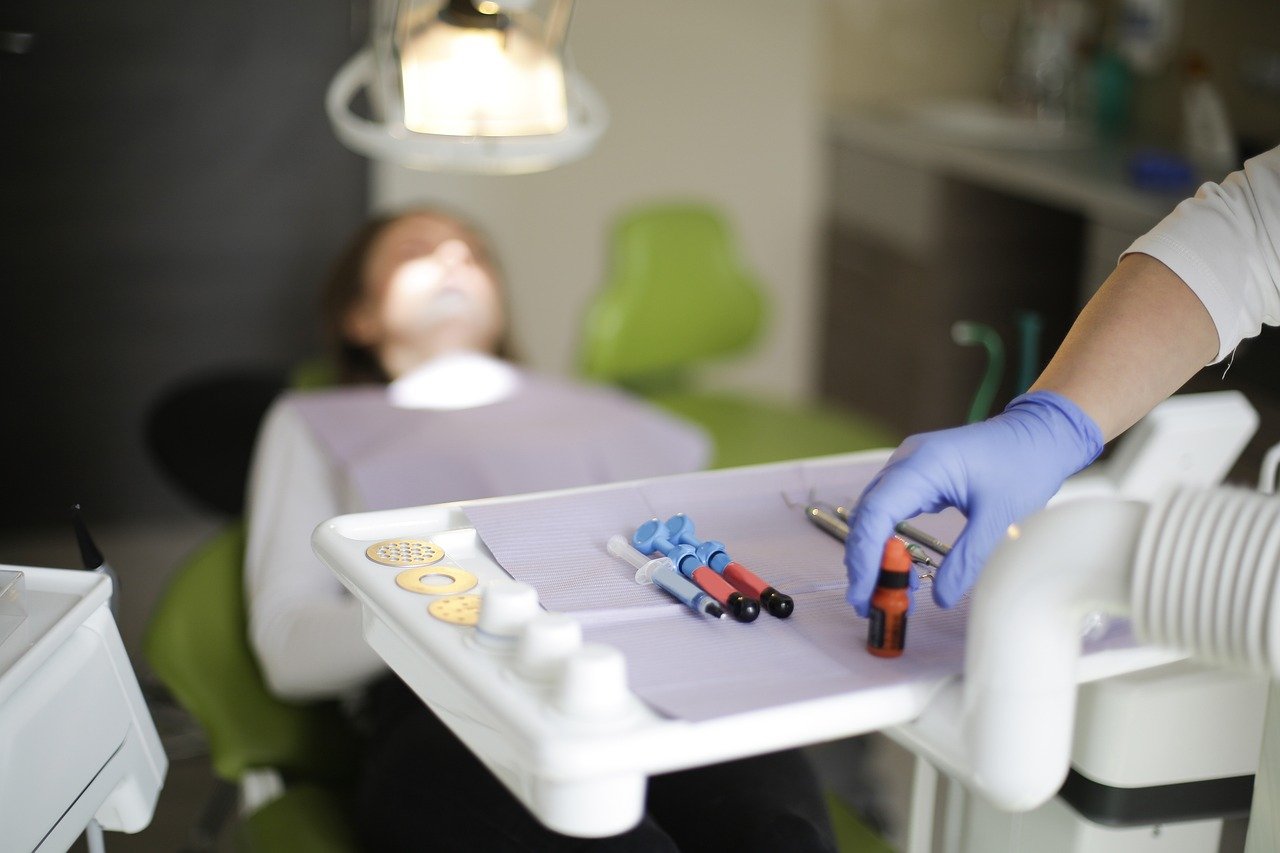
Maintaining excellent dental hygiene is crucial for a healthy smile and overall well-being. Beyond just aesthetics, proper oral care prevents a host of dental issues, from cavities and gum disease to more serious systemic health problems. This comprehensive guide will walk you through essential dental hygiene practices to keep your teeth strong and your smile bright.
The Importance of Regular Brushing
Brushing your teeth is the cornerstone of effective dental hygiene. It removes plaque and food particles, preventing the buildup of harmful bacteria that cause cavities and gum disease.
Choosing the Right Toothbrush
- Soft-bristled brushes: These are generally recommended by dentists as they are gentle on your gums and enamel, minimizing the risk of irritation and damage.
- Manual vs. Electric: Both types can be effective. Electric toothbrushes can provide more consistent and thorough cleaning, especially for those with dexterity issues. They often have built-in timers to ensure you brush for the recommended two minutes. A manual brush is perfectly fine if used with the proper technique.
- Size matters: Choose a brush head that allows you to reach all areas of your mouth comfortably.
Mastering the Brushing Technique
- Frequency: Brush at least twice a day – once in the morning and once before bed.
- Technique: Use gentle, circular motions to clean all surfaces of each tooth. Focus on the gumline, where plaque tends to accumulate.
- Duration: Brush for at least two minutes each time. Divide your mouth into quadrants and spend 30 seconds on each.
- Don’t forget your tongue: Brushing your tongue helps remove bacteria and freshens breath.
Selecting the Right Toothpaste
- Fluoride toothpaste: Fluoride strengthens tooth enamel and helps prevent cavities. Look for the American Dental Association (ADA) seal of acceptance.
- Sensitive teeth toothpaste: If you experience tooth sensitivity, choose a toothpaste specifically formulated to reduce sensitivity. These contain ingredients like potassium nitrate.
- Whitening toothpaste: These can help remove surface stains, but they may not be as effective as professional whitening treatments. Be mindful of abrasiveness, as some can damage enamel.
Flossing: Reaching the Areas Your Brush Can’t
Flossing is essential for removing plaque and food particles from between your teeth and under the gumline, areas that your toothbrush cannot reach.
Types of Floss
- Traditional floss: Waxed or unwaxed nylon floss is a versatile and widely available option.
- Dental tape: Wider and flatter than traditional floss, dental tape is a good choice for people with wider spaces between their teeth.
- Floss picks: These are convenient pre-threaded flossers that can be easier to use, especially for those with dexterity issues.
- Interdental brushes: Small, cone-shaped brushes that clean between teeth. They are particularly useful for people with braces or larger gaps between their teeth.
Proper Flossing Technique
- Length: Use about 18 inches of floss, winding most of it around your middle fingers and leaving a few inches to work with.
- Guidance: Gently guide the floss between your teeth using a sawing motion.
- C-shape: Curve the floss into a C-shape around each tooth and slide it gently under the gumline.
- Clean each surface: Use a clean section of floss for each tooth.
- Frequency: Floss at least once a day, preferably before bedtime.
Why Flossing Matters
- Prevents gum disease: Removes plaque and bacteria that can lead to gingivitis and periodontitis.
- Reduces cavities: Cleans between teeth, where cavities often form.
- Freshens breath: Removes food particles that can cause bad breath.
Incorporating Mouthwash into Your Routine
Mouthwash can be a valuable addition to your dental hygiene routine, helping to kill bacteria, freshen breath, and even strengthen enamel.
Types of Mouthwash
- Fluoride mouthwash: Helps strengthen tooth enamel and prevent cavities. Use after brushing and flossing.
- Antiseptic mouthwash: Contains ingredients like chlorhexidine or cetylpyridinium chloride (CPC) to kill bacteria and reduce plaque. Often recommended after dental procedures or for treating gum disease. Note: chlorhexidine mouthwashes are generally for short-term use due to potential staining.
- Cosmetic mouthwash: Primarily freshens breath and may temporarily reduce plaque.
How to Use Mouthwash
- Timing: Use mouthwash after brushing and flossing.
- Dosage: Follow the instructions on the bottle. Usually, you’ll need about 20 ml.
- Duration: Swish for 30-60 seconds.
- Don’t swallow: Spit out the mouthwash after swishing.
- Avoid rinsing: Do not rinse your mouth with water immediately after using fluoride mouthwash, as this can wash away the fluoride.
Benefits of Using Mouthwash
- Reduces plaque and bacteria: Helps control the bacteria that cause cavities and gum disease.
- Freshens breath: Eliminates odor-causing bacteria.
- Strengthens enamel: Fluoride mouthwash helps remineralize enamel and prevent cavities.
Diet and Its Impact on Dental Health
What you eat significantly affects your dental health. Sugary and acidic foods can contribute to tooth decay and enamel erosion.
Foods to Limit or Avoid
- Sugary drinks: Sodas, fruit juices, and sports drinks are high in sugar, which feeds bacteria and leads to cavities.
- Sticky candies: These stick to your teeth and provide a long-lasting source of sugar for bacteria.
- Acidic foods and drinks: Citrus fruits, vinegar, and sour candies can erode tooth enamel.
- Refined carbohydrates: White bread, pasta, and crackers break down into sugars in your mouth.
Foods That Promote Dental Health
- Water: Staying hydrated helps rinse away food particles and bacteria.
- Crunchy fruits and vegetables: Apples, carrots, and celery stimulate saliva production, which helps neutralize acids and clean teeth.
- Dairy products: Milk, cheese, and yogurt contain calcium and phosphates, which strengthen tooth enamel.
- Nuts and seeds: Provide healthy fats and minerals that are beneficial for dental health.
- Leafy greens: Rich in vitamins and minerals that support healthy gums and teeth.
Tips for a Tooth-Friendly Diet
- Limit snacking: Frequent snacking exposes your teeth to acids and sugars more often.
- Rinse with water after meals: Helps remove food particles and neutralize acids.
- Chew sugar-free gum: Stimulates saliva production and helps clean teeth.
- Read food labels: Be aware of the sugar content in the foods and drinks you consume.
Regular Dental Check-ups and Professional Cleanings
Even with excellent at-home dental hygiene practices, regular visits to your dentist are essential for maintaining optimal oral health.
The Importance of Regular Check-ups
- Early detection of problems: Your dentist can detect cavities, gum disease, and other oral health issues early, when they are easier to treat.
- Professional cleaning: Removes plaque and tartar that you cannot remove at home.
- Oral cancer screening: Your dentist can screen for signs of oral cancer.
- Personalized advice: Your dentist can provide personalized advice on how to improve your dental hygiene practices.
What to Expect During a Dental Check-up
- Examination: Your dentist will examine your teeth, gums, and mouth for signs of problems.
- X-rays: May be taken to detect cavities between teeth, bone loss, and other issues.
- Cleaning: A dental hygienist will remove plaque and tartar from your teeth.
- Fluoride treatment: May be applied to strengthen tooth enamel.
- Discussion: Your dentist will discuss any findings and recommend treatment if necessary.
Recommended Frequency
- General guideline: Visit your dentist every six months for a check-up and cleaning.
- Individual needs: Your dentist may recommend more frequent visits if you have a history of dental problems or are at high risk for cavities or gum disease.
Conclusion
Adopting a comprehensive dental hygiene routine is an investment in your overall health and well-being. By brushing and flossing regularly, using mouthwash, maintaining a tooth-friendly diet, and visiting your dentist for regular check-ups and cleanings, you can keep your smile healthy and bright for years to come. Remember, prevention is key!