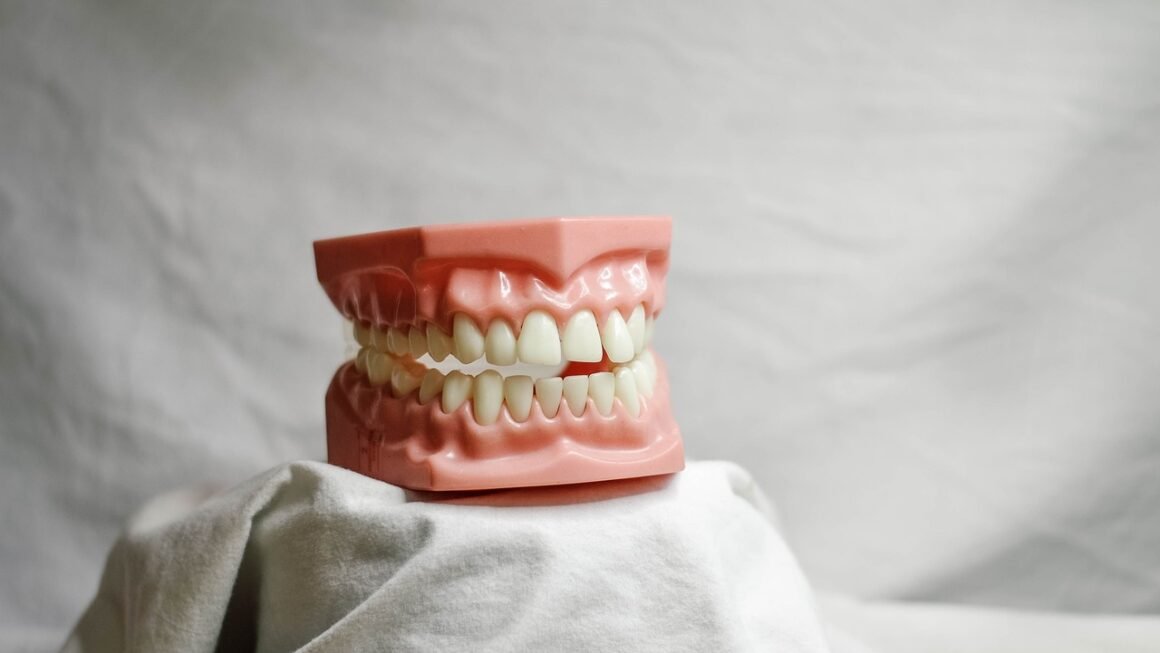
Maintaining excellent dental hygiene is paramount for a healthy smile and overall well-being. It’s more than just brushing your teeth; it’s a comprehensive approach to prevent dental problems, enhance your appearance, and boost your confidence. By adopting a consistent and effective oral care routine, you can ward off cavities, gum disease, and other dental issues, ensuring a lifetime of healthy smiles. Let’s dive into the essential components of top-notch dental hygiene maintenance.
The Foundation: Brushing Techniques
The Right Brush and Toothpaste
Choosing the right tools is crucial for effective brushing. Opt for a toothbrush with soft bristles to avoid damaging your gums and tooth enamel. Consider an electric toothbrush for its enhanced cleaning capabilities, often featuring built-in timers to ensure you brush for the recommended two minutes.
Toothpaste selection is equally important. Look for toothpaste containing fluoride, which strengthens tooth enamel and helps prevent cavities. For sensitive teeth, choose a toothpaste specifically formulated to reduce sensitivity. Whitening toothpastes can help remove surface stains, but consult your dentist before using them regularly to avoid enamel abrasion.
Proper Brushing Technique
The technique matters as much as the tools. Here’s a step-by-step guide to effective brushing:
- Angle your brush: Hold the brush at a 45-degree angle to your gums.
- Gentle, circular motions: Use gentle, circular motions to clean each tooth. Avoid scrubbing, which can damage your gums.
- Two minutes: Brush for at least two minutes, ensuring you reach all surfaces of each tooth. Divide your mouth into quadrants and spend 30 seconds on each.
- Don’t forget the tongue: Brush your tongue to remove bacteria and freshen your breath.
Example: Imagine you’re gently massaging your gums while cleaning your teeth. This visual can help you apply the right amount of pressure and avoid aggressive scrubbing.
The Interdental Clean: Flossing and More
The Importance of Flossing
Brushing alone can’t reach the spaces between your teeth where food particles and plaque accumulate. Flossing is essential for removing these deposits and preventing gum disease.
Did you know? According to the American Dental Association (ADA), flossing removes up to 80% of plaque and food particles from between your teeth.
Flossing Techniques
Here’s how to floss effectively:
- Use about 18 inches of floss: Break off a length of floss and wrap most of it around your middle fingers, leaving a few inches to work with.
- Gently guide the floss: Use your thumbs and forefingers to gently guide the floss between your teeth.
- Curve around each tooth: Curve the floss into a “C” shape around each tooth, making sure to go below the gum line.
- Use a clean section: Use a clean section of floss for each tooth to avoid spreading bacteria.
Alternatives to Traditional Floss
If you find traditional flossing difficult, consider these alternatives:
- Interdental brushes: These small brushes are designed to clean between teeth and are especially useful for people with braces or larger gaps.
- Water flossers: Also known as oral irrigators, water flossers use a stream of water to remove plaque and food particles.
- Floss picks: These are pre-threaded floss holders that can be easier to handle than traditional floss.
Practical Tip: Keep floss in a visible location, such as next to your toothbrush, to remind you to floss daily.
Diet and Oral Health
The Impact of Sugar and Acid
What you eat directly affects your oral health. Sugary and acidic foods can contribute to tooth decay and enamel erosion.
- Sugar: Bacteria in your mouth feed on sugar, producing acids that attack tooth enamel.
- Acid: Acidic foods and drinks, such as citrus fruits and soda, can erode enamel over time, making your teeth more susceptible to decay.
Foods That Promote Dental Health
Incorporate these foods into your diet to support dental health:
- Water: Drinking plenty of water helps rinse away food particles and keeps your mouth hydrated.
- Crunchy fruits and vegetables: Apples, carrots, and celery stimulate saliva production and help scrub away plaque.
- Dairy products: Milk, cheese, and yogurt are rich in calcium and strengthen tooth enamel.
Smart Snacking Habits
Choose snacks wisely to minimize damage to your teeth:
- Avoid sugary snacks: Limit your consumption of candy, cookies, and sugary drinks.
- Snack on cheese or nuts: These options are less likely to cause tooth decay.
- Rinse with water: After eating sugary or acidic foods, rinse your mouth with water to neutralize acids.
Regular Dental Check-ups and Professional Cleanings
The Role of Professional Cleanings
Even with excellent home care, plaque and tartar can accumulate in hard-to-reach areas. Professional cleanings remove these deposits, preventing gum disease and tooth decay.
Frequency: The ADA recommends visiting your dentist for a check-up and cleaning every six months, but your dentist may recommend more frequent visits depending on your individual needs.
What to Expect During a Dental Check-up
A typical dental check-up includes:
- Examination: Your dentist will examine your teeth, gums, and mouth for signs of decay, gum disease, and other oral health problems.
- Cleaning: A dental hygienist will remove plaque and tartar from your teeth.
- X-rays: X-rays may be taken to detect cavities, bone loss, and other issues that are not visible during a visual examination.
- Discussion: Your dentist will discuss any findings and recommend treatment options as needed.
Early Detection and Prevention
Regular check-ups allow for the early detection and treatment of dental problems, preventing them from becoming more serious and costly. Early detection of oral cancer is also a critical benefit of regular dental exams.
Conclusion
Maintaining excellent dental hygiene is a lifelong commitment that pays dividends in terms of oral health and overall well-being. By incorporating effective brushing and flossing techniques, making smart dietary choices, and scheduling regular dental check-ups, you can keep your smile healthy and bright for years to come. Remember, consistency is key – make dental hygiene a daily priority for a lifetime of healthy smiles.