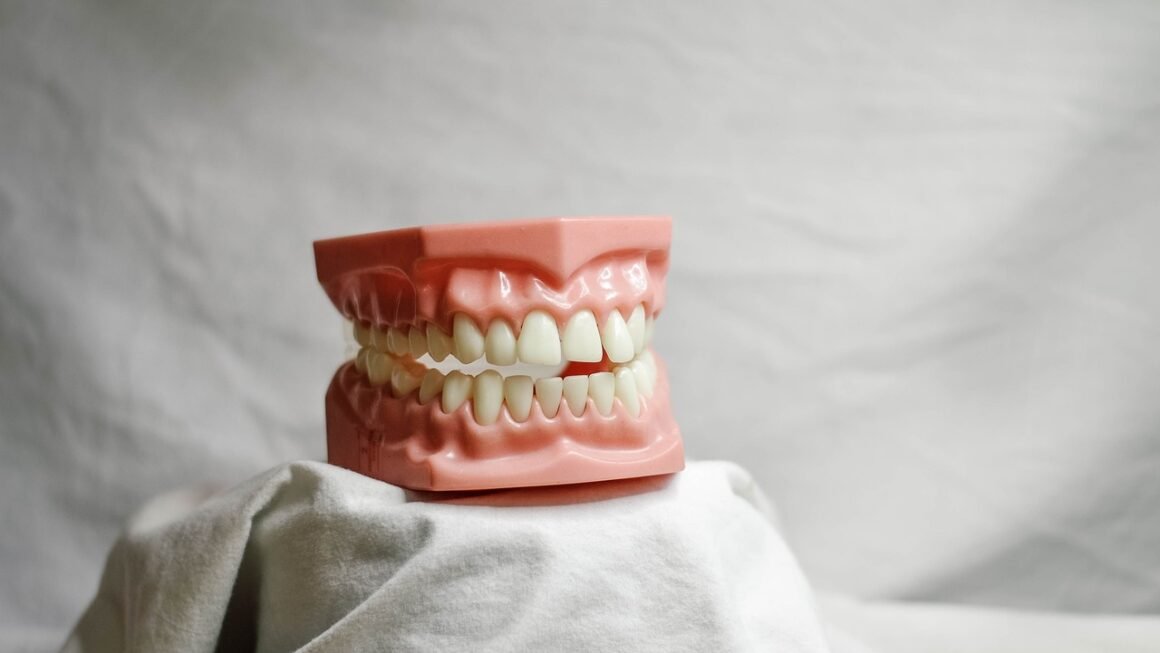
Maintaining excellent dental wellness is a cornerstone of overall health and well-being, often overlooked in the pursuit of physical fitness and general healthcare. A healthy mouth not only allows you to eat, speak, and smile comfortably but also contributes significantly to your systemic health. This guide delves into the essential aspects of dental wellness, providing practical tips and insights for a lifetime of bright smiles.
Understanding Dental Wellness
What is Dental Wellness?
Dental wellness encompasses more than just brushing your teeth. It’s a holistic approach to oral health that includes preventing dental issues, treating existing problems, and maintaining a healthy mouth environment. This involves consistent oral hygiene practices, regular dental check-ups, and a balanced diet.
The Connection Between Oral and Overall Health
Research increasingly demonstrates a strong link between oral health and overall health. For instance:
- Heart Disease: Periodontal (gum) disease is linked to an increased risk of heart disease. Bacteria from infected gums can enter the bloodstream, potentially contributing to plaque buildup in arteries.
- Diabetes: Gum disease can make it more difficult to control blood sugar levels. Diabetics are also more susceptible to gum infections.
- Respiratory Infections: Bacteria from the mouth can be inhaled into the lungs, potentially leading to pneumonia and other respiratory issues.
- Pregnancy Complications: Gum disease has been associated with premature birth and low birth weight babies.
Therefore, prioritizing dental wellness is not just about your teeth and gums; it’s about safeguarding your overall health.
Establishing a Robust Oral Hygiene Routine
Brushing Techniques
Brushing your teeth effectively is the foundation of dental wellness. Here’s a breakdown of proper technique:
- Frequency: Brush at least twice a day, once in the morning and once before bed.
- Technique: Use a soft-bristled toothbrush and fluoride toothpaste. Angle the brush at 45 degrees towards the gumline and use gentle, circular motions.
- Duration: Brush for at least two minutes, ensuring you reach all surfaces of each tooth. Many electric toothbrushes have built-in timers to help with this.
- Replace Your Brush: Replace your toothbrush every three months, or sooner if the bristles are frayed.
The Importance of Flossing
Flossing removes plaque and food particles from between teeth, areas that your toothbrush can’t reach.
- Frequency: Floss at least once a day, preferably before bedtime.
- Technique: Use about 18 inches of floss, wrapping it around your middle fingers. Gently guide the floss between your teeth, using a back-and-forth motion. Curve the floss into a “C” shape around each tooth, making sure to go below the gumline. Use a fresh section of floss for each tooth.
- Alternatives: If you find traditional flossing difficult, consider using interdental brushes or water flossers.
Mouthwash: An Added Benefit
Using an antiseptic mouthwash can help kill bacteria, freshen breath, and prevent plaque buildup.
- Choosing a Mouthwash: Look for a mouthwash containing fluoride or antibacterial ingredients. Consider your needs – some mouthwashes are designed for sensitive teeth, while others target gum disease.
- When to Use: Use mouthwash after brushing and flossing, or as directed by your dentist.
Regular Dental Check-ups and Cleanings
Why Regular Check-ups Are Crucial
Regular dental check-ups are vital for detecting and preventing dental problems early on. During a check-up, your dentist will:
- Examine your teeth and gums: Looking for signs of cavities, gum disease, and other oral health issues.
- Take X-rays: X-rays help detect problems that are not visible to the naked eye, such as tooth decay between teeth or bone loss due to gum disease.
- Provide professional cleaning: Removing plaque and tartar buildup that cannot be removed by brushing and flossing alone.
- Offer personalized advice: Tailoring recommendations for your oral hygiene routine and addressing any concerns you may have.
Recommended Frequency of Visits
Most dentists recommend visiting for a check-up and cleaning every six months. However, people with certain risk factors, such as gum disease, diabetes, or a history of frequent cavities, may need to visit more often.
Understanding Dental Procedures
Familiarizing yourself with common dental procedures can alleviate anxiety and promote informed decision-making. Here are some examples:
- Fillings: Used to repair cavities. Materials commonly used include composite resin, amalgam, and gold.
- Root Canals: Used to treat infected tooth pulp. The infected pulp is removed, the tooth is cleaned and disinfected, and then filled and sealed.
- Crowns: Used to cover and protect damaged teeth. Crowns can be made of porcelain, ceramic, metal, or a combination of materials.
- Dental Implants: Used to replace missing teeth. Implants are surgically placed in the jawbone and act as artificial tooth roots.
- Teeth Whitening: A cosmetic procedure used to brighten teeth. Can be done at home or in the dental office.
Diet and Nutrition for Healthy Teeth and Gums
Foods to Embrace
A balanced diet plays a crucial role in maintaining healthy teeth and gums.
- Calcium-Rich Foods: Dairy products, leafy green vegetables, and fortified foods are excellent sources of calcium, which strengthens teeth and bones.
- Phosphorus-Rich Foods: Meat, poultry, fish, eggs, and dairy products contain phosphorus, another essential mineral for strong teeth.
- Vitamin C-Rich Foods: Citrus fruits, berries, and vegetables like broccoli and peppers are rich in vitamin C, which is important for healthy gums.
- Water: Drinking plenty of water helps wash away food particles and bacteria, keeping your mouth hydrated and healthy.
Foods and Drinks to Limit
Certain foods and drinks can contribute to tooth decay and gum disease.
- Sugary Foods and Drinks: Candy, soda, juice, and processed foods are high in sugar, which feeds bacteria in the mouth and leads to acid production, causing tooth decay.
- Acidic Foods and Drinks: Citrus fruits, tomatoes, and vinegar can erode tooth enamel over time. Consume these in moderation and rinse your mouth with water afterward.
- Sticky Foods: Sticky candies and snacks can cling to teeth, providing a breeding ground for bacteria.
Practical Dietary Tips
Here are some practical dietary tips for promoting dental wellness:
- Read food labels: Pay attention to the sugar content of foods and drinks.
- Eat sugary foods in moderation: If you consume sugary foods, do so with meals to minimize the amount of time your teeth are exposed to acid.
- Rinse your mouth with water after eating: This helps remove food particles and neutralize acids.
- Chew sugar-free gum: Chewing gum stimulates saliva production, which helps wash away food particles and neutralize acids. Choose sugar-free gum to avoid feeding bacteria in your mouth.
Addressing Specific Dental Concerns
Managing Sensitive Teeth
Tooth sensitivity can be caused by a variety of factors, including:
- Enamel Erosion: Caused by acidic foods and drinks, aggressive brushing, or teeth grinding.
- Gum Recession: Exposing the roots of the teeth, which are more sensitive than enamel.
- Tooth Decay: Causing pain and sensitivity.
Here are some tips for managing sensitive teeth:
- Use a desensitizing toothpaste: These toothpastes contain ingredients that block pain signals from reaching the nerves in your teeth.
- Use a soft-bristled toothbrush: Brushing too hard can wear away enamel and irritate gums.
- Avoid acidic foods and drinks: These can erode tooth enamel and worsen sensitivity.
- See your dentist: Your dentist can diagnose the cause of your sensitivity and recommend appropriate treatment options, such as fluoride treatments or desensitizing agents.
Preventing Gum Disease
Gum disease, also known as periodontal disease, is an infection of the gums that can damage the soft tissue and bone that support your teeth. Here are some ways to prevent gum disease:
- Practice good oral hygiene: Brush your teeth twice a day and floss once a day.
- Get regular dental check-ups and cleanings: This allows your dentist to detect and treat gum disease early on.
- Don’t smoke: Smoking weakens the immune system and makes it harder to fight off gum infections.
- Manage underlying health conditions: Conditions such as diabetes can increase your risk of gum disease.
Addressing Bad Breath
Bad breath, or halitosis, can be caused by a variety of factors, including:
- Poor oral hygiene: Allowing bacteria to build up in the mouth.
- Dry mouth: Reducing saliva production, which helps wash away food particles and bacteria.
- Certain foods and drinks: Garlic, onions, and coffee can cause bad breath.
- Underlying health conditions: Such as sinus infections or acid reflux.
Here are some tips for addressing bad breath:
- Practice good oral hygiene: Brush your teeth twice a day, floss once a day, and brush your tongue.
- Stay hydrated: Drink plenty of water to keep your mouth moist.
- Avoid foods and drinks that cause bad breath: Limit your intake of garlic, onions, and coffee.
- See your dentist: Your dentist can determine the cause of your bad breath and recommend appropriate treatment options.
Conclusion
Prioritizing dental wellness is an investment in your overall health and well-being. By establishing a robust oral hygiene routine, attending regular dental check-ups, and making smart dietary choices, you can protect your teeth and gums for a lifetime. Remember, a healthy smile is a reflection of a healthy you!