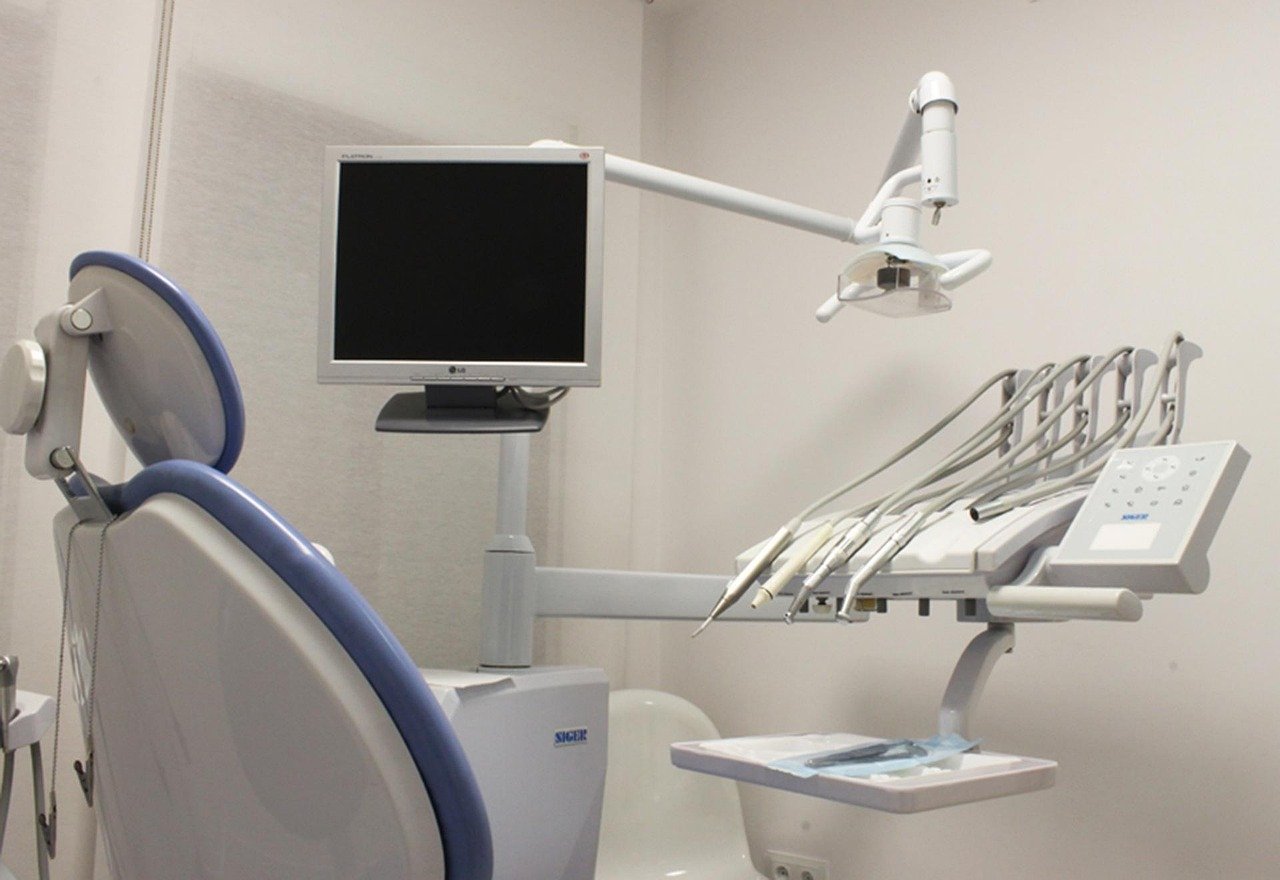
Navigating the world of healthcare benefits can feel like deciphering a foreign language, especially when it comes to your teeth! Understanding your dental benefits is crucial for maintaining optimal oral health and avoiding unexpected costs. This comprehensive guide will break down everything you need to know about dental insurance, from different plan types and coverage options to maximizing your benefits and making informed decisions about your dental care.
Understanding Dental Insurance Plan Types
Dental insurance isn’t a one-size-fits-all affair. Several types of plans exist, each with its own set of rules, coverage levels, and out-of-pocket costs. Knowing the differences between these plans is the first step toward choosing the right coverage for you and your family.
Dental Health Maintenance Organization (DHMO)
- How it works: DHMO plans typically require you to select a primary care dentist (PCD) within the plan’s network. You must visit your PCD for all your dental care needs, including referrals to specialists.
- Cost: DHMO plans generally have lower monthly premiums and lower out-of-pocket costs for in-network services.
- Flexibility: Less flexibility than other plan types since you are restricted to a specific network and require referrals.
- Example: You have a DHMO plan and need to see an orthodontist for braces. You must visit your primary care dentist for a referral before seeing an orthodontist within the DHMO network.
Preferred Provider Organization (PPO)
- How it works: PPO plans offer more flexibility than DHMO plans. You can visit any dentist you choose, but you’ll typically pay less when you see a dentist within the PPO network.
- Cost: PPO plans usually have higher monthly premiums than DHMO plans, but offer more choice.
- Flexibility: Greater flexibility than DHMO plans. No referrals are needed to see specialists.
- Example: With a PPO plan, you can choose to see a dentist outside the network, but your out-of-pocket costs will likely be higher than if you visited a dentist within the network.
Indemnity (Fee-for-Service)
- How it works: Indemnity plans, also known as fee-for-service plans, offer the most flexibility. You can visit any dentist you choose, and the plan will pay a percentage of the dentist’s fees, up to a specified maximum.
- Cost: Indemnity plans generally have the highest monthly premiums and may require you to pay the dentist upfront and then file a claim for reimbursement.
- Flexibility: Highest flexibility. You can visit any dentist without network restrictions.
- Example: You have an indemnity plan and see a specialist who is not in any network. You pay the full amount upfront and then submit a claim to your insurance company for reimbursement based on your plan’s coverage.
Discount Dental Plans
- How it works: These are not insurance. Discount dental plans offer reduced fees at participating dentists. You pay an annual fee to join the plan, and then you receive discounts on dental services.
- Cost: Lower annual fees compared to insurance premiums, but you pay discounted fees directly to the dentist.
- Flexibility: Flexibility within the network of participating dentists.
- Example: A discount dental plan offers a 20% discount on all services at participating dentists. If a filling costs $100, you would pay $80.
Understanding Common Dental Insurance Terms
Familiarizing yourself with common dental insurance terms is crucial for understanding your coverage and avoiding surprises.
Premium
- The monthly or annual fee you pay to maintain your dental insurance coverage. It’s like a subscription fee for your dental benefits.
Deductible
- The amount you must pay out-of-pocket for covered dental services before your insurance plan starts paying. For example, if your deductible is $50, you must pay $50 worth of dental expenses before your insurance begins to cover costs.
Coinsurance
- The percentage of the cost of covered dental services that you are responsible for paying after you have met your deductible. For example, if your coinsurance is 20%, you pay 20% of the cost of covered services, and your insurance pays the remaining 80%.
Copay
- A fixed dollar amount you pay for certain dental services, such as a routine checkup. Unlike coinsurance, a copay is a set amount, regardless of the total cost of the service.
Annual Maximum
- The maximum amount your dental insurance plan will pay for covered dental services in a benefit year (usually a calendar year). Once you reach your annual maximum, you are responsible for paying the full cost of any additional dental services. Many plans have an annual maximum of $1000 – $2000.
Waiting Period
- The time period you must wait after enrolling in a dental insurance plan before certain services are covered. Waiting periods are common for major services such as crowns, bridges, and implants. They can range from a few months to a year.
What Dental Insurance Typically Covers
Dental insurance plans typically categorize dental services into three main categories, each with different levels of coverage.
Preventive Care
- What it includes: Routine checkups, cleanings, X-rays, and fluoride treatments.
- Coverage: Most dental insurance plans cover preventive care at or near 100%, often with no deductible or copay. This is to encourage regular dental visits and prevent more serious problems.
- Example: Your plan covers two routine cleanings per year at 100%, which means you pay nothing for these visits (assuming you are seeing an in-network provider).
Basic Restorative Care
- What it includes: Fillings, simple extractions, and root canals on certain teeth.
- Coverage: Dental insurance plans typically cover basic restorative care at 70-80% after you have met your deductible.
- Example: You need a filling, and the total cost is $200. Your plan covers 80% after your $50 deductible is met. You would pay $50 (deductible) + $30 (20% coinsurance of the remaining $150).
Major Restorative Care
- What it includes: Crowns, bridges, dentures, implants, and complex extractions.
- Coverage: Major restorative care is typically covered at 50% after you have met your deductible. Often, these services have a waiting period before coverage begins.
- Example: You need a crown that costs $1,000. Your plan covers 50% after your $50 deductible is met. You would pay $50 (deductible) + $475 (50% coinsurance of the remaining $950).
- Note: Some plans do not cover cosmetic procedures like teeth whitening or veneers.
Maximizing Your Dental Benefits
To get the most out of your dental insurance plan, consider these strategies:
Understand Your Plan Details
- Read your policy documents: Familiarize yourself with the specific terms, coverage levels, and limitations of your plan.
- Contact your insurance provider: If you have questions or need clarification, don’t hesitate to contact your insurance company directly. They can explain your benefits and answer any specific questions you have.
Schedule Regular Checkups
- Preventive care is key: Take advantage of the preventive care benefits included in your plan by scheduling regular checkups and cleanings. This can help prevent more serious dental problems and reduce your overall dental costs.
- Early detection saves money: Detecting dental issues early can often lead to less expensive and less invasive treatment options.
Utilize In-Network Providers
- Lower out-of-pocket costs: Visiting dentists who are in your insurance plan’s network will typically result in lower out-of-pocket costs.
- Check the provider directory: Use your insurance company’s online provider directory to find dentists in your area who are in-network.
Plan Your Treatment Strategically
- Coordinate with your dentist: Discuss your treatment options with your dentist and develop a treatment plan that aligns with your insurance coverage.
- Stage your treatments: Consider staging your treatments over multiple benefit years to maximize your annual maximum benefit. For example, if you need multiple crowns, you might have one done in December and another in January to utilize two different annual maximums.
Review Your Explanation of Benefits (EOB)
- Understand your claims: Carefully review your Explanation of Benefits (EOB) statements to ensure that your claims are processed correctly and that you are receiving the appropriate benefits.
- Dispute errors: If you notice any errors on your EOB, contact your insurance company immediately to dispute the claim.
Choosing the Right Dental Plan
Selecting the right dental insurance plan depends on your individual needs, budget, and oral health goals.
Assess Your Needs
- Consider your dental health history: If you have a history of dental problems, you may need a plan with more comprehensive coverage.
- Factor in family needs: If you have children, consider a plan that covers pediatric dental services, such as sealants and fluoride treatments.
Compare Plans and Costs
- Consider premiums, deductibles, and coinsurance: Evaluate the total cost of each plan, including monthly premiums, deductibles, coinsurance, and copays.
- Check annual maximums: Consider the annual maximum benefit offered by each plan and whether it is sufficient to cover your potential dental expenses.
Review Coverage Details
- Check covered services: Ensure that the plan covers the dental services you are likely to need, such as fillings, crowns, and implants.
- Understand waiting periods: Be aware of any waiting periods before certain services are covered.
Read Reviews and Get Recommendations
- Research plan providers: Read reviews and get recommendations from friends, family, or colleagues to help you choose a reputable dental insurance provider.
- Talk to your dentist: Ask your dentist for recommendations on dental insurance plans that they accept and that offer good coverage.
Conclusion
Understanding your dental benefits is essential for maintaining a healthy smile and managing your healthcare expenses. By understanding the different types of dental plans, common insurance terms, and coverage options, you can make informed decisions about your dental care and maximize your benefits. Remember to schedule regular checkups, utilize in-network providers, and plan your treatments strategically to keep your smile bright and your wallet happy.