Maintaining optimal dental health goes far beyond just a bright smile. It’s a cornerstone of overall well-being, impacting everything from your ability to eat and speak comfortably to your self-esteem and even systemic health. But navigating the world of dental care can sometimes feel overwhelming. That’s why dental health education is so crucial – it empowers you to make informed decisions and take proactive steps towards a healthier mouth and a healthier you.
Understanding the Importance of Dental Health Education
Why is Dental Health Education Essential?
Dental health education provides the knowledge and skills necessary to prevent dental diseases and maintain a healthy mouth throughout life. It’s not just about brushing your teeth; it’s about understanding the “why” behind dental hygiene practices and how your oral health is connected to your overall health. Here are some key benefits:
- Prevention of Dental Diseases: Education helps prevent common issues like cavities (dental caries), gum disease (gingivitis and periodontitis), and oral cancer.
- Early Detection: Knowing what to look for allows for early detection of potential problems, leading to more effective and less invasive treatment.
- Cost Savings: Preventative care is significantly cheaper than treating advanced dental problems. Investing in education now saves money in the long run.
- Improved Overall Health: Oral health is linked to systemic diseases like diabetes, heart disease, and respiratory infections. Good oral hygiene can contribute to better overall health.
- Enhanced Quality of Life: A healthy mouth allows you to eat, speak, and socialize comfortably and confidently.
The Role of Dental Professionals in Education
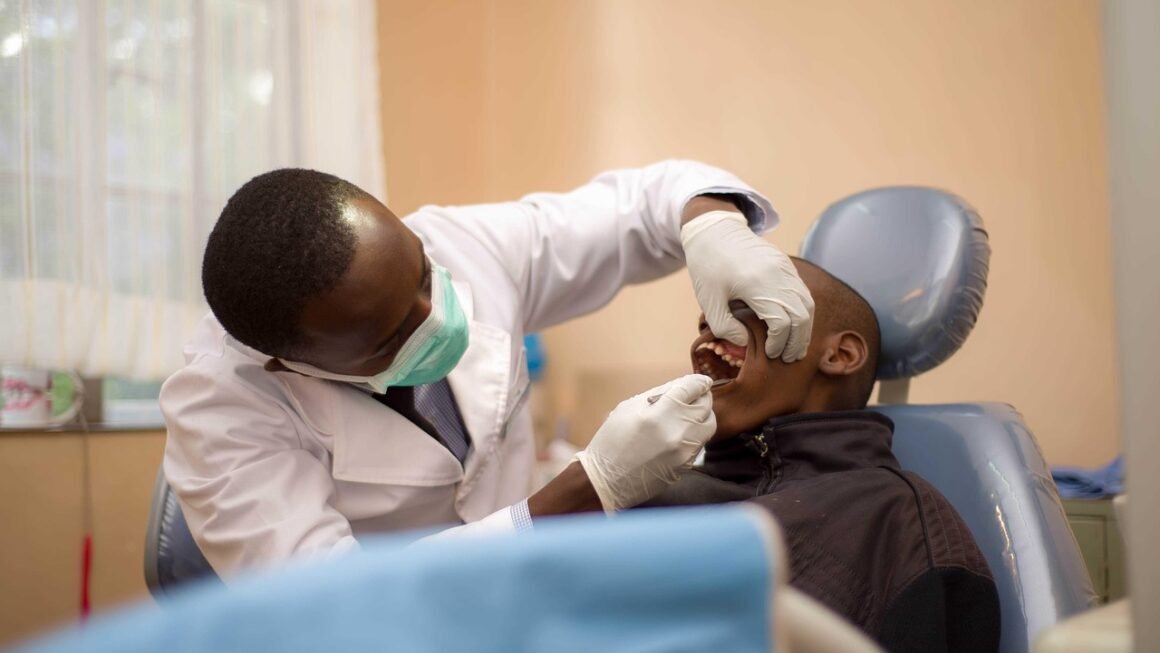
Dentists, dental hygienists, and other oral health professionals play a vital role in providing dental health education. They can:
- Offer personalized advice: They can assess your individual needs and provide tailored recommendations for your oral hygiene routine. For instance, someone with braces will need a different cleaning technique than someone without.
- Demonstrate proper techniques: They can show you the correct way to brush, floss, and use other oral hygiene aids. Many dental offices now use video demonstrations to assist patients.
- Explain treatment options: They can clearly explain the different treatment options available for various dental conditions, empowering you to make informed decisions.
- Answer your questions: They can address any concerns or questions you may have about your oral health.
- Provide ongoing support: They can provide ongoing support and encouragement to help you maintain good oral hygiene habits.
Essential Elements of a Dental Hygiene Routine
Brushing Techniques and Frequency
Brushing is the cornerstone of good oral hygiene. Here’s what you need to know:
- Frequency: Brush your teeth at least twice a day, ideally after meals.
- Technique: Use a soft-bristled toothbrush and fluoride toothpaste. Angle the brush at 45 degrees towards the gumline and use gentle, circular motions.
- Duration: Brush for at least two minutes, ensuring you reach all surfaces of your teeth. Many electric toothbrushes have built-in timers to help with this.
- Toothbrush Replacement: Replace your toothbrush every three months, or sooner if the bristles are frayed.
- Example: Imagine brushing your teeth as painting a fence. You wouldn’t just swipe a brush across a few boards; you’d carefully paint each one to ensure complete coverage. The same applies to brushing – take your time and make sure you reach every surface of every tooth.
Flossing: Reaching the Unreachable
Flossing removes plaque and food particles from between your teeth, where your toothbrush can’t reach.
- Frequency: Floss at least once a day, preferably before bedtime.
- Technique: Use about 18 inches of floss, wrapping it around your middle fingers. Gently guide the floss between your teeth using a sawing motion. Curve the floss around each tooth and slide it up and down, reaching slightly below the gumline.
- Alternative Options: If you find traditional flossing difficult, consider using floss picks, interdental brushes, or water flossers. These can be particularly helpful for people with braces or tight spaces between their teeth.
- Example: Picture the spaces between your teeth as hidden alleys in a city. Brushing is like cleaning the main streets, but flossing is necessary to get into those alleys and remove the debris that accumulates there.
The Role of Mouthwash
Mouthwash can be a valuable addition to your oral hygiene routine, but it’s not a substitute for brushing and flossing.
- Benefits: Mouthwash can help kill bacteria, freshen breath, and reduce plaque and gingivitis.
- Types: There are various types of mouthwash available, including fluoride mouthwash, antiseptic mouthwash, and cosmetic mouthwash. Choose a mouthwash that addresses your specific needs.
- Usage: Rinse with mouthwash for 30 seconds after brushing and flossing. Avoid eating or drinking for 30 minutes after rinsing.
- Example: Think of mouthwash as a disinfectant for your mouth. It helps kill remaining bacteria and freshen your breath after brushing and flossing.
Diet and its Impact on Dental Health
Sugary Foods and Drinks: The Enemy of Teeth
Sugary foods and drinks are a major contributor to tooth decay. Bacteria in your mouth feed on sugar, producing acids that erode tooth enamel.
- Limit Sugar Intake: Reduce your consumption of sugary snacks, sodas, juices, and processed foods.
- Read Labels: Pay attention to the sugar content of food and drinks.
- Rinse After Consumption: If you do consume sugary foods or drinks, rinse your mouth with water afterwards.
- Example: Imagine sugar as a corrosive acid constantly attacking your teeth. The more sugar you consume, the more frequent and intense the acid attacks become.
Foods that Promote Dental Health
Certain foods can actually promote dental health.
- Calcium-Rich Foods: Dairy products, leafy green vegetables, and fortified foods are excellent sources of calcium, which is essential for strong teeth and bones.
- Crunchy Fruits and Vegetables: Apples, carrots, and celery stimulate saliva production, which helps neutralize acids and wash away food particles.
- Water: Drinking plenty of water helps keep your mouth hydrated and washes away food debris.
- Example: Think of crunchy fruits and vegetables as natural toothbrushes. They help scrub away plaque and stimulate saliva production, keeping your mouth clean and healthy.
Addressing Specific Dental Health Concerns
Gum Disease: A Silent Threat
Gum disease, also known as periodontal disease, is an infection of the gums and supporting tissues that can lead to tooth loss.
- Symptoms: Symptoms of gum disease include red, swollen, or bleeding gums, persistent bad breath, and loose teeth.
- Prevention: Good oral hygiene, including brushing, flossing, and regular dental checkups, is crucial for preventing gum disease.
- Treatment: Treatment for gum disease may include scaling and root planing (deep cleaning), antibiotics, or surgery.
- Example: Gum disease can be like a slow-burning fire in your mouth. It may start with subtle symptoms, but if left untreated, it can eventually destroy the supporting structures of your teeth.
Tooth Sensitivity: Understanding the Causes and Solutions
Tooth sensitivity is a common problem characterized by sharp pain when eating or drinking hot, cold, sweet, or acidic foods.
- Causes: Common causes of tooth sensitivity include receding gums, worn enamel, tooth decay, and cracked teeth.
- Solutions: Use a toothpaste designed for sensitive teeth, avoid acidic foods and drinks, and see your dentist to determine the underlying cause. Fluoride treatments can also help strengthen enamel and reduce sensitivity.
- Example: Imagine your tooth enamel as a protective shield. When this shield is weakened or damaged, the sensitive inner layers of your tooth are exposed, leading to pain and discomfort.
The Importance of Regular Dental Checkups
Regular dental checkups are essential for maintaining good oral health.
- Frequency: Most people should visit their dentist every six months for a checkup and cleaning.
- Benefits: Dental checkups allow your dentist to detect and treat problems early, before they become more serious. They also provide an opportunity to receive professional cleaning and advice on oral hygiene.
- Example: Think of regular dental checkups as preventative maintenance for your car. You wouldn’t wait until your car breaks down to take it to the mechanic; you’d bring it in for regular tune-ups to keep it running smoothly. The same principle applies to your teeth – regular checkups can help prevent problems and keep your smile healthy.
Conclusion
Dental health education is an ongoing process that empowers you to take control of your oral health. By understanding the importance of good oral hygiene, practicing effective brushing and flossing techniques, making informed dietary choices, and seeking regular dental care, you can significantly reduce your risk of dental diseases and enjoy a lifetime of healthy smiles. Remember, investing in your oral health is an investment in your overall well-being. So, take the time to learn, practice, and maintain a healthy smile – your body will thank you for it.