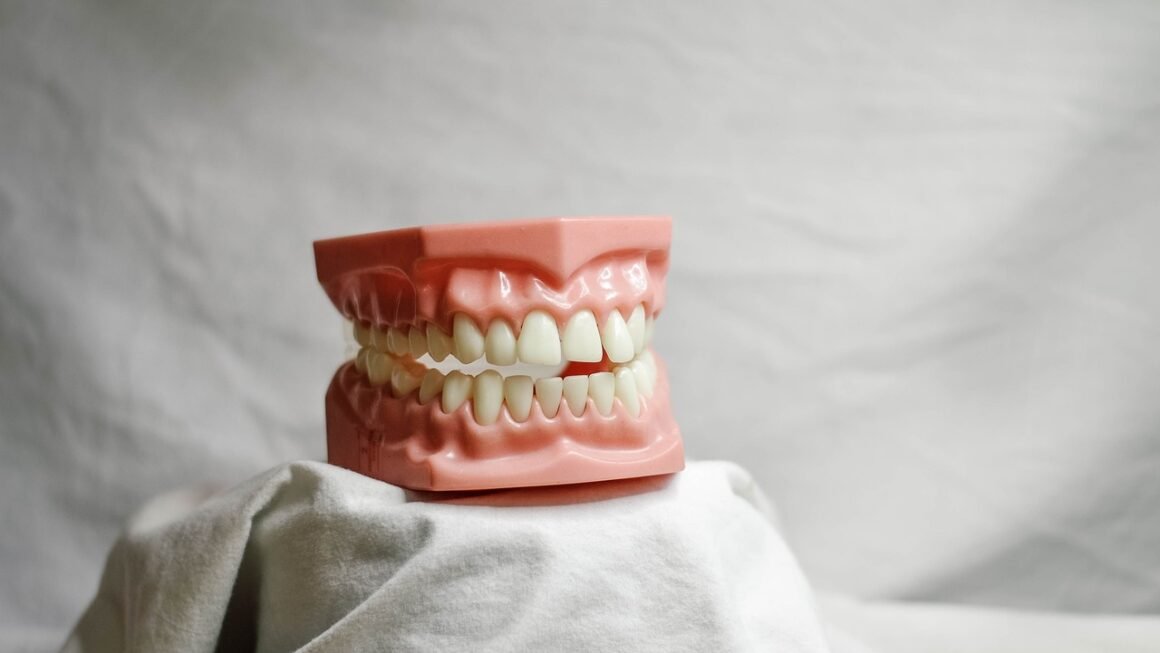
Maintaining optimal oral health is a lifelong journey, and it all starts with understanding the fundamentals of dental hygiene. Beyond just brushing and flossing, effective dental hygiene education empowers individuals to take control of their smiles and prevent a host of dental problems. This blog post will delve into the importance of dental hygiene education, exploring its various facets and offering practical tips for a healthier, happier mouth.
The Importance of Dental Hygiene Education
Preventing Dental Problems
Dental hygiene education is the first line of defense against a wide array of dental problems. By understanding the causes of issues like cavities, gum disease, and bad breath, individuals can adopt preventive measures to avoid them. For example, understanding the role of sugary foods in cavity formation can motivate individuals to reduce their sugar intake and improve their brushing habits. According to the National Institute of Dental and Craniofacial Research, tooth decay is one of the most common chronic diseases in children and adults, yet it’s largely preventable.
- Educating children early on about the importance of brushing twice a day and flossing daily establishes healthy habits that can last a lifetime.
- Teaching adults about the link between gum disease and systemic conditions such as diabetes and heart disease can encourage them to prioritize their oral health.
Promoting Overall Health
Oral health is inextricably linked to overall health. Dental infections and inflammation can spread to other parts of the body, exacerbating existing health conditions or contributing to new ones. Dental hygiene education helps individuals understand these connections and motivates them to take better care of their oral health as part of their overall well-being. A 2017 study in the Journal of Periodontology found a significant association between periodontitis (severe gum disease) and increased risk of cardiovascular disease.
- Education on the importance of regular dental check-ups allows for early detection and treatment of potential oral health issues, preventing them from escalating into more serious problems.
- Understanding the role of nutrition in oral health encourages individuals to consume a balanced diet rich in vitamins and minerals that support strong teeth and gums.
Improving Self-Esteem and Confidence
A healthy, attractive smile can significantly boost self-esteem and confidence. Dental hygiene education empowers individuals to achieve and maintain a smile they can be proud of. Addressing concerns such as teeth whitening, stain removal, and gum recession through education can lead to improved self-image and social interactions. A study published in the Journal of Clinical Orthodontics showed that individuals undergoing orthodontic treatment reported improved self-esteem and social confidence.
- Education on proper teeth-brushing techniques and oral hygiene habits helps individuals maintain fresh breath, which can significantly improve their social confidence.
- Addressing cosmetic dental concerns through education and treatment options, such as teeth whitening or veneers, can enhance an individual’s smile and self-esteem.
Effective Dental Hygiene Techniques
Brushing Techniques
Proper brushing is the cornerstone of good dental hygiene. Educating individuals on the correct techniques ensures they effectively remove plaque and debris from all surfaces of their teeth. The American Dental Association (ADA) recommends brushing for two minutes, twice a day, using a soft-bristled toothbrush and fluoride toothpaste.
- The Bass Technique: Angling the bristles of the toothbrush towards the gumline and using gentle, circular motions to clean along and under the gums. This is especially effective for removing plaque buildup in the gingival sulcus.
- The Stillman Technique: Positioning the toothbrush at a 45-degree angle towards the gumline and using short, vibrating strokes to massage the gums while cleaning the teeth.
- Electric Toothbrushes: Demonstrating the proper use of electric toothbrushes, highlighting their effectiveness in removing plaque and debris compared to manual toothbrushes. Some electric toothbrushes come equipped with timers and pressure sensors to ensure optimal brushing technique.
Flossing Techniques
Flossing removes plaque and food particles from between the teeth, where a toothbrush cannot reach. Educating individuals on the proper flossing technique is crucial for preventing cavities and gum disease in these hard-to-reach areas.
- Traditional Floss: Demonstrating how to use traditional floss by gently guiding it between the teeth using a sawing motion and curving it around each tooth to clean beneath the gumline.
- Floss Picks: Explaining the benefits of floss picks for individuals who find traditional flossing difficult or inconvenient. Floss picks can be especially helpful for children and individuals with limited dexterity.
- Interdental Brushes: Introducing interdental brushes as an effective tool for cleaning between teeth, especially for individuals with wider spaces between their teeth or orthodontic appliances.
Importance of Tongue Scraping
The tongue can harbor bacteria that contribute to bad breath and oral infections. Tongue scraping removes these bacteria, promoting fresh breath and overall oral health. Educating individuals on the proper technique and benefits of tongue scraping is an important aspect of comprehensive dental hygiene education.
- Using a tongue scraper or toothbrush to gently scrape the tongue from back to front, removing bacteria and debris.
- Explaining how regular tongue scraping can improve taste perception and reduce the risk of oral infections.
Nutrition and Dental Health
Foods to Promote Dental Health
A balanced diet plays a crucial role in maintaining strong teeth and healthy gums. Educating individuals on the specific foods that promote dental health can empower them to make informed dietary choices that support their oral health.
- Calcium-Rich Foods: Milk, cheese, yogurt, and leafy green vegetables provide calcium, which is essential for strong teeth and bones.
- Phosphorus-Rich Foods: Meat, poultry, fish, eggs, and dairy products contain phosphorus, which works with calcium to build and maintain strong teeth.
- Vitamin C-Rich Foods: Citrus fruits, berries, and vegetables like broccoli and peppers provide vitamin C, which is important for healthy gums and wound healing.
Foods to Avoid or Limit
Certain foods and beverages can contribute to tooth decay and gum disease. Educating individuals on these detrimental foods can help them make informed decisions and reduce their risk of dental problems.
- Sugary Foods and Drinks: Candy, soda, juice, and processed foods contain high levels of sugar, which fuels the bacteria that cause tooth decay.
- Acidic Foods and Drinks: Citrus fruits, tomatoes, vinegar, and carbonated beverages can erode tooth enamel, increasing the risk of cavities and sensitivity.
- Sticky Foods: Caramel, gummy candies, and dried fruits can stick to the teeth for extended periods, providing a constant source of sugar for bacteria to feed on.
Hydration and Oral Health
Drinking plenty of water is essential for maintaining saliva production, which helps to neutralize acids, wash away food particles, and prevent dry mouth. Educating individuals on the importance of hydration can help them understand its role in oral health.
- Encourage individuals to drink water throughout the day, especially after meals and snacks.
- Recommend fluoridated water as a way to strengthen tooth enamel and prevent cavities.
Regular Dental Check-ups and Professional Cleanings
Benefits of Regular Check-ups
Regular dental check-ups are crucial for early detection and treatment of dental problems. During a check-up, a dentist can identify cavities, gum disease, oral cancer, and other issues before they become more serious. The ADA recommends scheduling dental check-ups at least once or twice a year.
- Early detection and treatment of cavities, preventing them from progressing into larger, more painful problems.
- Screening for oral cancer, allowing for early intervention and improved treatment outcomes.
- Assessment of gum health, detecting early signs of gum disease and providing appropriate treatment.
- Evaluation of bite and jaw alignment, identifying potential problems such as temporomandibular joint (TMJ) disorders.
Professional Cleanings
Professional dental cleanings remove plaque and tartar buildup that cannot be removed with brushing and flossing alone. These cleanings help prevent gum disease and maintain overall oral health. Dental hygienists use specialized tools to scale and polish the teeth, removing stains and leaving the mouth feeling fresh and clean.
- Removal of plaque and tartar buildup, preventing gum disease and tooth decay.
- Polishing of teeth to remove surface stains and improve appearance.
- Application of fluoride treatments to strengthen tooth enamel and prevent cavities.
- Education on proper oral hygiene techniques and personalized recommendations for maintaining optimal oral health.
Importance of Early Intervention
Addressing dental problems early on can prevent them from escalating into more serious and costly issues. Education on the importance of seeking prompt dental care for issues such as tooth pain, bleeding gums, or mouth sores can help individuals avoid more extensive and invasive treatments down the road.
- Treating cavities early on with fillings can prevent the need for root canals or extractions.
- Addressing gum disease in its early stages with scaling and root planing can prevent tooth loss.
- Seeking prompt treatment for oral infections can prevent them from spreading to other parts of the body.
Conclusion
Dental hygiene education is a critical investment in one’s overall health and well-being. By understanding and implementing effective oral hygiene techniques, making informed dietary choices, and scheduling regular dental check-ups, individuals can maintain a healthy smile for life. Empower yourself with the knowledge and tools necessary to take control of your oral health and reap the numerous benefits that come with it. Remember, a healthy smile is a happy smile!