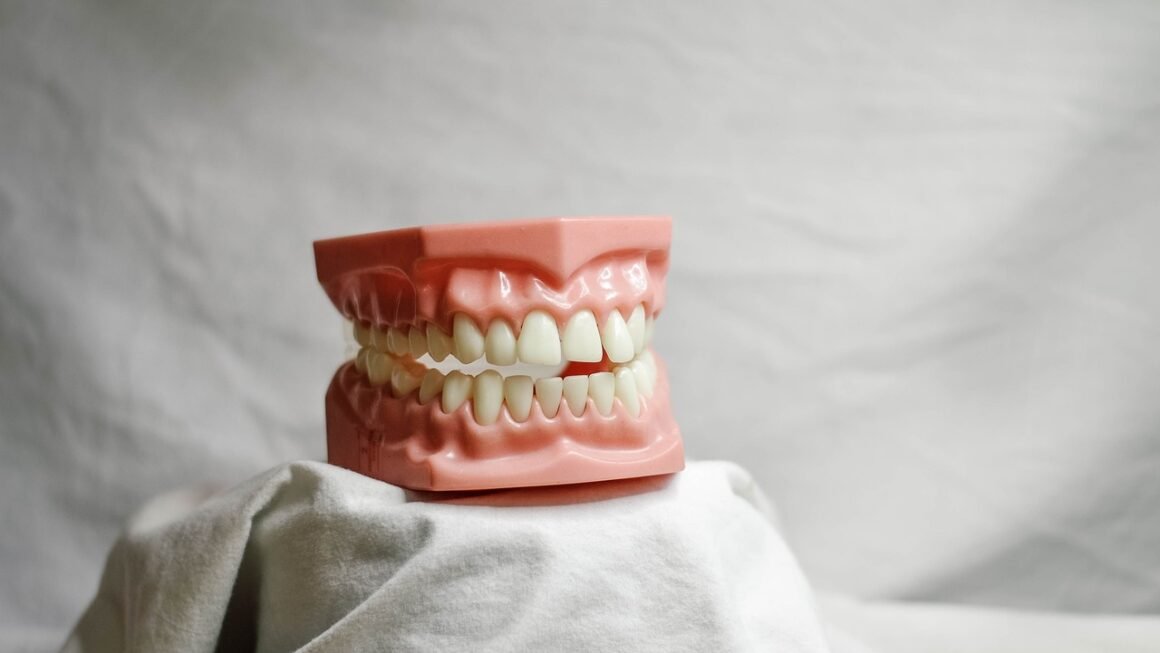
A sparkling smile isn’t just about aesthetics; it’s a testament to your overall health. While brushing and flossing are essential components of at-home oral hygiene, they’re often not enough to remove all the plaque and tartar buildup that can lead to cavities, gum disease, and other serious health problems. That’s where professional dental cleaning comes in – a vital service that keeps your teeth healthy, bright, and your smile confident.
Why Professional Dental Cleaning Matters
Removing Plaque and Tartar
Even with diligent brushing and flossing, some areas of your mouth are difficult to reach. This allows plaque, a sticky film of bacteria, to accumulate and harden into tartar (calculus). Tartar can only be removed by a dental professional using specialized tools.
Example: Think of the back molars or the gumline. These are common areas where plaque can easily hide and harden over time.
Professional cleaning removes both plaque and tartar, preventing:
- Tooth decay (cavities)
- Gum disease (gingivitis and periodontitis)
- Bad breath (halitosis)
Preventing Gum Disease
Gum disease, also known as periodontal disease, affects the tissues surrounding and supporting your teeth. In its early stages (gingivitis), it can cause inflammation, redness, and bleeding gums. If left untreated, it can progress to periodontitis, which can lead to tooth loss and even affect your overall health.
Practical Tip: Regular dental cleanings help prevent gum disease by removing the bacteria that cause inflammation and infection. Studies have shown that individuals who undergo regular dental cleanings have a significantly lower risk of developing severe periodontal disease.
Preventing gum disease contributes to:
- Reduced risk of tooth loss
- Lower risk of heart disease (studies have linked gum disease to heart conditions)
- Better control of blood sugar for individuals with diabetes
What to Expect During a Professional Dental Cleaning
Initial Examination
The dental hygienist will begin by examining your teeth and gums for any signs of problems, such as cavities, gum disease, or oral cancer.
Example: This visual exam might include checking for swelling, redness, or unusual growths in the mouth.
Scaling and Root Planing
Scaling involves removing plaque and tartar from the surface of your teeth and along the gumline using specialized instruments, such as scalers and ultrasonic devices. Root planing involves smoothing the root surfaces of your teeth to remove any rough spots where bacteria can accumulate.
Details: The ultrasonic scaler uses high-frequency vibrations and water to dislodge plaque and tartar. Manual scalers are used for more stubborn deposits or in areas where precision is needed.
Polishing
After scaling and root planing, your teeth will be polished with a special paste to remove stains and make the surfaces smooth. This helps to prevent plaque from adhering to your teeth.
Practical Tip: Polishing not only removes stains but also makes your teeth feel cleaner and smoother.
Fluoride Treatment
A fluoride treatment may be applied to strengthen your tooth enamel and protect against decay. Fluoride can be applied as a varnish, gel, or foam.
Example: Fluoride varnish is a popular option, as it is easy to apply and sets quickly. It provides a concentrated dose of fluoride to help remineralize teeth.
Benefits of Regular Professional Dental Cleanings
Enhanced Oral Health
The most obvious benefit is improved oral health. Regular cleanings help prevent cavities, gum disease, and other dental problems.
Data: Studies show that consistent dental cleanings can reduce the risk of cavities by as much as 30%.
Fresher Breath
Removing plaque and tartar eliminates the bacteria that cause bad breath, leaving you with fresher breath and a more confident smile.
Practical Tip: If you struggle with chronic bad breath, professional cleanings can be a game-changer.
Brighter Smile
Polishing removes surface stains, making your teeth brighter and more attractive.
Example: Coffee, tea, and red wine can all stain teeth over time. Polishing during a dental cleaning can help remove these stains.
Early Detection of Oral Health Problems
During a dental cleaning, your dentist or hygienist can identify early signs of oral health problems, such as cavities, gum disease, or even oral cancer. Early detection allows for prompt treatment and can prevent more serious complications.
Example: A small cavity detected during a cleaning can be filled quickly and easily, preventing it from growing larger and requiring more extensive treatment later on.
How Often Should You Get a Professional Dental Cleaning?
General Recommendations
Most dentists recommend getting a professional dental cleaning every six months. However, some individuals may need more frequent cleanings, depending on their oral health needs.
Considerations: Factors that may influence the frequency of cleanings include:
- History of gum disease
- Tendency to build up plaque and tartar quickly
- Certain medical conditions
- Smoking or tobacco use
Personalized Approach
Your dentist will assess your individual oral health needs and recommend a cleaning schedule that is right for you.
Actionable Takeaway: Discuss your oral health concerns with your dentist and ask about the recommended frequency of professional dental cleanings.
Conclusion
Professional dental cleanings are an essential part of maintaining optimal oral health. By removing plaque and tartar, preventing gum disease, and detecting potential problems early, these cleanings contribute significantly to a healthy, bright smile and overall well-being. Make regular dental cleanings a priority in your healthcare routine and enjoy the lasting benefits of a healthy mouth. Don’t hesitate to schedule your appointment today and take a proactive step towards a healthier, happier you.