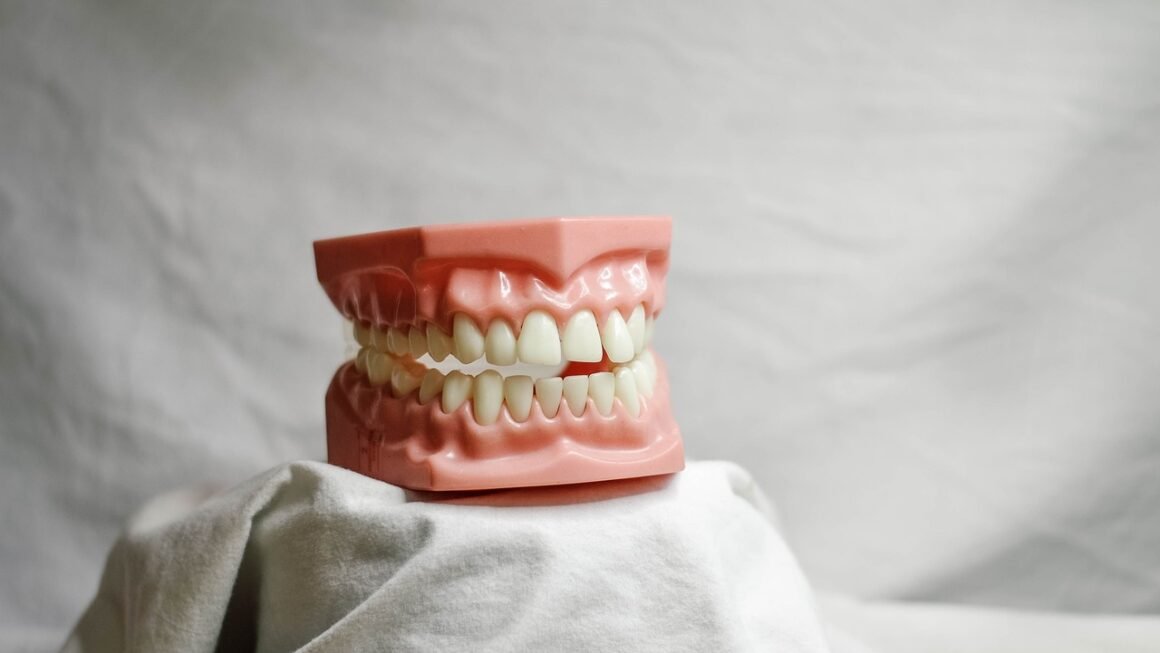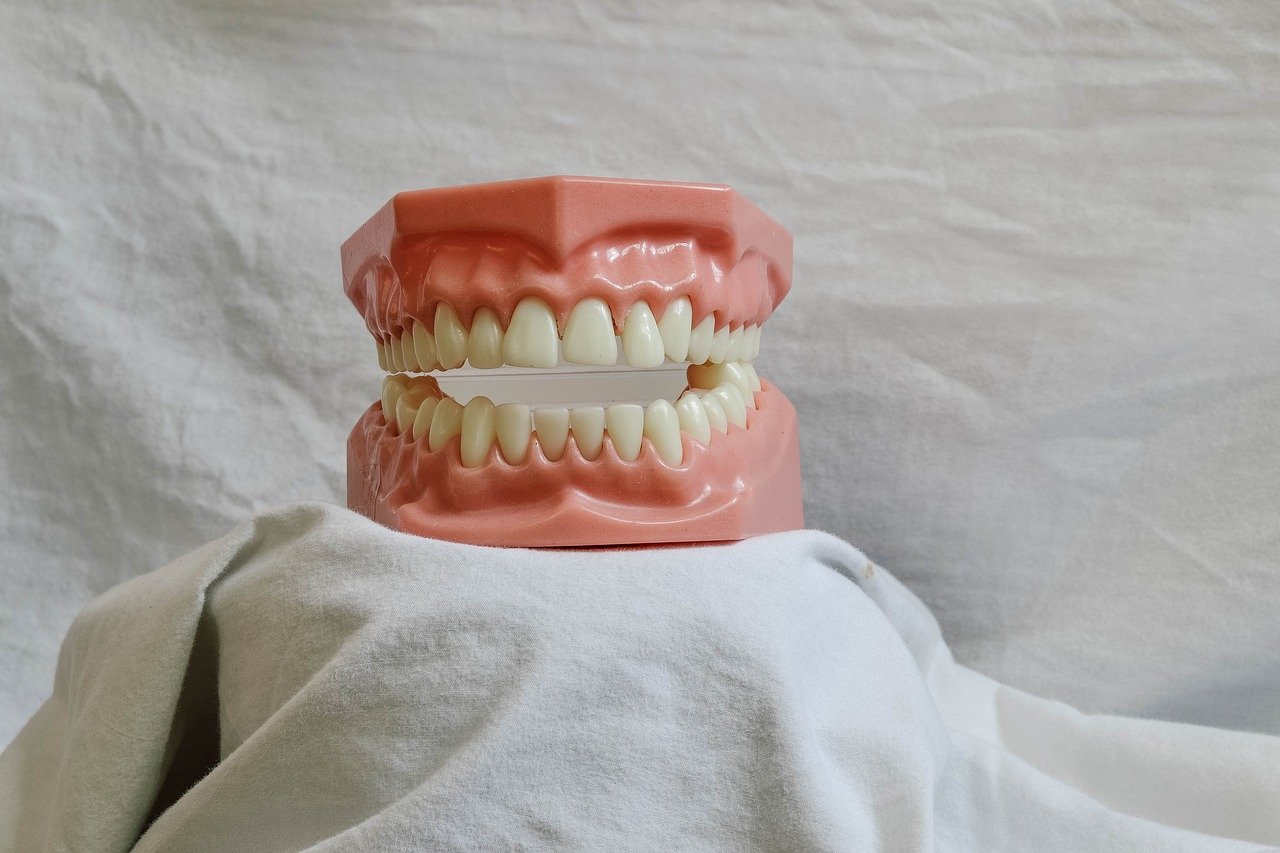
Maintaining optimal oral health is a cornerstone of overall well-being. It’s about more than just a bright smile; proper dental hygiene can prevent a host of health problems, from gum disease to systemic infections. This comprehensive guide will walk you through essential dental hygiene practices, empowering you to take control of your oral health and achieve a confident, healthy smile.
The Importance of Daily Dental Hygiene
Preventing Plaque and Tartar Buildup
Plaque, a sticky film of bacteria, constantly forms on your teeth. When plaque isn’t removed through regular brushing and flossing, it hardens into tartar (calculus), which can only be removed by a dental professional. The buildup of plaque and tartar leads to:
- Gingivitis: Inflammation of the gums, characterized by redness, swelling, and bleeding.
- Periodontitis: A more severe form of gum disease that damages the soft tissue and bone supporting your teeth, potentially leading to tooth loss. Approximately 47.2% of adults aged 30 years and older have some form of periodontal disease, according to the CDC.
Actionable Takeaway: Brushing twice daily and flossing once daily are crucial steps in preventing plaque and tartar buildup.
Reducing Bad Breath (Halitosis)
Bad breath, often caused by bacteria in the mouth, can be embarrassing and impact your social life. Food particles trapped between teeth and on the tongue provide fuel for these bacteria. Regular dental hygiene practices effectively combat halitosis by:
- Removing food debris.
- Eliminating odor-causing bacteria.
- Maintaining a healthy oral environment.
Practical Example: Many people find success incorporating a tongue scraper into their daily routine to remove bacteria from the tongue’s surface, a common source of bad breath.
Protecting Overall Health
Studies have linked poor oral health to various systemic conditions, including:
- Heart disease: Bacteria from the mouth can enter the bloodstream and contribute to inflammation in the heart.
- Diabetes: Gum disease can make it more difficult to control blood sugar levels.
- Respiratory infections: Oral bacteria can be aspirated into the lungs, leading to pneumonia and other respiratory problems.
- Pregnancy complications: Periodontal disease has been linked to premature birth and low birth weight.
Actionable Takeaway: Maintaining good oral hygiene is an investment in your overall health, not just your smile.
Mastering the Art of Brushing
Choosing the Right Toothbrush
Selecting the appropriate toothbrush is the first step towards effective brushing. Consider these factors:
- Bristle type: Opt for a soft-bristled toothbrush to avoid damaging your enamel and gums.
- Head size: Choose a brush head that can easily reach all areas of your mouth, including the back teeth.
- Manual vs. Electric: Both types can be effective. Electric toothbrushes may offer advantages such as built-in timers and pressure sensors, but a manual toothbrush used correctly is perfectly adequate.
Practical Example: Many dentists recommend electric toothbrushes with a rotating-oscillating head for more effective plaque removal.
Proper Brushing Technique
Effective brushing requires more than just scrubbing. Use these techniques for optimal results:
- Angle the toothbrush: Hold the toothbrush at a 45-degree angle to your gums.
- Gentle, circular motions: Use gentle, circular motions to clean each tooth. Avoid applying excessive pressure, which can damage your enamel and gums.
- Brush all surfaces: Brush the outer, inner, and chewing surfaces of each tooth.
- Don’t forget your tongue: Gently brush or scrape your tongue to remove bacteria and freshen your breath.
- Time yourself: Brush for at least two minutes, ensuring you clean all areas of your mouth. Many electric toothbrushes have built-in timers to help with this.
Actionable Takeaway: Visualize dividing your mouth into quadrants and spend 30 seconds brushing each section.
When to Replace Your Toothbrush
Even with proper care, toothbrushes wear out over time. It’s important to replace your toothbrush regularly for optimal effectiveness.
- Replace every three months: This ensures the bristles remain effective at removing plaque and bacteria.
- Replace after illness: Replace your toothbrush after you’ve been sick to prevent re-infection.
- Look for signs of wear: If the bristles are frayed or splayed, it’s time for a new toothbrush.
The Importance of Flossing
Why Flossing is Essential
Brushing alone cannot reach the areas between your teeth and under the gum line, where plaque and food particles often accumulate. Flossing is crucial for removing plaque from these hard-to-reach areas, preventing cavities and gum disease. Flossing complements brushing by:
- Removing plaque and food particles from between teeth.
- Stimulating the gums, improving circulation.
- Preventing gum disease and tooth decay in interdental spaces.
Effective Flossing Techniques
Flossing effectively requires proper technique. Here’s a step-by-step guide:
- Break off a length of floss: Use about 18 inches of floss, wrapping most of it around your middle fingers, leaving a few inches to work with.
- Guide the floss: Gently guide the floss between your teeth using a sawing motion. Avoid snapping the floss into your gums.
- Curve the floss: Curve the floss into a “C” shape around each tooth, sliding it gently under the gum line.
- Clean each tooth: Use a clean section of floss for each tooth, moving it up and down to remove plaque and debris.
Practical Example: If you find traditional flossing difficult, consider using floss picks or interdental brushes.
Alternatives to Traditional Floss
If you struggle with traditional floss, there are several alternatives that can help you maintain good interdental hygiene:
- Floss picks: These pre-threaded flossers are easy to use and convenient for on-the-go flossing.
- Interdental brushes: These small brushes are designed to clean between teeth and around braces or dental implants.
- Water flossers: Also known as oral irrigators, water flossers use a stream of water to remove plaque and debris from between teeth and under the gum line.
Actionable Takeaway: Experiment with different flossing methods to find one that works best for you and incorporate it into your daily routine.
The Role of Mouthwash
Benefits of Using Mouthwash
Mouthwash can be a valuable addition to your dental hygiene routine, providing several benefits:
- Freshens breath: Mouthwash contains ingredients that kill odor-causing bacteria and leave your mouth feeling fresh.
- Reduces plaque and gingivitis: Some mouthwashes contain antibacterial ingredients that help reduce plaque buildup and prevent gingivitis.
- Fluoride protection: Fluoride mouthwashes help strengthen tooth enamel and protect against cavities.
- Can help with dry mouth: Some mouthwashes are formulated to stimulate saliva production, providing relief from dry mouth.
Choosing the Right Mouthwash
Different types of mouthwash offer different benefits. Consider these factors when choosing a mouthwash:
- Fluoride: If you’re prone to cavities, choose a mouthwash that contains fluoride.
- Antiseptic: If you have gingivitis or bad breath, choose a mouthwash with antibacterial ingredients like chlorhexidine or cetylpyridinium chloride (CPC).
- Alcohol-free: Alcohol can dry out your mouth, so consider an alcohol-free mouthwash if you have dry mouth.
- Consult your dentist: Ask your dentist for recommendations based on your individual needs.
Practical Example: For patients with sensitive teeth, a fluoride mouthwash with a neutral pH is often recommended.
Proper Mouthwash Usage
Using mouthwash correctly is essential to reap its benefits:
- Rinse after brushing and flossing: This allows the mouthwash to reach all areas of your mouth and maximize its effectiveness.
- Use the correct amount: Follow the instructions on the bottle. Typically, you’ll need to rinse with 15-20 ml of mouthwash.
- Rinse for the recommended time: Rinse for 30-60 seconds, ensuring the mouthwash reaches all areas of your mouth.
- Do not swallow: Spit out the mouthwash after rinsing.
Actionable Takeaway: Read and follow the instructions on your chosen mouthwash for optimal results.
Dietary Considerations for Oral Health
Foods that Promote Healthy Teeth
Your diet plays a significant role in your oral health. Certain foods can help strengthen your teeth and gums:
- Dairy products: Milk, cheese, and yogurt are rich in calcium and phosphorus, which are essential for strong teeth. They also help neutralize acids in the mouth.
- Crunchy fruits and vegetables: Apples, carrots, and celery stimulate saliva production, which helps wash away food particles and neutralize acids.
- Leafy green vegetables: Spinach, kale, and other leafy greens are rich in vitamins and minerals that are essential for healthy gums.
- Nuts and seeds: Almonds, walnuts, and sunflower seeds are good sources of calcium and phosphorus.
Foods to Limit or Avoid
Conversely, certain foods can harm your teeth and gums:
- Sugary foods and drinks: Sugar feeds bacteria in the mouth, leading to acid production and tooth decay. Limit your intake of sugary snacks, candies, sodas, and juices.
- Acidic foods and drinks: Citrus fruits, tomatoes, and vinegar can erode tooth enamel. Consume these foods in moderation and rinse your mouth with water afterward.
- Sticky foods: Sticky foods like caramels and gummy candies cling to your teeth, providing a breeding ground for bacteria.
- Starchy foods: Starchy foods like potato chips and white bread can break down into sugars in the mouth, contributing to tooth decay.
Practical Example: Consider swapping sugary drinks for water or unsweetened tea to protect your enamel.
The Importance of Hydration
Drinking plenty of water is crucial for maintaining good oral health:
- Stimulates saliva production: Saliva helps wash away food particles, neutralize acids, and fight bacteria.
- Prevents dry mouth: Dry mouth increases your risk of tooth decay and gum disease.
- Fluoride benefits: Many water supplies are fluoridated, which helps strengthen tooth enamel and protect against cavities.
Actionable Takeaway: Carry a water bottle with you and sip throughout the day to stay hydrated.
Regular Dental Check-ups and Professional Cleanings
The Importance of Routine Visits
Regular dental check-ups and professional cleanings are essential for maintaining optimal oral health, even with excellent at-home care.
- Early detection of problems: Dentists can detect early signs of tooth decay, gum disease, and other oral health problems before they become serious.
- Professional cleaning: Dental hygienists can remove plaque and tartar buildup that you can’t remove with brushing and flossing alone.
- Oral cancer screening: Dentists perform oral cancer screenings during routine check-ups, which can help detect cancer in its early stages.
- Personalized advice: Your dentist can provide personalized advice on how to improve your oral hygiene based on your individual needs.
What to Expect During a Check-up
A typical dental check-up includes the following:
- Review of your medical history: Your dentist will ask about your medical history and any medications you’re taking.
- Oral examination: Your dentist will examine your teeth, gums, and other oral tissues for signs of problems.
- X-rays: X-rays may be taken to detect hidden problems, such as cavities between teeth or bone loss.
- Professional cleaning: A dental hygienist will remove plaque and tartar buildup from your teeth.
- Treatment planning: If any problems are detected, your dentist will discuss treatment options with you.
How Often to Visit the Dentist
Most dentists recommend visiting the dentist every six months for a check-up and cleaning. However, the frequency of your visits may vary depending on your individual needs.
- High-risk individuals: People with a history of tooth decay, gum disease, or other oral health problems may need to visit the dentist more frequently.
- Children and adolescents: Children and adolescents are more prone to tooth decay and may benefit from more frequent check-ups.
- Pregnant women: Pregnancy can increase your risk of gum disease, so it’s important to visit the dentist regularly during pregnancy.
Actionable Takeaway: Schedule regular dental appointments and follow your dentist’s recommendations for maintaining optimal oral health.
Conclusion
Maintaining diligent dental hygiene practices is a lifelong commitment with significant rewards. By incorporating proper brushing and flossing techniques, using mouthwash effectively, making smart dietary choices, and attending regular dental check-ups, you can safeguard your oral health and enjoy a confident, healthy smile for years to come. Remember that prevention is always better than cure, and a proactive approach to dental hygiene will contribute significantly to your overall well-being.