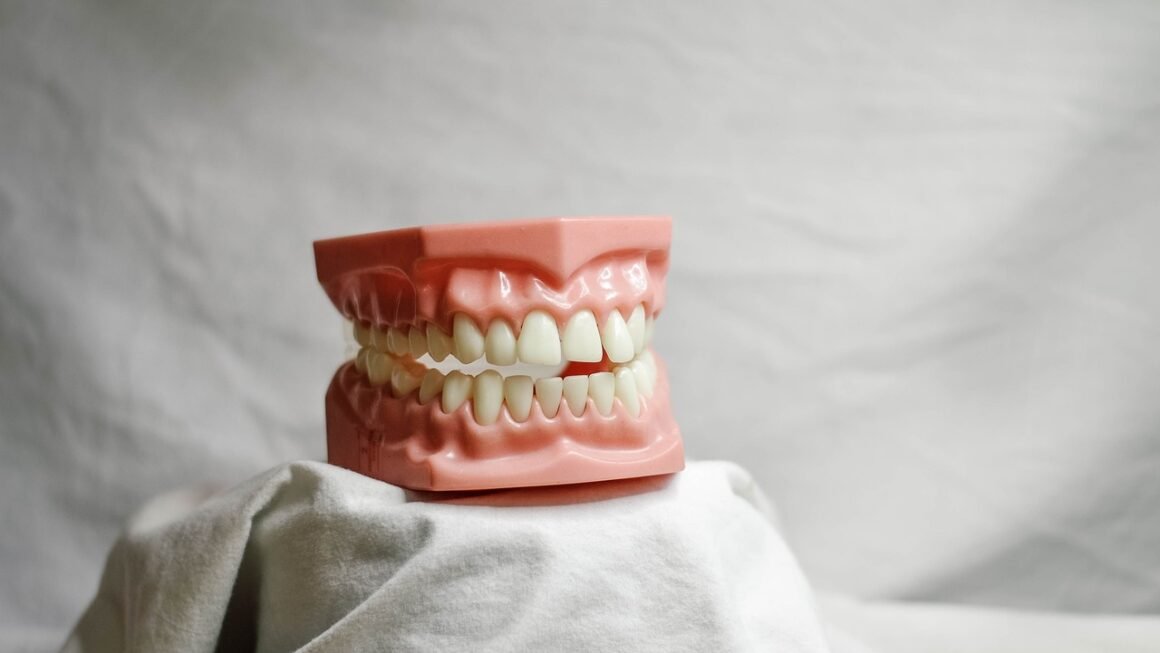
Maintaining optimal dental hygiene is more than just brushing your teeth; it’s a cornerstone of overall health and well-being. Neglecting oral care can lead to serious issues such as gum disease, tooth decay, and even systemic health problems. This comprehensive guide provides practical tips and insights to help you establish and maintain a robust dental hygiene routine, ensuring a healthy and confident smile for years to come.
The Importance of a Solid Dental Hygiene Routine
Preventing Tooth Decay and Cavities
Tooth decay and cavities are among the most common dental problems worldwide. Bacteria in your mouth thrive on sugars and starches, producing acids that erode tooth enamel. A consistent dental hygiene routine is crucial for removing plaque and food debris, thereby reducing the risk of acid attacks.
- Brush twice daily: Use fluoride toothpaste to strengthen enamel and kill bacteria.
- Floss daily: Remove plaque and food particles from between your teeth, where your toothbrush can’t reach.
- Limit sugary foods and drinks: Reduce the fuel source for cavity-causing bacteria.
- Example: Instead of snacking on candy, opt for fruits and vegetables, which are naturally low in sugar and can even help clean your teeth.
Combating Gum Disease (Gingivitis and Periodontitis)
Gum disease, also known as periodontal disease, is an infection of the gums that can damage soft tissue and bone. In its early stages (gingivitis), it’s often reversible with proper oral hygiene. However, if left untreated, it can progress to periodontitis, a more severe form that can lead to tooth loss.
- Symptoms to watch out for: Red, swollen, or bleeding gums; persistent bad breath; receding gums.
- Effective techniques: Use a soft-bristled toothbrush and gentle circular motions when brushing your gums.
- Professional cleanings: Regular dental check-ups and cleanings are essential for removing hardened plaque (tartar) that can’t be removed by brushing alone.
- Data point: According to the CDC, nearly half of adults aged 30 or older show signs of gum disease.
Overall Health Benefits
Good oral hygiene isn’t just about a healthy smile; it’s also linked to overall health. Studies have shown a connection between poor oral health and various systemic conditions, including heart disease, diabetes, and respiratory infections.
- Reducing Inflammation: Oral bacteria can enter the bloodstream and contribute to inflammation throughout the body.
- Lowering Risk of Cardiovascular Issues: Some studies suggest that oral bacteria may play a role in the development of heart disease.
- Managing Diabetes: Gum disease can make it more difficult to control blood sugar levels.
- Example: Maintaining good oral hygiene can reduce the risk of bacterial infections that can exacerbate other health conditions.
Mastering the Art of Brushing and Flossing
Proper Brushing Technique
Brushing is the cornerstone of any dental hygiene routine, but it’s essential to do it correctly.
- Use a soft-bristled toothbrush: This is gentler on your gums and enamel.
- Apply fluoride toothpaste: Use a pea-sized amount.
- Brush for two minutes: Divide your mouth into quadrants and spend 30 seconds on each.
- Use gentle, circular motions: Avoid aggressive scrubbing, which can damage gums and enamel.
- Don’t forget your tongue: Brush your tongue to remove bacteria and freshen your breath.
- Replace your toothbrush every 3 months: Or sooner if the bristles are frayed.
The Right Way to Floss
Flossing removes plaque and food particles from areas your toothbrush can’t reach.
- Use about 18 inches of floss: Wind most of the floss around your middle fingers, leaving a few inches to work with.
- Gently guide the floss between your teeth: Use a sawing motion to avoid snapping the floss against your gums.
- Curve the floss around each tooth: Slide it gently under the gumline.
- Use a clean section of floss for each tooth: This prevents spreading bacteria.
- Alternative options: If you find traditional flossing difficult, consider using floss picks or interdental brushes.
Understanding Interdental Cleaning Aids
Beyond brushing and flossing, interdental cleaning aids can further enhance your oral hygiene.
- Interdental Brushes: These small brushes are designed to clean between teeth, especially if you have larger gaps.
- Water Flossers: These devices use a stream of water to remove plaque and food particles. They can be particularly helpful for people with braces or other dental appliances.
- Mouthwash: While not a substitute for brushing and flossing, mouthwash can help kill bacteria and freshen breath. Choose a fluoride mouthwash for added protection against cavities.
- Actionable Tip: Incorporate at least one interdental cleaning aid into your daily routine for enhanced plaque removal.
The Role of Professional Dental Care
Regular Check-ups and Cleanings
Regular dental check-ups and cleanings are essential for maintaining optimal oral health. Your dentist can identify and treat problems early, preventing them from becoming more serious.
- Frequency: Most people should visit the dentist every six months.
- What to expect: During a check-up, your dentist will examine your teeth and gums, look for signs of decay or gum disease, and may take X-rays.
- Professional cleaning: A dental hygienist will remove plaque and tartar from your teeth, including areas you can’t reach with brushing and flossing.
- Early Detection: Regular check-ups allow for the early detection of oral cancer and other serious conditions.
Understanding Dental Treatments
From fillings to root canals, understanding common dental treatments can help you make informed decisions about your oral health.
- Fillings: Used to repair cavities by removing decayed tooth structure and filling the space with a material such as amalgam, composite resin, or porcelain.
- Root Canals: Necessary when the pulp (nerve and blood vessels) inside a tooth becomes infected. The infected pulp is removed, the tooth is cleaned and disinfected, and then filled and sealed.
- Crowns: Used to cover and protect damaged or weakened teeth.
- Dental Implants: A long-term solution for replacing missing teeth.
- Actionable Tip: Don’t hesitate to ask your dentist questions about any recommended treatments. Understanding your options can help you feel more confident in your decisions.
The Importance of Early Intervention
Addressing dental issues early can save you time, money, and discomfort in the long run.
- Preventive Care: Early intervention focuses on preventing problems before they start. This includes regular check-ups, fluoride treatments, and sealants.
- Addressing Minor Issues: Catching cavities or gum disease in their early stages can often be treated with less invasive and less expensive procedures.
- Long-term Benefits: Early intervention can help you maintain a healthy smile for life.
- Example: Treating a small cavity with a filling is much simpler and less expensive than waiting until it requires a root canal or extraction.
Diet and Lifestyle Choices for Optimal Oral Health
Foods That Promote Dental Health
What you eat and drink plays a significant role in your oral health.
- Calcium-rich foods: Dairy products, leafy greens, and fortified foods help strengthen teeth and bones.
- Crisp fruits and vegetables: Apples, carrots, and celery stimulate saliva flow, which helps neutralize acids and wash away food particles.
- Water: Staying hydrated helps keep saliva flowing, which is essential for maintaining a healthy oral environment.
- Practical Example: Include a variety of these foods in your daily diet to support your dental health.
Foods and Drinks to Limit or Avoid
Certain foods and drinks can contribute to tooth decay and other oral health problems.
- Sugary foods and drinks: Candy, soda, and processed snacks provide fuel for cavity-causing bacteria.
- Acidic foods and drinks: Citrus fruits, fruit juices, and vinegar can erode tooth enamel.
- Sticky foods: These can cling to your teeth and provide a breeding ground for bacteria.
- Practical Tip: If you do consume these items, brush your teeth afterward or rinse your mouth with water.
The Impact of Habits on Oral Health
Lifestyle habits can also affect your dental health.
- Smoking: Smoking increases the risk of gum disease, tooth loss, and oral cancer.
- Alcohol Consumption: Excessive alcohol consumption can contribute to dry mouth and increase the risk of oral cancer.
- Teeth Grinding (Bruxism): This can wear down tooth enamel and lead to jaw pain.
- Practical Suggestion: If you engage in any of these habits, consider taking steps to reduce or eliminate them to improve your oral health. Talk to your dentist about solutions like mouthguards for bruxism.
Addressing Specific Dental Concerns
Managing Sensitive Teeth
Tooth sensitivity can be caused by a variety of factors, including enamel erosion, receding gums, and tooth decay.
- Use desensitizing toothpaste: These toothpastes contain ingredients that help block pain signals from reaching the nerves in your teeth.
- Avoid acidic foods and drinks: These can further erode enamel.
- Use a soft-bristled toothbrush: This is gentler on your gums and enamel.
- See your dentist: They can help determine the cause of your sensitivity and recommend appropriate treatment.
Dealing with Dry Mouth (Xerostomia)
Dry mouth occurs when your salivary glands don’t produce enough saliva. This can increase the risk of tooth decay and gum disease.
- Stay hydrated: Drink plenty of water throughout the day.
- Chew sugar-free gum or suck on sugar-free candy: This can stimulate saliva flow.
- Use a saliva substitute: These products are available over-the-counter.
- Avoid alcohol and caffeine: These can dehydrate you.
- Consult your doctor: Certain medications can cause dry mouth as a side effect.
Caring for Dental Appliances
If you wear braces, dentures, or other dental appliances, it’s essential to follow your dentist’s instructions for proper care.
- Braces: Use special brushes and floss to clean around the brackets and wires.
- Dentures: Clean your dentures daily with a denture brush and cleanser. Soak them in a denture-cleaning solution overnight.
- Retainers: Clean your retainer with a toothbrush and mild soap.
- Actionable Tip: Maintaining your dental appliances ensures their longevity and prevents potential oral health issues.
Conclusion
Prioritizing dental hygiene maintenance is a long-term investment in your overall health and quality of life. By adopting a consistent routine of brushing, flossing, and professional dental care, you can prevent tooth decay, gum disease, and other oral health problems. Remember to make informed dietary choices and address specific dental concerns promptly. A healthy smile contributes to confidence, well-being, and a brighter future.