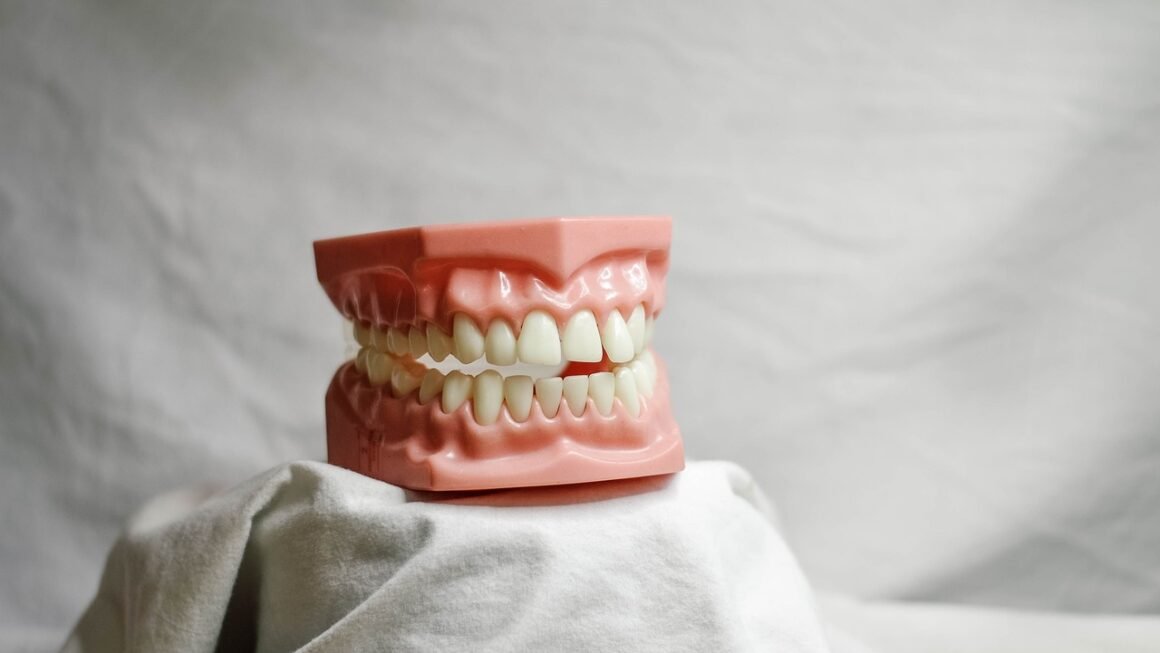
Maintaining a healthy smile isn’t just about aesthetics; it’s a cornerstone of overall well-being. A consistent and effective oral hygiene routine is crucial for preventing cavities, gum disease, and bad breath. But with so many products and techniques available, knowing where to start can be overwhelming. This guide provides a comprehensive breakdown of establishing and maintaining an optimal oral hygiene routine for a lifetime of healthy smiles.
Brushing Techniques: The Foundation of Clean Teeth
Brushing is the cornerstone of any effective oral hygiene routine. It removes plaque and food particles that contribute to tooth decay and gum disease. Understanding the proper technique is essential for maximizing its benefits.
Choosing the Right Toothbrush
- Bristle Type: Opt for a soft-bristled toothbrush. Hard bristles can damage enamel and irritate gums.
- Size and Shape: Choose a toothbrush that fits comfortably in your mouth and allows you to reach all areas, including back molars.
- Manual vs. Electric: Both manual and electric toothbrushes can be effective. Electric toothbrushes may provide a more consistent cleaning action, especially for those with dexterity issues. Some studies suggest that electric toothbrushes can remove more plaque than manual ones.
Mastering the Brushing Technique
- Angle: Hold the toothbrush at a 45-degree angle to the gumline.
- Motion: Use short, gentle, circular motions. Avoid scrubbing vigorously, as this can damage enamel and gums.
- Coverage: Clean all surfaces of each tooth – the outer (cheek) side, the inner (tongue) side, and the chewing surface.
- Time: Brush for at least two minutes, twice a day. Use a timer or a toothbrush with a built-in timer to ensure adequate brushing time. Many dentists recommend brushing after breakfast and before bed.
- Technique: Some dentists recommend the “Bass technique” focusing on cleaning at the gumline.
- Don’t forget the tongue: Brush your tongue to remove bacteria and freshen your breath.
When to Replace Your Toothbrush
- Replace your toothbrush every three months, or sooner if the bristles are frayed. Frayed bristles are less effective at cleaning teeth and can harbor bacteria.
Flossing: Reaching Where Your Brush Can’t
Flossing is an essential part of oral hygiene, as it removes plaque and food particles from between teeth, where a toothbrush can’t reach. Neglecting flossing can lead to interdental cavities and gum disease.
Types of Floss
- Traditional String Floss: This is the most common type of floss. It comes in waxed and unwaxed varieties.
- Floss Picks: These are small, disposable tools with floss already attached. They can be easier to use for some people, especially those with limited dexterity.
- Interdental Brushes: These small brushes are designed to clean between teeth and around dental implants or braces.
Proper Flossing Technique
- Length: Use about 18 inches of floss, winding most of it around your middle fingers, leaving a few inches to work with.
- Insertion: Gently guide the floss between your teeth using a sawing motion. Avoid snapping the floss into your gums.
- Contouring: Curve the floss around each tooth in a “C” shape, making sure to go below the gumline.
- Motion: Use an up-and-down motion to scrape away plaque and debris.
- Frequency: Floss at least once a day, preferably before bedtime.
Common Flossing Mistakes to Avoid
- Snapping the floss: This can injure your gums.
- Not flossing below the gumline: This leaves plaque and bacteria behind.
- Using the same section of floss for multiple teeth: This spreads bacteria.
- Ignoring bleeding: Bleeding gums can be a sign of gingivitis. If bleeding persists, consult your dentist.
Rinsing: Adding an Extra Layer of Protection
Mouthwash can be a valuable addition to your oral hygiene routine. It helps to kill bacteria, freshen breath, and prevent plaque buildup.
Types of Mouthwash
- Antiseptic Mouthwash: Contains ingredients like chlorhexidine or cetylpyridinium chloride (CPC) that kill bacteria and reduce plaque. Often prescribed for treating gingivitis or after dental surgery.
- Fluoride Mouthwash: Contains fluoride to help strengthen enamel and prevent cavities. Recommended for people at high risk of tooth decay.
- Cosmetic Mouthwash: Primarily used to freshen breath and does not have significant antibacterial properties.
How to Use Mouthwash Effectively
- Timing: Use mouthwash after brushing and flossing.
- Dosage: Use the amount recommended on the product label (usually about 20 ml).
- Rinsing: Swish the mouthwash around in your mouth for 30 seconds.
- Spitting: Spit out the mouthwash after rinsing. Do not swallow it.
- Avoid eating or drinking: Avoid eating or drinking for at least 30 minutes after using mouthwash to allow it to work effectively.
Choosing the Right Mouthwash for Your Needs
- For cavity prevention: Choose a fluoride mouthwash.
- For gum disease: Choose an antiseptic mouthwash.
- For bad breath: Choose a mouthwash specifically designed to freshen breath.
- Consult your dentist: Ask your dentist for recommendations based on your individual needs.
Diet and Lifestyle: Supporting a Healthy Smile
What you eat and how you live significantly impacts your oral health. Making healthy choices can help prevent cavities, gum disease, and other dental problems.
Foods to Limit or Avoid
- Sugary Foods and Drinks: Sugar feeds bacteria in the mouth, which produces acids that attack tooth enamel. Limit sugary snacks, candy, soda, and fruit juice.
- Acidic Foods and Drinks: Acids erode tooth enamel, making teeth more susceptible to decay. Limit citrus fruits, tomatoes, and carbonated drinks.
- Sticky Foods: Sticky foods like caramel and dried fruit cling to teeth, providing a prolonged source of sugar for bacteria.
- Hard Candies: Sucking on hard candies exposes teeth to sugar for an extended period.
Foods to Promote Oral Health
- Crunchy Fruits and Vegetables: Apples, carrots, and celery stimulate saliva production, which helps to neutralize acids and wash away food particles.
- Dairy Products: Milk, cheese, and yogurt contain calcium and phosphorus, which help to strengthen tooth enamel.
- Leafy Greens: Spinach and kale are rich in vitamins and minerals that are essential for healthy gums and teeth.
- Water: Drinking plenty of water helps to keep the mouth hydrated and wash away food particles and bacteria.
Lifestyle Habits to Consider
- Quit Smoking: Smoking increases the risk of gum disease, tooth loss, and oral cancer.
- Limit Alcohol Consumption: Excessive alcohol consumption can dry out the mouth and increase the risk of tooth decay.
- Manage Stress: Stress can weaken the immune system and increase the risk of gum disease.
- Stay Hydrated: Dry mouth can contribute to tooth decay and bad breath. Drink plenty of water throughout the day.
Regular Dental Checkups: Maintaining a Proactive Approach
Regular dental checkups are an essential part of maintaining optimal oral health. Your dentist can detect and treat problems early, before they become more serious and expensive.
What to Expect During a Dental Checkup
- Examination: Your dentist will examine your teeth, gums, and mouth for signs of decay, gum disease, and other problems.
- Cleaning: A dental hygienist will clean your teeth to remove plaque and tartar buildup.
- X-rays: X-rays may be taken to detect cavities, bone loss, and other problems that are not visible during a visual examination.
- Oral Cancer Screening: Your dentist will examine your mouth for signs of oral cancer.
- Discussion: Your dentist will discuss your oral health with you and recommend any necessary treatment.
How Often to Visit the Dentist
- Most people should visit the dentist every six months for a checkup and cleaning. However, your dentist may recommend more frequent visits if you have a history of dental problems or are at high risk for tooth decay or gum disease.
The Importance of Early Detection
- Early detection of dental problems can prevent them from becoming more serious and expensive to treat. For example, early treatment of gum disease can prevent tooth loss.
Addressing Specific Oral Hygiene Concerns
Different individuals may have specific oral hygiene concerns that require tailored approaches. Addressing these concerns effectively can significantly improve oral health.
Sensitive Teeth
- Use desensitizing toothpaste: These toothpastes contain ingredients like potassium nitrate that block pain signals from the teeth.
- Use a soft-bristled toothbrush: Gentle brushing can help prevent further enamel erosion.
- Avoid acidic foods and drinks: Acids can exacerbate tooth sensitivity.
- See your dentist: Your dentist can recommend other treatments, such as fluoride varnish or dental sealants.
Dry Mouth
- Drink plenty of water: Staying hydrated helps to stimulate saliva production.
- Use sugar-free gum or lozenges: Chewing gum or sucking on lozenges can also stimulate saliva production.
- Use a saliva substitute: These products can help to lubricate the mouth.
- Avoid alcohol and caffeine: These substances can dry out the mouth.
- Consult your doctor: Dry mouth can be a side effect of certain medications or medical conditions.
Gum Disease
- Practice good oral hygiene: Brush and floss regularly to remove plaque and bacteria.
- See your dentist regularly: Regular dental cleanings can help to remove tartar buildup.
- Use an antiseptic mouthwash: Mouthwash can help to kill bacteria and reduce inflammation.
- Consider scaling and root planing: This deep cleaning procedure removes plaque and tartar from below the gumline.
- Talk to your dentist about other treatments: In severe cases, surgery may be necessary to treat gum disease.
Conclusion
Establishing and maintaining a comprehensive oral hygiene routine is an investment in your overall health and well-being. By understanding the proper techniques for brushing, flossing, and rinsing, making informed dietary choices, and attending regular dental checkups, you can significantly reduce your risk of dental problems and enjoy a healthy, confident smile for years to come. Remember to consult with your dentist for personalized recommendations tailored to your specific needs and concerns.