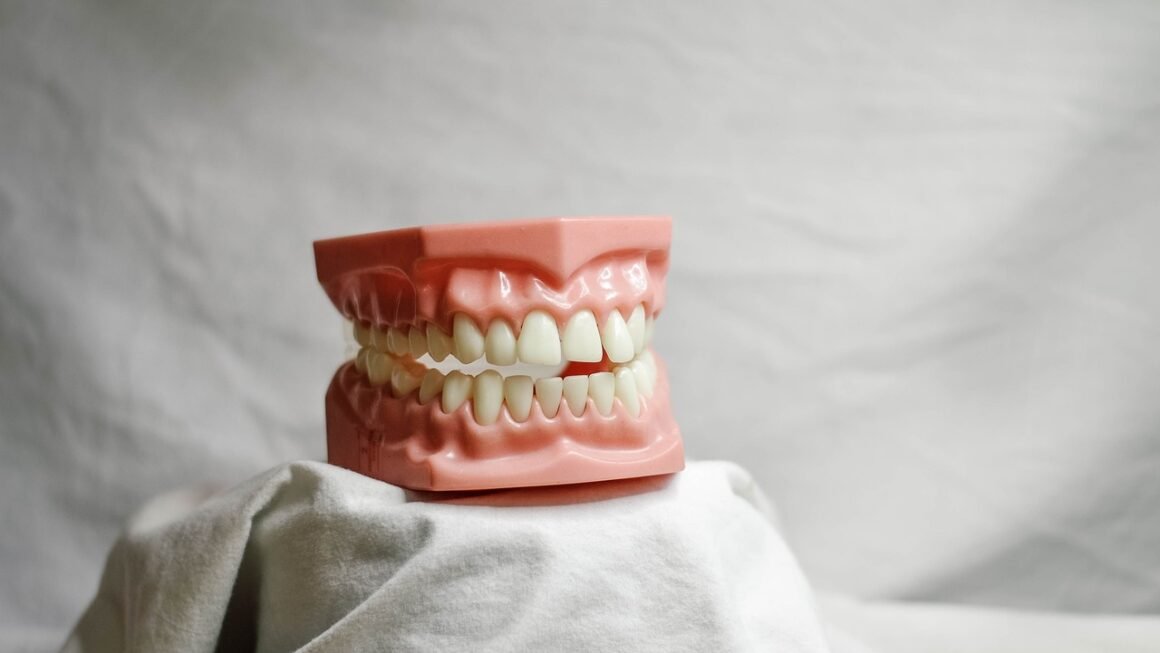
Maintaining stellar dental hygiene isn’t just about flashing a bright smile; it’s a cornerstone of your overall health and well-being. From preventing cavities to warding off gum disease and even impacting systemic conditions like heart disease, good oral care is an investment that pays dividends for life. Let’s delve into the essential elements of effective dental hygiene maintenance to keep your pearly whites sparkling and your health thriving.
The Foundation: Brushing Techniques and Tools
A proper brushing routine is the bedrock of excellent dental hygiene. But are you sure you’re doing it right? It’s more than just a quick scrub.
Choosing the Right Toothbrush
- Manual vs. Electric: Both can be effective, but electric toothbrushes often feature timers and pressure sensors, aiding in thoroughness and preventing aggressive brushing.
- Bristle Type: Opt for soft-bristled brushes. Hard bristles can erode enamel and irritate gums.
- Size and Shape: Choose a brush head that comfortably reaches all areas of your mouth, including the back molars.
Mastering the Brushing Technique
- The Angle: Hold your brush at a 45-degree angle to your gum line.
- Gentle Circular Motions: Use gentle, circular motions to clean each tooth surface, avoiding scrubbing.
- Dedicated Time: Brush for a full two minutes, ensuring you cover all surfaces: front, back, and chewing surfaces. A study by the American Dental Association found that only 1 in 4 adults brush for the recommended 2 minutes.
- Don’t Forget Your Tongue: Brushing your tongue removes bacteria and freshens breath. Use a tongue scraper for even better results.
- Frequency: Brush at least twice a day – once in the morning and once before bed.
Flossing: Reaching Where Your Brush Can’t
Flossing is essential for removing plaque and food particles from between your teeth and along the gumline, areas where your toothbrush can’t reach. Neglecting to floss can lead to cavities and gum disease.
Choosing the Right Floss
- Waxed vs. Unwaxed: Choose the type that glides most easily between your teeth. Waxed floss might be easier for tightly spaced teeth.
- Flavored vs. Unflavored: This is purely a matter of personal preference.
- Dental Tape: A wider, flatter floss that can be more comfortable for those with larger gaps between their teeth.
- Floss Picks: A convenient option, especially when you’re on the go. While not as effective as traditional floss, they are better than not flossing at all.
The Proper Flossing Technique
- Use Enough Floss: Break off about 18 inches of floss.
- Gently Guide the Floss: Use a sawing motion to gently guide the floss between your teeth. Avoid snapping the floss against your gums.
- Form a “C” Shape: Curve the floss around each tooth in a “C” shape, sliding it gently under the gumline.
- Clean Each Tooth Thoroughly: Use a clean section of floss for each tooth.
- Frequency: Floss at least once a day, preferably before bedtime.
Beyond Brushing and Flossing: Additional Tools and Techniques
While brushing and flossing are crucial, incorporating other tools and techniques can further enhance your dental hygiene.
Mouthwash
- Types of Mouthwash:
Fluoride Mouthwash: Helps strengthen enamel and prevent cavities.
Antiseptic Mouthwash: Kills bacteria and reduces plaque and gingivitis.
* Cosmetic Mouthwash: Primarily freshens breath but offers limited therapeutic benefits.
- How to Use Mouthwash: Rinse for 30 seconds after brushing and flossing. Avoid eating or drinking for 30 minutes after rinsing.
- Considerations: Mouthwashes containing alcohol can dry out the mouth, potentially worsening bad breath in the long run. Opt for alcohol-free versions if you have dry mouth.
Interdental Brushes
- Benefits: Ideal for cleaning between teeth with wider gaps or around dental implants.
- Usage: Gently insert the brush between teeth and move it back and forth.
- Selection: Choose a brush size that fits comfortably between your teeth without forcing it.
Tongue Scrapers
- Benefits: Removes bacteria, food debris, and dead cells from the tongue’s surface, reducing bad breath.
- Usage: Gently scrape the tongue from back to front, rinsing the scraper after each stroke.
The Role of Diet and Lifestyle
What you eat and how you live significantly impacts your dental health.
Dietary Choices
- Limit Sugary Foods and Drinks: Sugar feeds bacteria that produce acid, leading to tooth decay.
- Avoid Acidic Foods and Drinks: Acid can erode enamel. If you consume acidic items, rinse your mouth with water afterward.
- Eat a Balanced Diet: Nutrients like calcium and vitamin D are essential for strong teeth and bones.
- Hydrate with Water: Water helps rinse away food particles and bacteria.
Lifestyle Factors
- Avoid Tobacco Products: Smoking and chewing tobacco increase the risk of gum disease, oral cancer, and tooth staining.
- Limit Alcohol Consumption: Alcohol can dry out the mouth and increase the risk of oral cancer.
- Manage Stress: Stress can lead to teeth grinding (bruxism), which can damage teeth.
Regular Dental Check-ups and Professional Cleanings
Even with diligent home care, regular dental visits are essential for maintaining optimal oral health.
The Importance of Check-ups
- Early Detection: Dentists can detect early signs of cavities, gum disease, and other oral health problems that you might not notice yourself.
- Personalized Advice: Your dentist can provide tailored recommendations based on your individual needs.
- Professional Cleaning: Removes plaque and tartar buildup that you can’t remove at home.
- Frequency: Most dentists recommend check-ups and cleanings every six months. Individuals with certain oral health conditions may need more frequent visits.
What to Expect During a Dental Visit
- Examination: Your dentist will examine your teeth, gums, and mouth for any signs of problems.
- X-rays: X-rays help detect hidden issues like cavities between teeth or problems with the tooth roots.
- Cleaning: A dental hygienist will remove plaque and tartar from your teeth.
- Fluoride Treatment: May be applied to strengthen enamel and prevent cavities.
Conclusion
Maintaining excellent dental hygiene is a lifelong commitment that requires a combination of diligent home care and regular professional check-ups. By mastering proper brushing and flossing techniques, incorporating additional tools like mouthwash and interdental brushes, making smart dietary choices, and seeing your dentist regularly, you can protect your teeth and gums and enjoy a healthy, beautiful smile for years to come. Don’t underestimate the power of a proactive approach to dental hygiene—it’s an investment in your overall health and well-being that truly pays off.