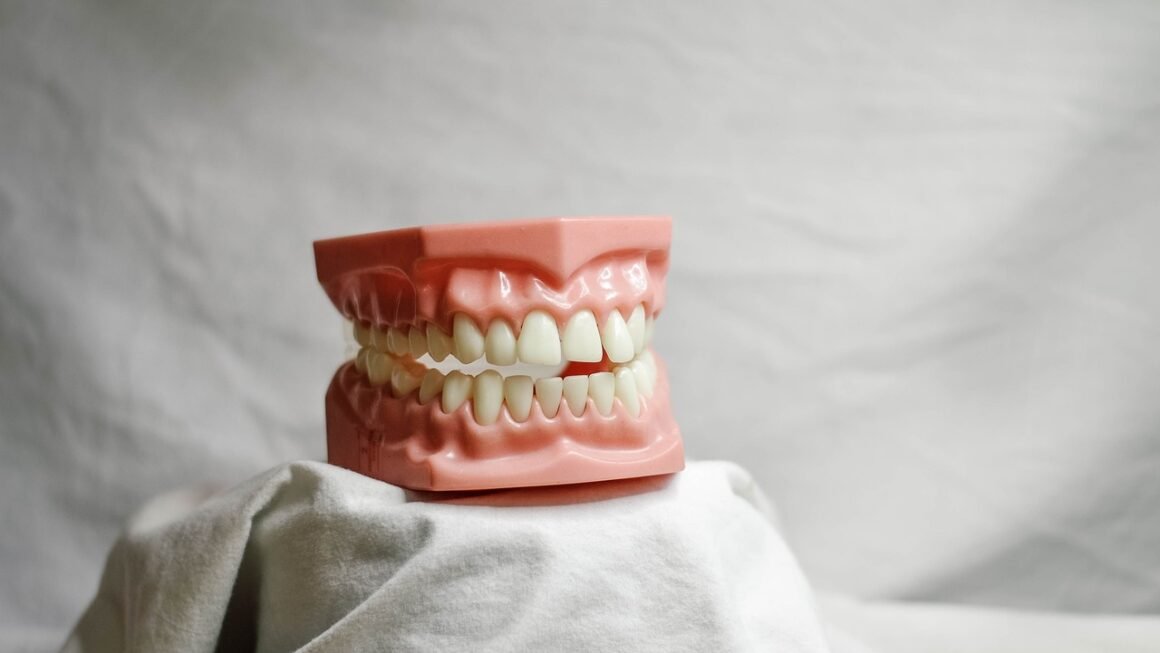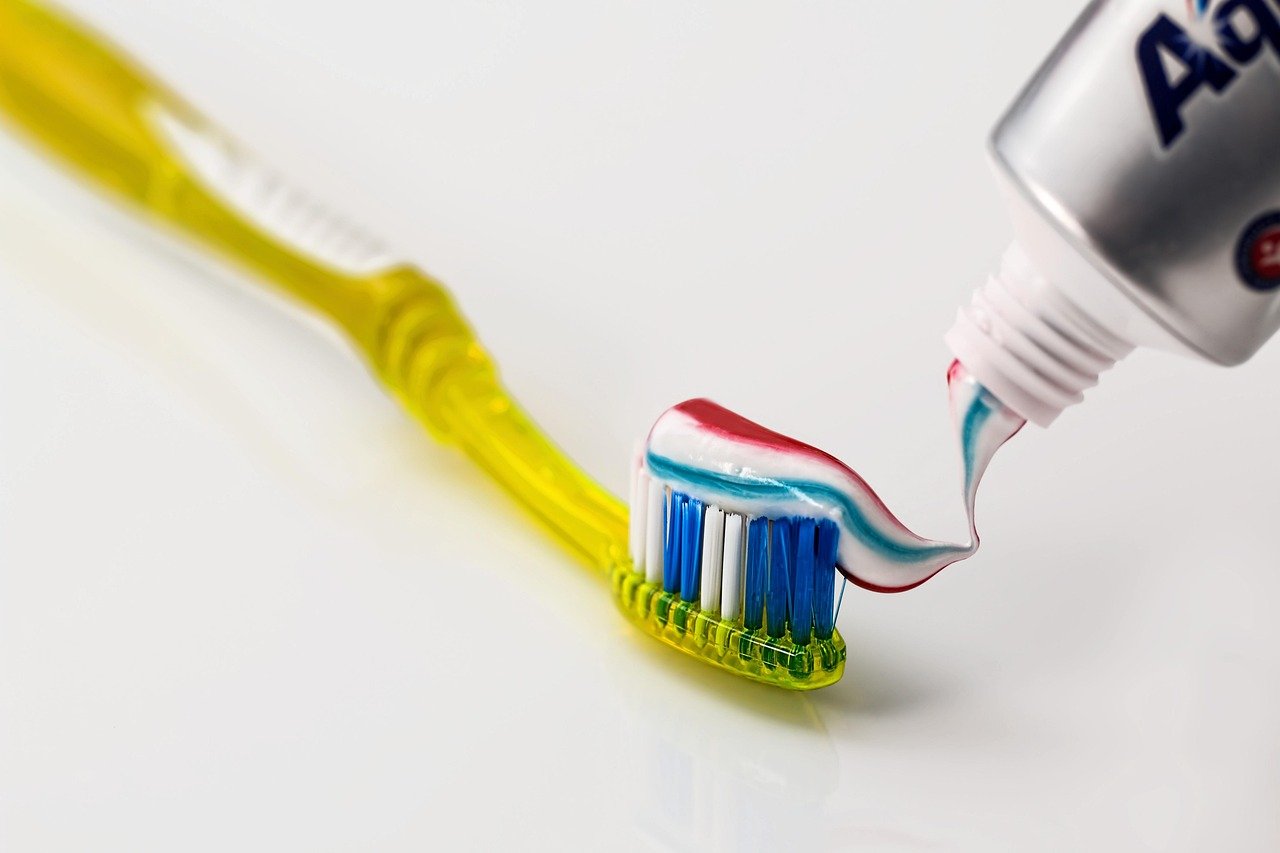
Maintaining optimal oral health is a cornerstone of overall well-being. From the radiant smile you project to the confidence you exude, healthy teeth and gums play a vital role in your daily life. But beyond aesthetics, proper dental hygiene habits are crucial for preventing cavities, gum disease, and other oral health issues that can impact your systemic health. This guide provides a comprehensive overview of essential dental hygiene practices to help you achieve and maintain a healthy, beautiful smile.
The Importance of Brushing
Choosing the Right Brush and Toothpaste
Selecting the right toothbrush and toothpaste is the first step in effective brushing.
- Toothbrush: Opt for a soft-bristled toothbrush. Medium and hard bristles can damage your gums and tooth enamel over time. Electric toothbrushes can be more effective at removing plaque and are a great option for those with limited dexterity. Consider a toothbrush with a tongue scraper on the back.
- Toothpaste: Choose a toothpaste with fluoride, an essential mineral that strengthens tooth enamel and helps prevent cavities. Look for the American Dental Association (ADA) Seal of Acceptance, which ensures the toothpaste has been tested for safety and efficacy. For sensitive teeth, consider a toothpaste formulated with potassium nitrate or stannous fluoride.
- Example: If you experience sensitivity to cold, try using a toothpaste like Sensodyne or Colgate Sensitive. These contain ingredients that block pain signals.
Proper Brushing Technique
Effective brushing involves more than just moving the brush around in your mouth.
- Technique: Hold your toothbrush at a 45-degree angle to your gums. Use gentle, short, circular motions to clean each tooth. Ensure you cover all surfaces of each tooth – the front, back, and chewing surfaces.
- Duration: Brush for at least two minutes, twice a day. Many electric toothbrushes have built-in timers to help you achieve the recommended brushing time.
- Frequency: Brush once in the morning after breakfast and once before bed. This helps remove plaque and food particles that accumulate throughout the day.
- Don’t Forget: Clean your tongue to remove bacteria and freshen your breath.
Common Brushing Mistakes
Avoiding these common mistakes will help you maximize your brushing efforts:
- Brushing too hard: This can erode enamel and irritate gums.
- Not brushing long enough: Two minutes is the recommended minimum.
- Neglecting certain areas: Pay attention to all surfaces of each tooth, especially the back teeth.
- Using a worn-out toothbrush: Replace your toothbrush every three months or sooner if the bristles are frayed.
The Role of Flossing
Why Floss?
Flossing removes plaque and food particles from between your teeth, areas that your toothbrush can’t reach. This is crucial for preventing cavities and gum disease.
- Reach: Floss reaches about 40% of the tooth’s surface, an area brushing misses completely.
- Plaque Removal: It removes plaque and food particles lodged between teeth, preventing bacterial buildup that leads to decay.
- Gum Health: Regular flossing helps prevent gingivitis (gum inflammation) and periodontitis (gum disease), leading to healthier gums and supporting tissues.
Flossing Technique
- Preparation: Use about 18 inches of floss, winding most of it around your middle fingers, leaving a couple of inches to work with.
- Insertion: Gently guide the floss between your teeth using a sawing motion. Avoid snapping the floss into your gums.
- Technique: Curve the floss into a “C” shape against one tooth. Gently slide the floss up and down, cleaning the side of the tooth. Repeat this process on the adjacent tooth.
- Frequency: Floss at least once a day, preferably before bedtime.
Types of Floss
Several types of floss are available to suit individual needs and preferences:
- Waxed Floss: Easier to slide between tight teeth.
- Unwaxed Floss: Can sometimes fray more easily, but some prefer it for its ability to grip plaque better.
- Flavored Floss: Available in various flavors like mint, cinnamon, and bubblegum.
- Dental Tape: Wider and flatter than floss, making it suitable for people with larger gaps between their teeth.
- Floss Picks: Convenient for on-the-go flossing but may not be as effective as traditional floss.
- Example: If you have braces or bridges, consider using a floss threader or interdental brush to clean around these appliances.
The Power of Rinsing
Types of Mouthwash
Mouthwash can be a valuable addition to your oral hygiene routine. Different types of mouthwash offer different benefits:
- Fluoride Mouthwash: Helps strengthen tooth enamel and prevent cavities. Use after brushing and flossing.
- Antiseptic Mouthwash: Contains ingredients like chlorhexidine or cetylpyridinium chloride (CPC) to kill bacteria and reduce plaque. Often recommended after dental procedures or for managing gum disease.
- Cosmetic Mouthwash: Primarily freshens breath and temporarily masks bad odor.
How to Use Mouthwash Effectively
- Timing: Use mouthwash after brushing and flossing.
- Dosage: Follow the instructions on the mouthwash bottle for the correct dosage. Typically, you’ll use about 20 ml.
- Technique: Swish the mouthwash around in your mouth for 30 seconds, ensuring it reaches all areas.
- Avoid Rinsing: Do not rinse your mouth with water immediately after using fluoride mouthwash, as this can wash away the fluoride.
Benefits of Using Mouthwash
- Reduces Plaque: Antiseptic mouthwash can help reduce plaque buildup.
- Fights Gingivitis: Some mouthwashes can help reduce gum inflammation and bleeding.
- Freshens Breath: Mouthwash can help eliminate bad breath.
- Prevents Cavities: Fluoride mouthwash helps strengthen tooth enamel and prevent cavities.
Diet and Hydration for Oral Health
Foods to Limit
Certain foods and drinks can contribute to tooth decay and other oral health problems.
- Sugary Foods: Candy, soda, pastries, and other sugary foods provide fuel for bacteria in your mouth, leading to acid production that erodes tooth enamel.
- Acidic Foods: Citrus fruits, vinegar, and other acidic foods can also erode tooth enamel over time.
- Sticky Foods: Foods that stick to your teeth, such as caramels and gummy candies, provide a prolonged source of sugar for bacteria.
Foods to Encourage
Include these foods in your diet to promote healthy teeth and gums:
- Fibrous Fruits and Vegetables: Apples, celery, and carrots stimulate saliva production, which helps neutralize acids and wash away food particles.
- Dairy Products: Milk, cheese, and yogurt are rich in calcium and phosphorus, which strengthen tooth enamel.
- Green Tea: Contains antioxidants that can help protect against gum disease.
The Importance of Hydration
Drinking plenty of water is crucial for maintaining oral health.
- Saliva Production: Water helps stimulate saliva production, which neutralizes acids, washes away food particles, and remineralizes tooth enamel.
- Dry Mouth Prevention: Dry mouth can increase the risk of tooth decay and gum disease. Staying hydrated helps prevent dry mouth.
- Rinsing Action: Water helps rinse away food particles and debris from your mouth.
- Tip: Drink water after meals and snacks to help wash away sugars and acids.
Regular Dental Check-ups
Why Regular Check-ups Are Important
Regular dental check-ups are essential for maintaining optimal oral health.
- Early Detection: Dentists can detect early signs of tooth decay, gum disease, and other oral health problems.
- Professional Cleaning: Dental hygienists can remove plaque and tartar buildup that you can’t remove at home.
- Oral Cancer Screening: Dentists perform oral cancer screenings during check-ups, which can help detect cancer in its early stages.
- Personalized Advice: Dentists can provide personalized advice on how to improve your oral hygiene habits.
What to Expect During a Check-up
A typical dental check-up includes:
- Examination: Your dentist will examine your teeth, gums, and mouth for signs of decay, gum disease, and other problems.
- Cleaning: A dental hygienist will remove plaque and tartar from your teeth.
- X-rays: X-rays may be taken to detect problems that are not visible to the naked eye, such as cavities between teeth or bone loss.
- Discussion: Your dentist will discuss any findings with you and recommend any necessary treatment.
How Often to Visit the Dentist
Most people should visit the dentist every six months for a check-up and cleaning. However, your dentist may recommend more frequent visits if you have certain risk factors for tooth decay or gum disease.
Conclusion
Adopting and maintaining effective dental hygiene practices is a lifelong commitment that yields significant benefits for your oral and overall health. By prioritizing regular brushing, flossing, rinsing, and incorporating a balanced diet with adequate hydration, you can safeguard your teeth and gums from common oral health issues. Coupled with routine dental check-ups, these practices will contribute to a healthy, confident smile that lasts a lifetime. Remember, consistent effort and proactive care are key to achieving optimal oral health.