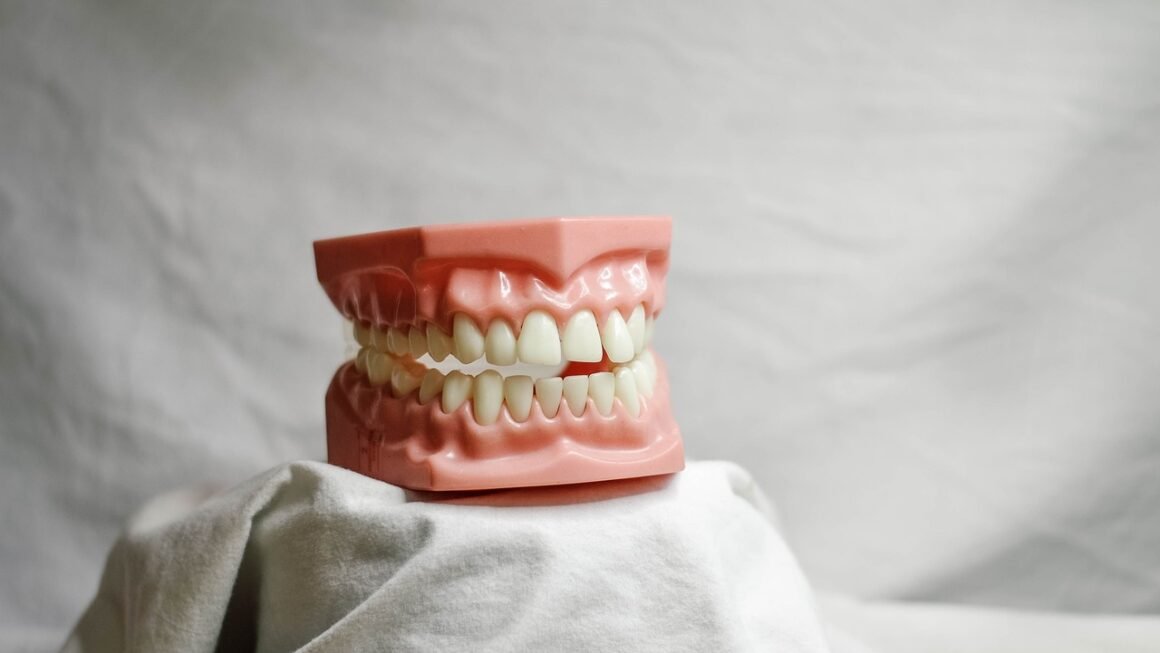
Maintaining optimal dental wellness goes far beyond just brushing and flossing. It’s a holistic approach to oral health that impacts everything from your confidence and self-esteem to your overall physical well-being. Neglecting your teeth and gums can lead to serious health problems, so let’s dive into what it takes to achieve and maintain a healthy, happy smile.
The Importance of Regular Dental Check-ups
Why are check-ups crucial?
Regular dental check-ups are the cornerstone of good oral health. They allow dentists to detect potential problems early on, when treatment is often simpler and less expensive. It’s recommended to visit your dentist at least twice a year for a thorough examination and cleaning.
- Early Detection of Cavities: Dentists can identify cavities that are too small to be seen or felt, preventing them from progressing into larger, more painful problems.
- Gum Disease Assessment: Periodontal disease (gum disease) can lead to tooth loss if left untreated. Check-ups involve assessing the health of your gums and bone structure.
- Oral Cancer Screening: Dental professionals are trained to recognize signs of oral cancer, increasing the chances of early detection and successful treatment.
- Professional Cleaning: Even with diligent brushing and flossing, plaque and tartar can build up in hard-to-reach areas. Professional cleaning removes these deposits, reducing the risk of decay and gum disease.
- Example: A dentist might use X-rays to detect a cavity forming between your teeth that you wouldn’t be able to see with the naked eye. Addressing this early can prevent the need for a root canal later on.
What to expect during a check-up?
A typical dental check-up includes:
- Examination: A visual inspection of your teeth, gums, and mouth.
- X-rays: To check for hidden decay, bone loss, and other issues.
- Professional Cleaning: Scaling and polishing to remove plaque and tartar.
- Oral Hygiene Instruction: Guidance on proper brushing and flossing techniques.
- Treatment Planning: Discussion of any necessary treatments and a personalized plan to maintain your oral health.
Mastering Your Oral Hygiene Routine
Brushing techniques for optimal cleanliness
Brushing your teeth correctly is vital for removing plaque and preventing decay.
- Use Fluoride Toothpaste: Fluoride strengthens tooth enamel and helps prevent cavities.
- Brush for Two Minutes: Many people underestimate how long they should brush. Set a timer to ensure you’re brushing for the recommended two minutes.
- Use Gentle Circular Motions: Avoid aggressive scrubbing, which can damage your gums and enamel.
- Reach All Surfaces: Pay attention to the front, back, and chewing surfaces of all your teeth.
- Don’t Forget Your Tongue: Brushing your tongue helps remove bacteria and freshen your breath.
- Practical Tip: Divide your mouth into quadrants (upper right, upper left, lower right, lower left) and spend 30 seconds brushing each section.
The importance of flossing
Flossing removes plaque and food particles from between your teeth, where your toothbrush can’t reach.
- Floss Daily: Aim to floss at least once a day, preferably before bed.
- Use Proper Technique: Gently guide the floss between your teeth, curving it around each tooth and under the gum line.
- Don’t Snap the Floss: This can injure your gums.
- Use a Clean Section of Floss for Each Tooth: This prevents spreading bacteria.
- Example: Plaque buildup between your molars can lead to interproximal cavities that are difficult to detect without flossing and regular dental exams.
Choosing the right dental products
Selecting the right dental products can significantly impact your oral health.
- Toothpaste: Look for toothpaste with fluoride that is ADA-approved.
- Toothbrush: Choose a soft-bristled toothbrush that fits comfortably in your mouth. Replace it every three months or sooner if the bristles are frayed.
- Mouthwash: Fluoride mouthwash can help strengthen enamel and kill bacteria. Antibacterial mouthwash can help control plaque and gingivitis.
- Floss: Experiment with different types of floss (waxed, unwaxed, floss picks) to find one you’re comfortable using.
Diet and its Impact on Dental Health
Foods to avoid for a healthier smile
Certain foods and drinks can contribute to tooth decay and enamel erosion.
- Sugary Foods and Drinks: Sugar feeds bacteria in your mouth, leading to acid production that erodes enamel. Examples include candy, soda, juice, and processed snacks.
- Acidic Foods and Drinks: Acidic substances can weaken enamel over time. Examples include citrus fruits, vinegar, and sports drinks.
- Sticky Foods: Sticky foods tend to cling to your teeth, providing a breeding ground for bacteria. Examples include gummy candies, dried fruit, and caramel.
- Statistic: Studies show that frequent consumption of sugary drinks increases the risk of tooth decay by as much as 62%.
Foods that promote dental wellness
A balanced diet rich in certain nutrients can promote strong teeth and healthy gums.
- Calcium: Essential for strong teeth and bones. Found in dairy products, leafy green vegetables, and fortified foods.
- Phosphorus: Works with calcium to build and maintain strong teeth. Found in meat, poultry, fish, eggs, and dairy products.
- Vitamin C: Important for gum health. Found in citrus fruits, berries, and vegetables.
- Water: Helps wash away food particles and neutralize acids in your mouth. Drink plenty of water throughout the day.
- Example: Snacking on celery sticks instead of cookies can help clean your teeth and stimulate saliva production, which neutralizes acids and washes away food particles.
Addressing Specific Dental Concerns
Tooth sensitivity: causes and solutions
Tooth sensitivity can be caused by a variety of factors, including enamel erosion, gum recession, and cracked teeth.
- Use Desensitizing Toothpaste: These toothpastes contain ingredients that block pain signals from reaching the nerves in your teeth.
- Avoid Acidic Foods and Drinks: Limit your consumption of acidic substances to prevent further enamel erosion.
- Use a Soft-Bristled Toothbrush: Gentle brushing can help prevent gum recession and enamel wear.
- See Your Dentist: Your dentist can identify the underlying cause of your sensitivity and recommend appropriate treatment.
Managing gum disease
Gum disease is a common condition that can lead to tooth loss if left untreated.
- Practice Good Oral Hygiene: Brush and floss regularly to remove plaque and prevent gingivitis.
- Professional Cleaning: Regular dental cleanings can remove plaque and tartar buildup below the gum line.
- Scaling and Root Planing: A deep cleaning procedure that removes plaque and tartar from the roots of your teeth.
- Antibiotics: In some cases, antibiotics may be prescribed to control bacterial infection.
Dealing with bad breath
Bad breath (halitosis) can be caused by poor oral hygiene, dry mouth, or certain medical conditions.
- Practice Good Oral Hygiene: Brush and floss regularly to remove food particles and bacteria.
- Use Mouthwash: Antibacterial mouthwash can help kill bacteria and freshen your breath.
- Stay Hydrated: Drink plenty of water to prevent dry mouth.
- Chew Sugar-Free Gum: Chewing gum stimulates saliva production, which helps wash away food particles and bacteria.
- See Your Dentist or Doctor:* If bad breath persists despite good oral hygiene, it could be a sign of an underlying medical condition.
Conclusion
Prioritizing dental wellness is an investment in your overall health and quality of life. By adopting a consistent oral hygiene routine, making informed dietary choices, and attending regular dental check-ups, you can protect your teeth and gums from disease and enjoy a confident, healthy smile for years to come. Remember that prevention is key, and taking proactive steps today can save you from more complex and costly treatments down the line.