Maintaining a healthy and radiant smile goes beyond just aesthetics; it’s a cornerstone of your overall well-being. A consistent and effective oral hygiene routine is your first line of defense against cavities, gum disease, and other oral health issues. This guide will walk you through the essential components of a stellar oral hygiene regimen, providing you with the knowledge and tools to achieve and maintain a healthy mouth for years to come.
Brushing: The Foundation of a Clean Mouth
Brushing your teeth is the bedrock of any effective oral hygiene routine. It removes plaque and food particles that can lead to tooth decay and gum disease.
Selecting the Right Toothbrush
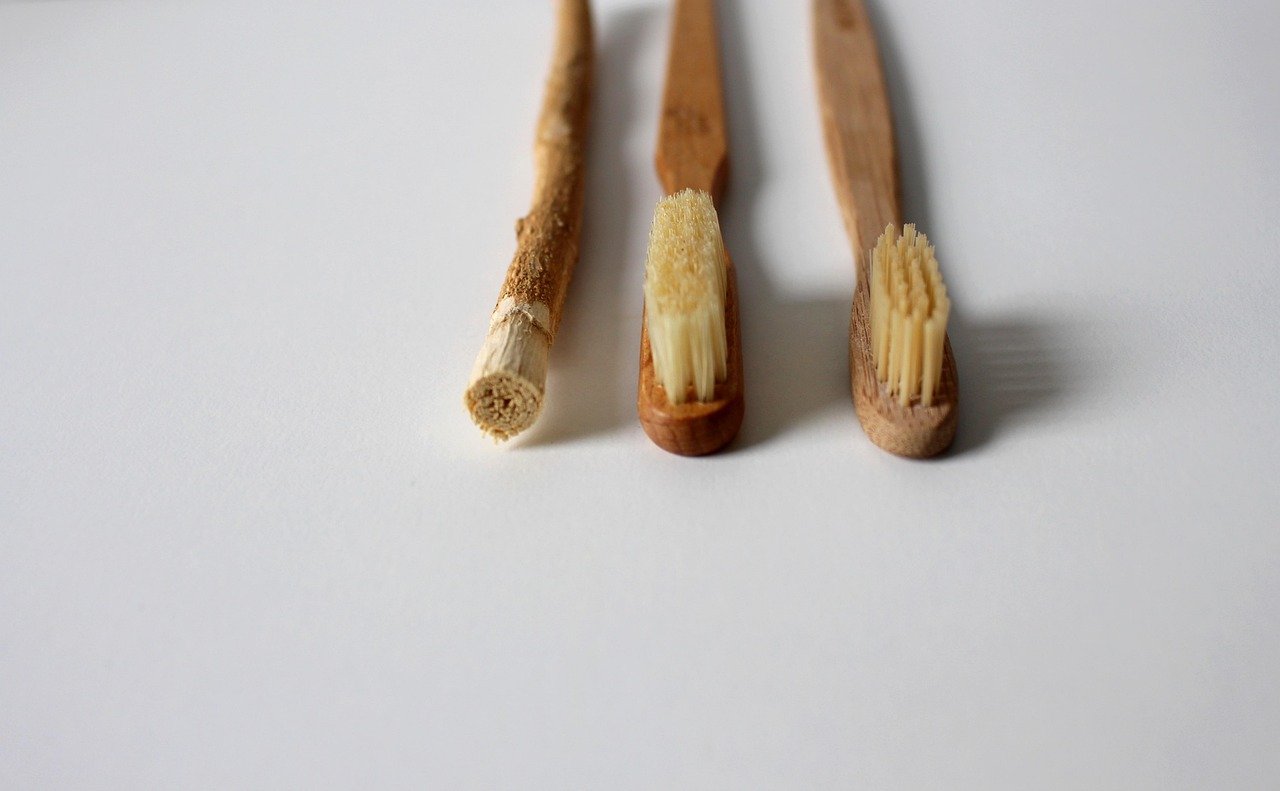
- Manual vs. Electric: Both manual and electric toothbrushes can be effective. Electric toothbrushes often have built-in timers and can provide more consistent cleaning, while manual toothbrushes offer greater control.
- Bristle Softness: Always choose a toothbrush with soft bristles. Hard bristles can damage your enamel and irritate your gums.
- Brush Head Size: Opt for a brush head that allows you to reach all areas of your mouth comfortably.
- Example: The American Dental Association (ADA) recommends choosing a toothbrush that fits your mouth and allows you to reach all teeth easily.
Mastering the Brushing Technique
- Angle: Hold your toothbrush at a 45-degree angle to your gums.
- Motion: Use short, gentle, circular motions, cleaning each tooth individually.
- Duration: Brush for at least two minutes, twice a day. Many electric toothbrushes have a two-minute timer to help you stay on track.
- Coverage: Don’t forget to brush all surfaces of your teeth – the outer surfaces, the inner surfaces, and the chewing surfaces.
- Tongue Cleaning: Gently brush your tongue to remove bacteria and freshen your breath.
Choosing the Right Toothpaste
- Fluoride: Select a toothpaste that contains fluoride. Fluoride strengthens tooth enamel and helps prevent cavities.
- ADA Seal of Acceptance: Look for the ADA Seal of Acceptance on the toothpaste packaging. This indicates that the toothpaste has been evaluated for safety and effectiveness.
- Sensitivity: If you have sensitive teeth, consider using a toothpaste specifically formulated for sensitive teeth.
- Whitening: Whitening toothpastes can help remove surface stains, but they won’t change the natural color of your teeth.
- Example: A fluoride toothpaste with the ADA Seal of Acceptance is a safe and effective choice for most people.
Flossing: Reaching the Places Your Brush Can’t
Flossing is crucial for removing plaque and food particles from between your teeth and along the gumline, areas that your toothbrush can’t reach.
Types of Floss
- Waxed vs. Unwaxed: Waxed floss can be easier to slide between tight teeth, while unwaxed floss may be thinner and better at scraping away plaque.
- Flavored vs. Unflavored: The choice between flavored and unflavored floss is a matter of personal preference.
- Dental Tape: Dental tape is wider and flatter than regular floss, making it a good option for people with wider spaces between their teeth.
- Interdental Brushes: These small brushes are designed to clean between teeth, especially in areas where there are larger gaps.
- Example: Experiment with different types of floss to find one that you find comfortable and easy to use.
Flossing Technique
- Length: Use about 18 inches of floss, winding most of it around your middle fingers.
- Guide: Gently guide the floss between your teeth using a sawing motion.
- Curve: Curve the floss around each tooth in a “C” shape, sliding it gently under the gumline.
- Up and Down: Move the floss up and down against the side of each tooth to remove plaque and debris.
- Fresh Section: Use a fresh section of floss for each tooth to avoid spreading bacteria.
When to Floss
- Floss at least once a day, preferably before brushing.
- Flossing before brushing allows the fluoride in your toothpaste to reach the newly cleaned areas between your teeth.
Rinsing: Adding an Extra Layer of Protection
Mouthwash can provide an additional layer of protection by killing bacteria, freshening breath, and helping to prevent gingivitis.
Types of Mouthwash
- Fluoride Mouthwash: Contains fluoride to help strengthen tooth enamel and prevent cavities.
- Antiseptic Mouthwash: Contains antibacterial ingredients to kill bacteria and reduce plaque and gingivitis.
- Cosmetic Mouthwash: Primarily freshens breath but doesn’t offer significant therapeutic benefits.
- Prescription Mouthwash: Stronger formulations available from your dentist to treat specific oral health conditions.
- Example: For daily use, a fluoride mouthwash is a good choice. If you have gingivitis, your dentist may recommend an antiseptic mouthwash.
How to Use Mouthwash
- Timing: Rinse after brushing and flossing.
- Amount: Use the amount recommended on the mouthwash label (usually about 20 ml).
- Duration: Swish the mouthwash around in your mouth for 30 seconds.
- Do Not Swallow: Spit out the mouthwash after rinsing.
- Avoid Eating or Drinking: Avoid eating or drinking for at least 30 minutes after rinsing.
Regular Dental Check-ups: Partnering with Your Dentist
Regular dental check-ups are an essential part of maintaining good oral health. Your dentist can detect and treat problems early, before they become more serious and expensive.
Importance of Professional Cleanings
- Plaque and Tartar Removal: Your dentist or hygienist can remove plaque and tartar (hardened plaque) that you can’t remove at home.
- Early Detection: Your dentist can detect early signs of tooth decay, gum disease, and other oral health problems.
- Oral Cancer Screening: Your dentist will perform an oral cancer screening to look for any signs of abnormalities.
Frequency of Check-ups
- General Recommendation: Most people should visit the dentist every six months for a check-up and cleaning.
- Individual Needs: Your dentist may recommend more frequent check-ups if you have a history of tooth decay, gum disease, or other oral health problems.
- Example: If you have diabetes or are a smoker, you may need to visit the dentist more frequently.
What to Expect During a Check-up
- Examination: Your dentist will examine your teeth, gums, and mouth for any signs of problems.
- Cleaning: Your hygienist will remove plaque and tartar from your teeth.
- X-rays: Your dentist may take X-rays to check for cavities, bone loss, and other problems that aren’t visible during a visual examination.
- Discussion: Your dentist will discuss your oral health with you and recommend any necessary treatment.
Conclusion
Adopting a comprehensive oral hygiene routine is an investment in your long-term health and well-being. By consistently brushing, flossing, rinsing, and attending regular dental check-ups, you can significantly reduce your risk of developing oral health problems and maintain a healthy, confident smile. Remember to consult with your dentist to personalize your routine and address any specific concerns you may have.