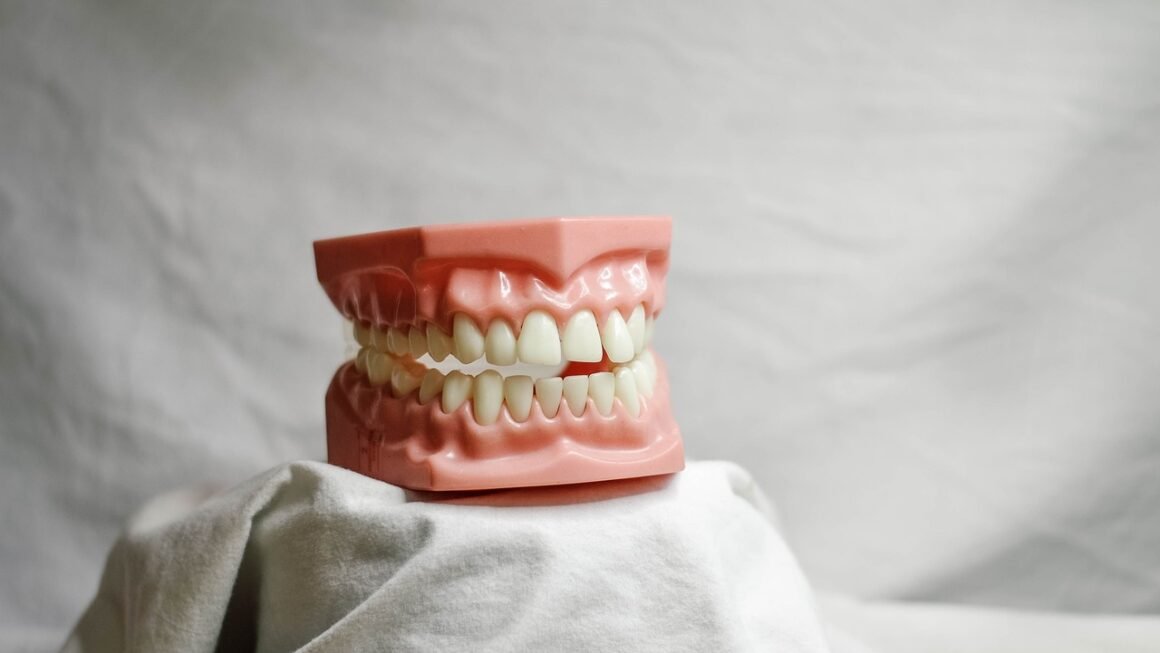
Maintaining excellent dental hygiene is crucial for a healthy and confident smile. It’s more than just brushing; it’s a comprehensive approach to oral care that impacts your overall well-being. This post will guide you through essential dental hygiene tips and practices to help you achieve and maintain optimal oral health.
The Importance of Brushing Techniques
Choosing the Right Brush
Selecting the right toothbrush is the first step to effective cleaning. Opt for a soft-bristled brush to prevent damage to your gums and enamel.
- Electric vs. Manual: Both can be effective. Electric toothbrushes often have built-in timers and pressure sensors, which can improve brushing technique. Consider an electric toothbrush if you struggle with manual dexterity.
- Bristle Type: Always choose soft bristles. Medium and hard bristles can erode enamel and irritate gums.
- Brush Head Size: Select a size that allows you to reach all areas of your mouth comfortably.
Mastering the Brushing Technique
Proper brushing is about technique, not just scrubbing. The American Dental Association recommends brushing for two minutes, twice a day.
- The Bass Technique: This technique is often recommended by dentists. Angle the bristles at a 45-degree angle towards the gumline. Use short, gentle, vibrating motions.
- Coverage: Divide your mouth into quadrants (upper left, upper right, lower left, lower right). Spend 30 seconds on each quadrant.
- Don’t Forget the Tongue: Brush your tongue to remove bacteria and freshen your breath. Use a tongue scraper for even better results.
Practical Tips and Examples
- Set a Timer: Use your phone or an electric toothbrush with a built-in timer to ensure you brush for the full two minutes.
- Replace Your Brush Regularly: Replace your toothbrush (or brush head if using an electric toothbrush) every three months, or sooner if the bristles are frayed.
- Avoid Over-Brushing: Brushing too hard can damage your gums and enamel. Focus on gentle, thorough cleaning.
The Power of Flossing
Why Floss?
Flossing removes plaque and food particles from between your teeth and along the gumline, areas that your toothbrush can’t reach. Neglecting to floss can lead to gum disease and cavities. In fact, according to the American Academy of Periodontology, nearly half of American adults have some form of periodontal disease.
- Reaches the Unreachable: Flossing cleans between teeth, preventing interdental cavities.
- Reduces Gum Disease Risk: Flossing removes plaque that causes gingivitis and periodontitis.
- Improves Breath: By removing trapped food particles, flossing helps prevent bad breath.
Flossing Techniques
Effective flossing involves more than just snapping the floss between your teeth.
- Use the Right Amount of Floss: Break off about 18 inches of floss.
- C-Shape Technique: Gently slide the floss between your teeth and curve it into a “C” shape against one tooth. Move the floss up and down along the side of the tooth and slightly under the gumline. Repeat on the other side of the tooth.
- Be Gentle: Avoid snapping the floss forcefully, as this can injure your gums.
Types of Floss
- Waxed vs. Unwaxed: Waxed floss can be easier to slide between tight teeth. Unwaxed floss can be thinner and may provide better cleaning. Experiment to find what works best for you.
- Floss Picks: These are convenient for on-the-go flossing, but they may not be as effective as traditional floss.
- Interdental Brushes: These small brushes are designed to clean between teeth with larger gaps.
The Role of Mouthwash
Benefits of Mouthwash
Mouthwash can be a beneficial addition to your oral hygiene routine, but it shouldn’t replace brushing and flossing.
- Kills Bacteria: Antimicrobial mouthwashes can help reduce bacteria in the mouth, contributing to fresher breath and reduced risk of gum disease.
- Fluoride Protection: Fluoride mouthwashes can help strengthen tooth enamel and prevent cavities.
- Freshens Breath: Mouthwash can provide a temporary fresh breath sensation.
Choosing the Right Mouthwash
- Antimicrobial Mouthwash: Look for ingredients like chlorhexidine, cetylpyridinium chloride (CPC), or essential oils.
- Fluoride Mouthwash: Choose a fluoride mouthwash to help protect against cavities.
- Alcohol-Free: Alcohol-containing mouthwashes can dry out your mouth, which can actually worsen bad breath. Choose an alcohol-free option.
Practical Usage Tips
- Rinse After Brushing and Flossing: Use mouthwash after brushing and flossing to help remove any remaining debris and bacteria.
- Follow Instructions: Use the correct amount of mouthwash and rinse for the recommended time (usually 30-60 seconds).
- Don’t Swallow: Mouthwash is not meant to be swallowed.
Diet and Hydration for Oral Health
The Impact of Diet
What you eat and drink significantly impacts your oral health.
- Sugar and Acid: Sugary and acidic foods and drinks can erode tooth enamel and contribute to cavities. Limit your intake of soda, candy, and fruit juices.
- Starchy Foods: Starchy foods like bread and pasta can also contribute to plaque formation.
- Nutrient-Rich Foods: A balanced diet rich in vitamins and minerals is essential for healthy teeth and gums.
Hydration is Key
- Water Helps: Drinking water throughout the day helps rinse away food particles and neutralize acids in your mouth.
- Dry Mouth: Dehydration can lead to dry mouth, which increases the risk of cavities and gum disease.
Foods that Promote Oral Health
- Crunchy Fruits and Vegetables: Apples, carrots, and celery can help scrub your teeth as you chew.
- Dairy Products: Cheese and milk are rich in calcium, which strengthens tooth enamel.
- Green Tea: Green tea contains antioxidants that can help protect against gum disease.
Regular Dental Check-ups
The Importance of Professional Cleanings
Even with excellent home care, it’s crucial to visit your dentist regularly for professional cleanings and check-ups. Dental professionals can remove plaque and tartar buildup that you can’t remove at home.
- Early Detection: Regular check-ups allow your dentist to detect early signs of cavities, gum disease, and other oral health problems.
- Professional Cleaning: Professional cleanings remove stubborn plaque and tartar buildup, preventing gum disease and tooth decay.
- Personalized Advice: Your dentist can provide personalized advice on how to improve your oral hygiene routine.
Recommended Frequency
The American Dental Association recommends visiting your dentist every six months for a check-up and cleaning. However, your dentist may recommend more frequent visits if you have certain risk factors, such as gum disease or a history of cavities.
What to Expect During a Check-up
- Examination: Your dentist will examine your teeth and gums for signs of cavities, gum disease, and other oral health problems.
- Cleaning: A dental hygienist will remove plaque and tartar from your teeth.
- X-Rays: X-rays may be taken to detect problems that are not visible to the naked eye, such as cavities between teeth or bone loss.
- Treatment Plan: If any problems are detected, your dentist will develop a treatment plan to address them.
Conclusion
Maintaining excellent dental hygiene is a lifelong commitment that requires consistent effort and the right techniques. By implementing these tips – brushing effectively, flossing daily, using mouthwash appropriately, adopting a healthy diet, and scheduling regular dental check-ups – you can significantly improve your oral health and enjoy a healthy, confident smile for years to come. Remember, prevention is key, and investing in your dental health is an investment in your overall well-being.