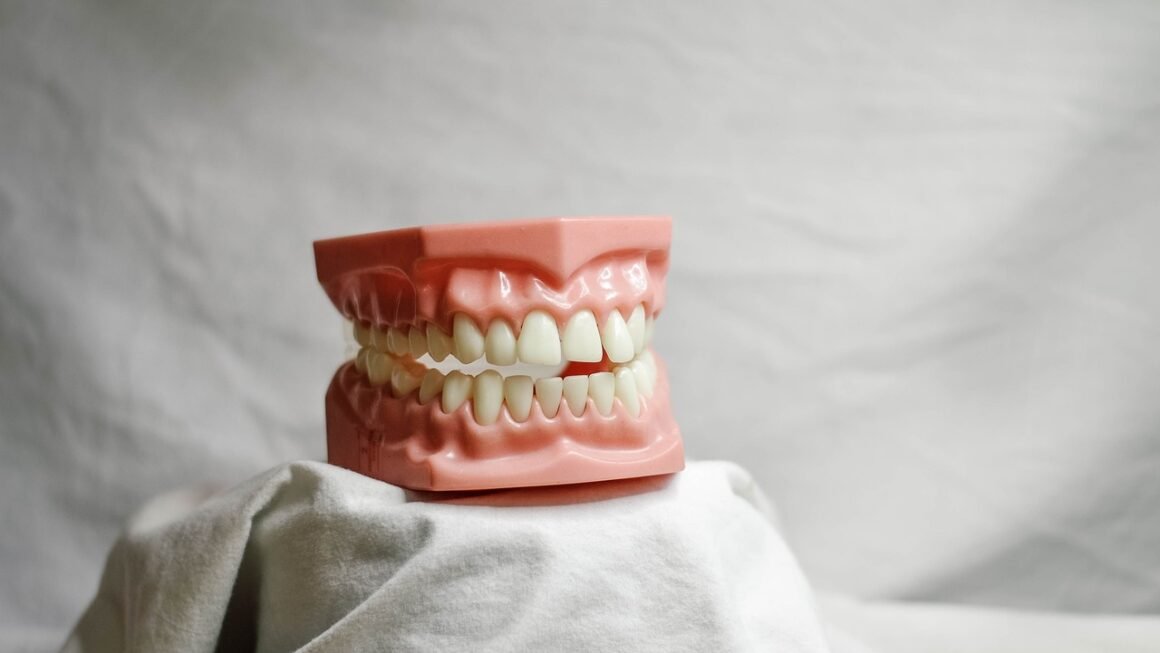
Maintaining a bright, healthy smile requires more than just occasional brushing. It’s a commitment to a comprehensive dental hygiene routine that benefits your overall health and well-being. Understanding the key components of dental hygiene maintenance empowers you to take control of your oral health and prevent costly and uncomfortable dental problems down the road. This guide will provide you with the information and practical tips you need to establish and maintain an effective dental hygiene regimen.
The Foundation: Daily Brushing
Why Brushing Matters
Brushing your teeth is the cornerstone of good oral hygiene. It removes plaque and food particles, preventing the buildup that leads to tooth decay, gum disease, and bad breath. The American Dental Association (ADA) recommends brushing twice a day for two minutes each time.
- Removes Plaque: Plaque is a sticky film of bacteria that constantly forms on your teeth.
- Prevents Tooth Decay: Plaque acids attack tooth enamel, leading to cavities.
- Fights Gum Disease: Plaque buildup inflames gums, causing gingivitis.
- Freshens Breath: Bacteria in plaque produce unpleasant odors.
Choosing the Right Brush and Toothpaste
Selecting the right toothbrush and toothpaste can significantly impact the effectiveness of your brushing routine.
- Toothbrush: Opt for a soft-bristled toothbrush. Hard bristles can damage enamel and irritate gums. Replace your toothbrush every three months, or sooner if the bristles are frayed. Electric toothbrushes can be more effective at removing plaque due to their oscillating or vibrating action. Studies have shown that electric toothbrushes can reduce plaque and gingivitis more effectively than manual brushes.
- Toothpaste: Choose toothpaste with fluoride. Fluoride strengthens tooth enamel and helps prevent cavities. Look for the ADA Seal of Acceptance on toothpaste, which indicates it has been rigorously tested for safety and efficacy.
- Technique: Use a gentle, circular motion to brush all surfaces of each tooth. Pay particular attention to the gumline. Avoid aggressive scrubbing, which can damage enamel and irritate gums.
Brushing Technique: A Step-by-Step Guide
Following a consistent brushing technique ensures you reach all areas of your mouth effectively.
Flossing: Reaching the Spaces Brushing Misses
The Importance of Interdental Cleaning
Flossing is an essential part of dental hygiene because it cleans the spaces between your teeth where your toothbrush can’t reach. This is where plaque and food particles often accumulate, leading to cavities and gum disease. Many dentists claim that about 40% of your tooth surface is only cleaned by flossing.
- Removes Plaque and Food Particles: Cleans between teeth and along the gumline.
- Prevents Cavities: Stops decay from forming in hard-to-reach areas.
- Fights Gum Disease: Reduces inflammation and bleeding gums.
- Maintains Overall Oral Health: Contributes to a healthier mouth.
Types of Floss and How to Use Them
There are various types of floss available, each with its own advantages. Experiment to find the one that works best for you.
- Waxed Floss: Easier to slide between tight teeth.
- Unwaxed Floss: Can be more effective at grabbing plaque.
- Flavored Floss: Adds a pleasant taste to your flossing routine.
- Dental Tape: Wider and flatter, suitable for wider spaces.
- Interdental Brushes: Small brushes that clean between teeth, especially useful for people with braces or larger gaps.
- Water Flossers: Use a stream of water to remove plaque and food particles. These can be a good alternative for people who find traditional flossing difficult.
Proper Flossing Technique
Correct flossing technique is crucial to avoid damaging your gums.
Beyond Brushing and Flossing: Other Important Practices
Tongue Scraping
The tongue can harbor bacteria that contribute to bad breath and other oral health issues. Tongue scraping removes this bacteria, promoting a cleaner and fresher mouth.
- Reduces Bacteria: Removes bacteria from the tongue’s surface.
- Freshens Breath: Eliminates odor-causing bacteria.
- Improves Taste: Allows you to better taste your food.
Mouthwash
Mouthwash can be a valuable addition to your dental hygiene routine. Choose a mouthwash that contains fluoride or antimicrobial agents.
- Fluoride Mouthwash: Helps strengthen tooth enamel and prevent cavities.
- Antimicrobial Mouthwash: Kills bacteria and reduces plaque.
- Cosmetic Mouthwash: Freshens breath but doesn’t necessarily kill bacteria.
Dietary Considerations
What you eat and drink significantly impacts your oral health. Limit sugary and acidic foods and drinks, as they can contribute to tooth decay.
- Limit Sugar: Sugar feeds bacteria that produce acids that attack tooth enamel.
- Avoid Acidic Drinks: Acidic drinks like soda and fruit juice can erode tooth enamel.
- Eat Crunchy Fruits and Vegetables: These stimulate saliva production and help clean teeth.
- Stay Hydrated: Drinking plenty of water helps wash away food particles and bacteria.
Regular Dental Check-ups
Regular dental check-ups are essential for maintaining optimal oral health. Your dentist can identify and treat problems early, before they become more serious and costly. The frequency of check-ups depends on your individual needs, but most people should visit the dentist every six months.
- Professional Cleaning: Removes plaque and tartar that you can’t remove at home.
- Early Detection: Identifies cavities, gum disease, and other oral health problems early.
- Personalized Advice: Provides customized recommendations for your oral hygiene.
- Oral Cancer Screening: Checks for signs of oral cancer.
Specialized Dental Hygiene Needs
Orthodontic Care
If you have braces, maintaining good dental hygiene is even more important. Braces can trap food particles and plaque, increasing the risk of cavities and gum disease.
- Use Special Brushing Techniques: Brush around each bracket and wire, paying attention to hard-to-reach areas.
- Use Interdental Brushes: Clean between teeth and around brackets.
- Floss with a Threader: Use a floss threader to get floss under the wires.
- Consider a Water Flosser: Can be particularly effective at cleaning around braces.
Gum Disease Management
If you have gum disease (gingivitis or periodontitis), you may need more intensive dental hygiene measures.
- Deep Cleaning (Scaling and Root Planing): Removes plaque and tartar below the gumline.
- Antibiotics: May be prescribed to kill bacteria and reduce inflammation.
- More Frequent Dental Visits: Monitor the progression of gum disease and adjust treatment as needed.
Dry Mouth (Xerostomia)
Dry mouth can increase the risk of cavities and gum disease because saliva helps neutralize acids and wash away food particles.
- Drink Plenty of Water: Stay hydrated to stimulate saliva production.
- Use Saliva Substitutes: Over-the-counter products that mimic the properties of saliva.
- Chew Sugar-Free Gum: Stimulates saliva production.
- Avoid Alcohol and Caffeine: These can dehydrate you and worsen dry mouth.
Conclusion
Effective dental hygiene maintenance is an investment in your overall health and well-being. By following these guidelines, including brushing twice daily, flossing regularly, and visiting your dentist for routine check-ups, you can protect your teeth and gums and enjoy a healthy, confident smile for years to come. Make dental hygiene a priority and reap the rewards of a healthy mouth and a brighter future.