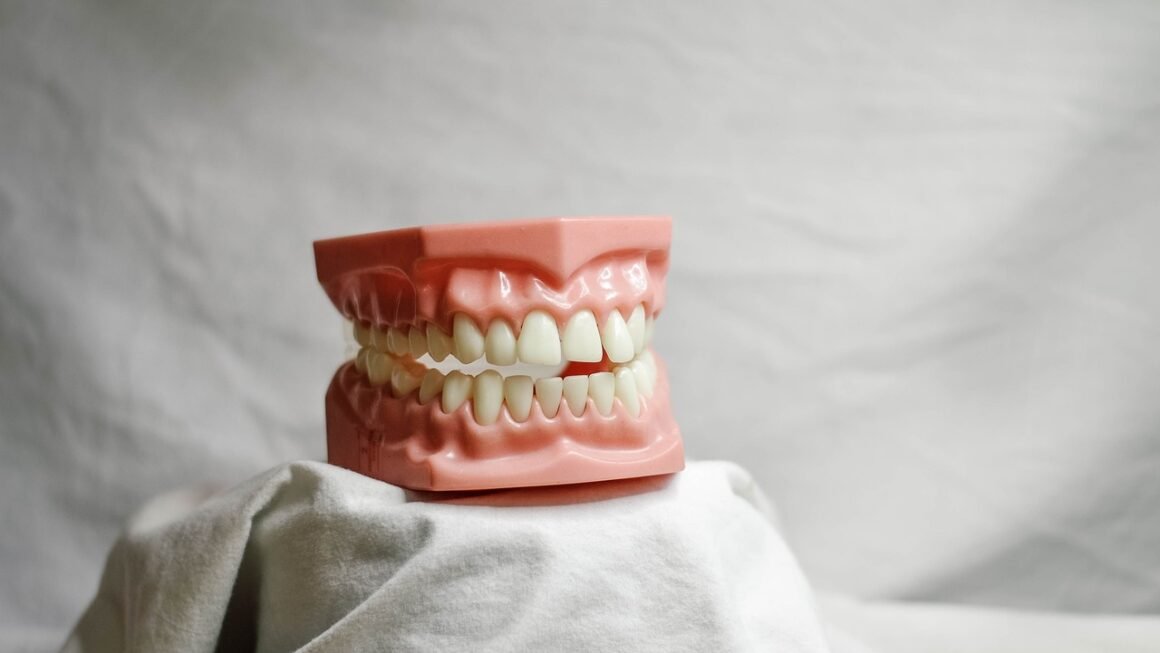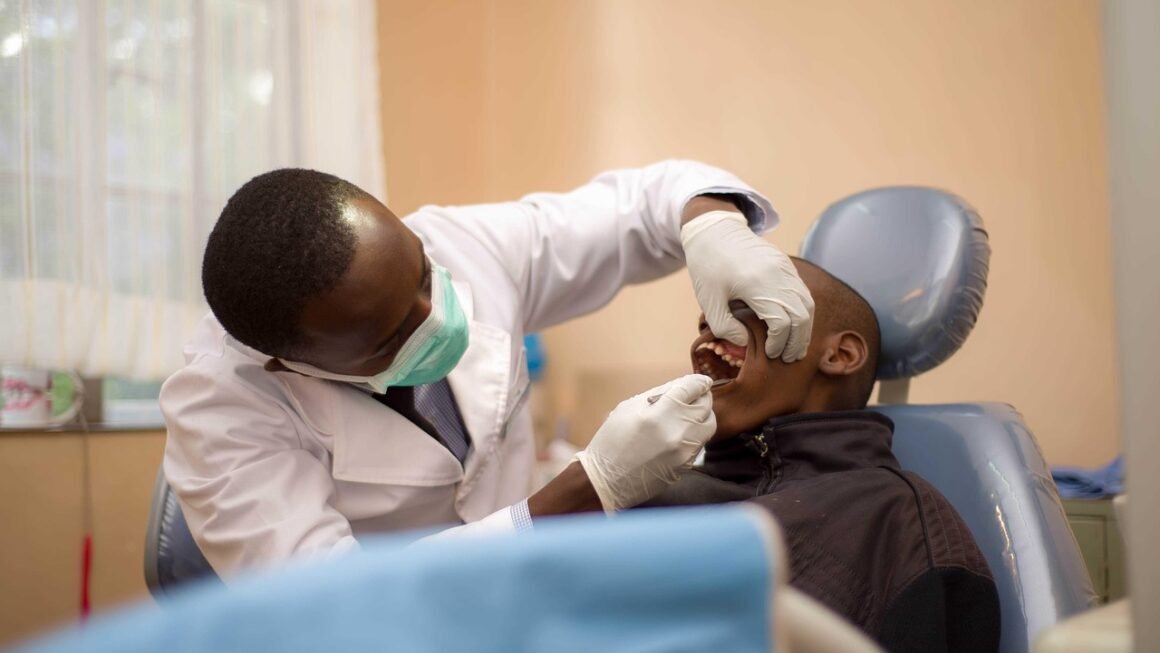
A bright, healthy smile is more than just aesthetically pleasing; it’s a window into your overall well-being. Regular dental cleanings are a cornerstone of preventative dental care, playing a crucial role in maintaining optimal oral health and preventing serious dental issues down the road. But what exactly does a dental cleaning involve, and why is it so important? This guide will provide a comprehensive overview of dental cleanings, equipping you with the knowledge you need to take the best possible care of your smile.
What is a Dental Cleaning?
The Purpose of a Dental Cleaning
A dental cleaning, also known as prophylaxis, is a professional procedure performed by a dentist or dental hygienist to remove plaque and tartar buildup from your teeth. Even with diligent brushing and flossing at home, some areas of the mouth are difficult to reach, allowing plaque to harden into tartar (also known as calculus). Tartar cannot be removed with regular brushing and requires professional tools and expertise. The primary goals of a dental cleaning are:
- Removing plaque and tartar buildup above and below the gum line.
- Polishing teeth to remove stains and smooth surfaces, making it harder for plaque to adhere.
- Identifying potential dental problems early on, such as cavities, gum disease, or other oral health issues.
What Happens During a Typical Dental Cleaning Appointment?
A typical dental cleaning appointment usually takes between 30 minutes to an hour, depending on the condition of your teeth and gums. The process generally involves these steps:
Why Are Regular Dental Cleanings Important?
Preventing Gum Disease
Gum disease (periodontal disease) is a common infection of the gums that can lead to serious health problems if left untreated. Regular dental cleanings are crucial for preventing gum disease by removing plaque and tartar, which are the primary causes of gum inflammation and infection. Studies show that approximately 47.2% of adults aged 30 years and older have some form of periodontal disease, highlighting the widespread need for preventative dental care.
- Reduces inflammation: Removing plaque and tartar reduces inflammation in the gums, preventing gingivitis (the early stage of gum disease).
- Prevents bone loss: Untreated gum disease can lead to bone loss around the teeth, eventually causing tooth loss. Regular cleanings help prevent this.
- Lowers risk of other health problems: Research suggests a link between gum disease and other systemic health conditions, such as heart disease, diabetes, and respiratory infections.
Detecting Dental Problems Early
Dental cleanings provide an opportunity for your dentist to detect potential problems early on when they are easier and less expensive to treat. Early detection can prevent minor issues from escalating into more serious and costly procedures.
- Cavity detection: The dentist can identify early signs of tooth decay, allowing for prompt treatment with fillings.
- Oral cancer screening: During the examination, the dentist will check for any signs of oral cancer or other abnormalities in the mouth.
- Identification of other issues: The dentist can also identify other issues such as bruxism (teeth grinding), temporomandibular joint (TMJ) disorders, and other oral health concerns.
Maintaining a Healthy Smile and Fresh Breath
Beyond preventing disease, dental cleanings also contribute to a brighter, healthier smile and fresher breath. Polishing removes surface stains, revealing a more vibrant smile. Removing plaque and tartar, which harbor bacteria that cause bad breath, helps to improve breath and boost confidence.
- Removes stains: Polishing removes stains caused by coffee, tea, tobacco, and other substances.
- Freshens breath: Removing bacteria and food debris helps to eliminate bad breath.
- Boosts confidence: A clean, healthy smile can improve your overall appearance and boost your self-esteem.
How Often Should You Get a Dental Cleaning?
General Recommendations
The general recommendation is to get a dental cleaning every six months. However, the frequency of your dental cleanings may vary depending on your individual needs and risk factors.
- High-risk individuals: People with a history of gum disease, diabetes, or other health conditions that increase their risk of oral health problems may need to get cleanings more frequently (e.g., every three to four months).
- Good oral hygiene: Individuals with excellent oral hygiene and no history of dental problems may be able to get away with cleanings every six months.
- Consult your dentist: The best way to determine the appropriate frequency of your dental cleanings is to consult with your dentist, who can assess your individual needs and make personalized recommendations.
Factors Influencing Cleaning Frequency
Several factors can influence how often you should get a dental cleaning, including:
- Gum disease: Active gum disease requires more frequent cleanings to control the infection and prevent further damage.
- Dry mouth: Saliva helps to wash away food debris and neutralize acids in the mouth. People with dry mouth are more prone to plaque buildup and may need more frequent cleanings.
- Smoking: Smoking increases the risk of gum disease and oral cancer, so smokers typically require more frequent dental cleanings.
- Certain medications: Some medications can cause dry mouth or other side effects that increase the risk of oral health problems, necessitating more frequent cleanings.
- Orthodontic treatment: Braces and other orthodontic appliances can make it difficult to clean teeth effectively, so individuals undergoing orthodontic treatment may need more frequent cleanings.
What to Expect After a Dental Cleaning
Immediate Aftercare
After a dental cleaning, you may experience some mild sensitivity to hot or cold temperatures, especially if you have receding gums or exposed tooth roots. This sensitivity is usually temporary and should subside within a few days.
- Gentle brushing: Brush your teeth gently with a soft-bristled toothbrush.
- Avoid harsh foods: Avoid eating hard, crunchy, or sticky foods that could irritate your gums.
- Use fluoride toothpaste: Continue using fluoride toothpaste to strengthen your tooth enamel.
Long-Term Maintenance
Maintaining good oral hygiene habits is essential for prolonging the benefits of your dental cleaning and preventing future problems.
- Brush twice daily: Brush your teeth for two minutes at least twice a day with fluoride toothpaste.
- Floss daily: Floss between your teeth once a day to remove plaque and food debris.
- Use mouthwash: Consider using an antimicrobial mouthwash to kill bacteria and freshen your breath.
- Limit sugary foods and drinks: Sugar contributes to plaque buildup and tooth decay, so limit your intake of sugary foods and drinks.
- See your dentist regularly: Continue to see your dentist for regular checkups and cleanings to maintain optimal oral health.
Conclusion
Regular dental cleanings are an essential component of comprehensive oral health care. By removing plaque and tartar, preventing gum disease, and detecting dental problems early, cleanings help you maintain a healthy, beautiful smile for years to come. Don’t wait until you have a problem; schedule your next dental cleaning today and invest in your long-term oral health. Remember to consult with your dentist to determine the appropriate cleaning frequency for your individual needs and risk factors. Your smile will thank you for it!