A bright, healthy smile isn’t just aesthetically pleasing; it’s a cornerstone of overall well-being. Regular dental visits play a critical role in maintaining that smile and preventing serious health issues. From routine cleanings to comprehensive examinations, understanding the importance of dental care can empower you to take proactive steps toward a healthier future. This article will delve into the multifaceted benefits of consistent dental visits, what to expect during an appointment, and how to choose the right dental professional for your needs.
Why Regular Dental Visits are Crucial
Preventing Tooth Decay and Gum Disease
One of the primary reasons for regular dental visits is to prevent tooth decay (cavities) and gum disease (gingivitis and periodontitis). These conditions, if left untreated, can lead to tooth loss, bone damage, and even systemic health problems. Dentists and dental hygienists are trained to identify early signs of these diseases.
- Plaque and Tartar Removal: Professional cleaning removes plaque and tartar buildup, which are major contributors to decay and gum disease. Brushing and flossing at home are essential, but they can’t remove hardened tartar.
- Fluoride Treatments: Fluoride strengthens tooth enamel, making it more resistant to acid attacks from bacteria. Dentists can apply fluoride varnish or prescribe fluoride toothpaste.
- Early Detection: Dentists can detect early signs of decay, such as white spots on teeth, before they become larger cavities requiring fillings. Early detection allows for minimally invasive treatments.
For example, a dentist might notice slight inflammation in your gums during a routine checkup. This could be an early sign of gingivitis. By recommending improved oral hygiene practices, such as more diligent flossing, the dentist can help reverse the condition before it progresses to periodontitis, a more severe form of gum disease that can lead to tooth loss.
Detecting Oral Cancer
Oral cancer, while often overlooked, is a serious disease. Early detection is crucial for successful treatment. Dental visits include screenings for oral cancer, which can significantly improve a patient’s prognosis.
- Visual Examination: Dentists examine the soft tissues of the mouth, including the tongue, cheeks, and gums, for any abnormal lesions, sores, or lumps.
- Palpation: They may also palpate (feel) the neck and jaw for any swollen lymph nodes, which can indicate infection or cancer.
- Advanced Screening Tools: Some dental offices use advanced technologies, such as VELscope, to detect oral cancer at its earliest stages, even before it is visible to the naked eye.
Imagine a patient who is a smoker. They visit their dentist regularly, and the dentist, during a routine oral cancer screening, notices a small, painless ulcer on the side of the tongue. A biopsy confirms it is early-stage oral cancer. Because it was caught early, the patient has a much higher chance of successful treatment and recovery.
Identifying Other Health Issues
The mouth can be a window to the body’s overall health. Dentists can often identify signs of other health problems during a routine dental examination.
- Diabetes: Poorly controlled diabetes can lead to increased risk of gum disease, dry mouth, and fungal infections in the mouth.
- Heart Disease: Research suggests a link between gum disease and heart disease. Inflammation in the gums may contribute to inflammation in the arteries.
- Osteoporosis: Bone loss in the jaw can be an indicator of osteoporosis.
- Eating Disorders: Dental erosion, caused by frequent vomiting, can be a sign of bulimia or other eating disorders.
For example, a patient might complain of dry mouth and frequent mouth sores. A dentist, upon examination, notices signs consistent with Sjögren’s syndrome, an autoimmune disorder that affects moisture-producing glands. The dentist can then refer the patient to a specialist for further evaluation and treatment.
Maintaining Good Oral Hygiene
Dental visits are not just about treatment; they’re also about education. Dentists and hygienists provide personalized advice on how to improve your oral hygiene at home.
- Brushing Techniques: They can demonstrate proper brushing techniques, ensuring you’re effectively cleaning all surfaces of your teeth.
- Flossing Instructions: They can provide instructions on how to floss correctly, reaching between your teeth and under your gumline to remove plaque and food particles.
- Product Recommendations: They can recommend specific toothpastes, mouthwashes, and other oral hygiene products based on your individual needs. For instance, they might recommend a toothpaste for sensitive teeth or a mouthwash to combat dry mouth.
- Lifestyle Advice: They can offer advice on diet and lifestyle choices that affect your oral health, such as limiting sugary drinks and snacks.
What to Expect During a Dental Visit
The Examination
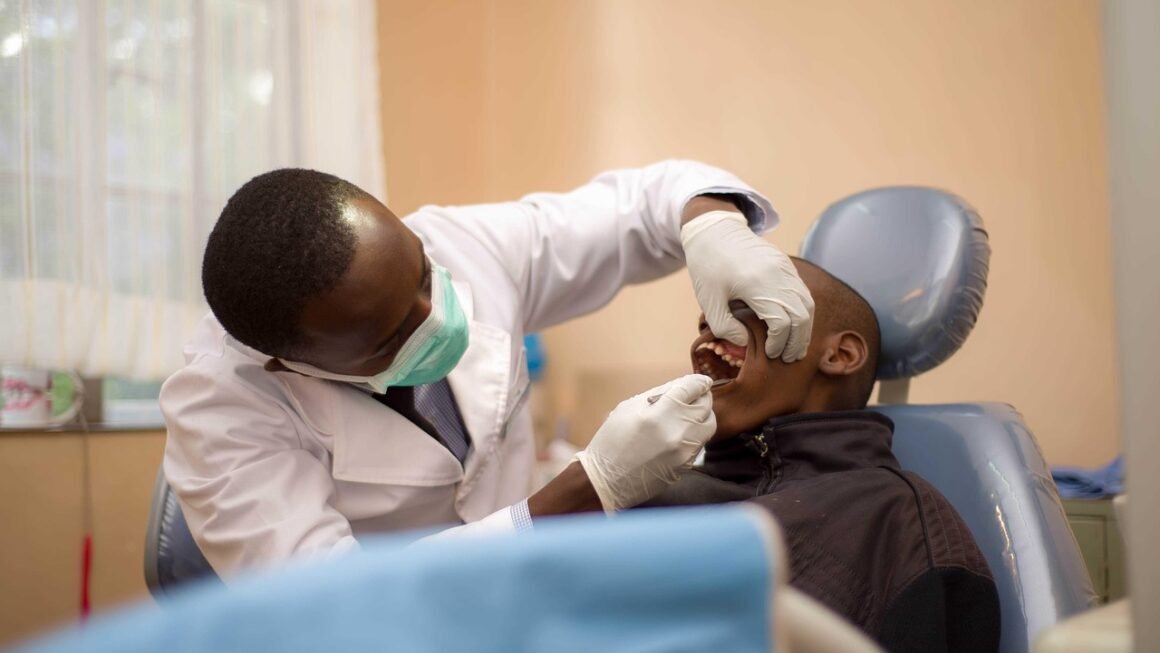
A typical dental visit includes a thorough examination of your teeth, gums, and mouth. The dentist will use dental instruments to check for cavities, gum disease, and other abnormalities.
- Visual Inspection: The dentist will visually inspect your teeth for signs of decay, cracks, or other damage.
- Probing: They will use a probe to check for pockets between your teeth and gums, which can indicate gum disease.
- X-rays: X-rays may be taken to detect cavities between teeth, bone loss, and other problems that are not visible during a visual examination.
For example, during the probing, the dentist might find a pocket depth of 5mm in one area. This indicates moderate gum disease and requires further treatment, such as scaling and root planing.
The Cleaning
A professional cleaning is a crucial part of every dental visit. The dental hygienist will use specialized instruments to remove plaque and tartar from your teeth.
- Scaling: This involves removing plaque and tartar from the surface of your teeth and under the gumline.
- Polishing: Polishing smooths the surfaces of your teeth, making it harder for plaque to adhere.
- Fluoride Treatment: A fluoride treatment may be applied to strengthen your tooth enamel.
Some patients experience sensitivity during cleaning, especially if they have gum recession. Let your hygienist know if you feel any discomfort; they can adjust their technique or use desensitizing agents.
Discussion and Treatment Plan
After the examination and cleaning, the dentist will discuss their findings with you and develop a treatment plan, if necessary.
- Review of Findings: The dentist will explain any problems they found, such as cavities, gum disease, or other abnormalities.
- Treatment Options: They will discuss the available treatment options, including the benefits and risks of each.
- Treatment Plan: They will create a customized treatment plan based on your individual needs and preferences.
- Cost Estimates: The dental office will provide you with an estimate of the cost of treatment and discuss payment options.
For example, if the dentist discovers a cavity, they will explain the different types of fillings available, such as composite (tooth-colored) or amalgam (silver). They will discuss the pros and cons of each and help you choose the best option for your situation.
Choosing the Right Dentist
Credentials and Experience
When choosing a dentist, it’s important to consider their credentials and experience. Look for a dentist who is licensed and has a good reputation.
- Education and Training: Make sure the dentist graduated from an accredited dental school.
- Licensing: Verify that the dentist is licensed to practice in your state.
- Continuing Education: Look for a dentist who stays up-to-date on the latest advances in dentistry through continuing education courses.
- Experience: Consider the dentist’s experience, especially if you have specific dental needs, such as implants or cosmetic dentistry.
Office Environment and Technology
The office environment and technology can also be important factors to consider. A comfortable and modern office can make your dental visits more pleasant.
- Cleanliness and Comfort: The office should be clean, well-maintained, and comfortable.
- Technology: Look for a dentist who uses modern technology, such as digital X-rays and intraoral cameras. These technologies can improve the accuracy of diagnosis and treatment.
- Sterilization Procedures: Ensure the office follows strict sterilization procedures to prevent the spread of infection.
Communication and Personality
Good communication and a comfortable personality are essential for building a strong dentist-patient relationship. You should feel comfortable asking questions and discussing your concerns with your dentist.
- Communication Skills: The dentist should be able to explain complex dental procedures in a clear and understandable way.
- Listening Skills: They should listen to your concerns and answer your questions thoroughly.
- Empathy: They should be empathetic and understanding of your anxieties or fears about dental treatment.
Conclusion
Regular dental visits are a vital investment in your overall health and well-being. By preventing tooth decay and gum disease, detecting oral cancer early, identifying other health issues, and maintaining good oral hygiene, you can enjoy a healthy smile and a healthier life. Choose a dentist who is qualified, experienced, and with whom you feel comfortable, and make regular dental visits a priority.